

Cyprus celebrates! Commandaria – one of the oldest named wines in the world – is now officially UNESCO Intangible Cultural Heritage. A proud moment for the island’s 14 Commandaria villages and centuries-old winemaking tradition
Tag: Intangible Cultural Heritage
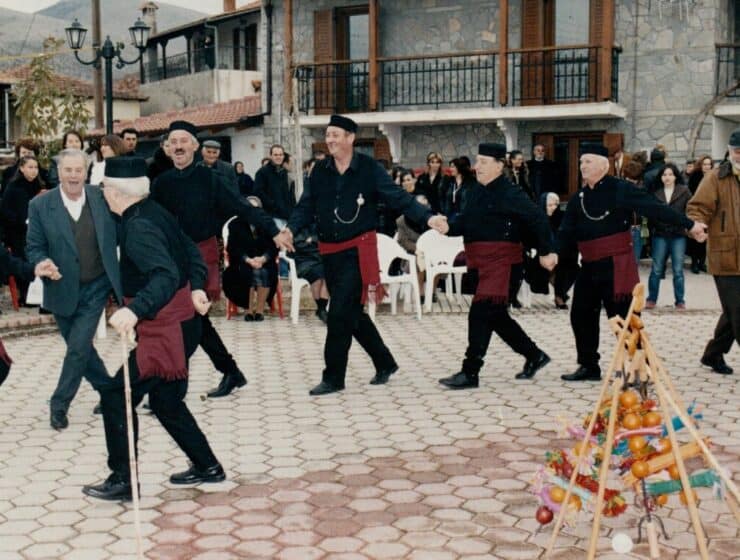
Greece has enriched its National Inventory of Intangible Cultural Heritage with 11 new elements, as announced by the Ministry of Culture, aligning with UNESCO’s 2003 Convention. From the festive bonfires of Kedara in Imathia to the intricate Tsakonika kilim weaving in Arcadia and the vibrant Mpampindent festival in Drama, these traditions highlight the diverse cultural fabric of Greek communities. Culture Minister Lina Mendoni emphasized their role in preserving collective memory and fostering intergenerational exchange, ensuring Greece’s living heritage thrives.

Greece and Italy strengthen cultural ties with the return of 145 ancient Greek coins and new joint initiatives, including exhibitions and festivals, celebrating Greco-Roman heritage.

In Cyprus, ancient verse duels known as *tsiattista* are making a vibrant comeback. Performed to the tune of fiddles and lutes, these fast-paced rhyme battles echo modern rap showdowns but are rooted in centuries-old Greek poetic tradition. At the heart of the revival are performers like Adamos Peratikos and Konstantinos Christou Grilias, who spar on seaside stages not for fame—but to keep their cultural heritage alive.

Greece has added four traditions—Ai-Soulas Festival, Bibila Needle Lace, Katrami Production, and Latin Sail—to its Intangible Cultural Heritage Index, preserving vibrant community practices for future generations.

The Messosporitissa Festivity, celebrated at ancient ruins in Greece, has been recognized as an Intangible Cultural Heritage by UNESCO. This event, observed on November 21, is a significant part of Greek Orthodox Christianity, focusing on community, agriculture, and nature. The ritual involves the blessing of wheat, olive oil, and wine, and serves to reinforce community ties while highlighting the importance of respecting the natural world.
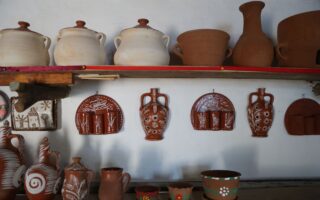
On the picturesque Greek island of Lesbos, 70-year-old master potter Dimitris Kouvdis keeps an ancient pottery tradition alive, using local clay and a traditional olive-pit-fueled kiln. His unique, lime-painted pottery, recently recognized by UNESCO, is a testament to a fading art form and a potter’s enduring passion.

On the Greek island of Lesbos, 70-year-old Nikos Kouvdis keeps an ancient pottery tradition alive, crafting pieces from local clay and firing them in a kiln fuelled by olive pits. Recognised by UNESCO as part of Greece’s Intangible Cultural Heritage, his work stands as a testament to timeless craftsmanship in a world increasingly dominated by modern machinery.
