
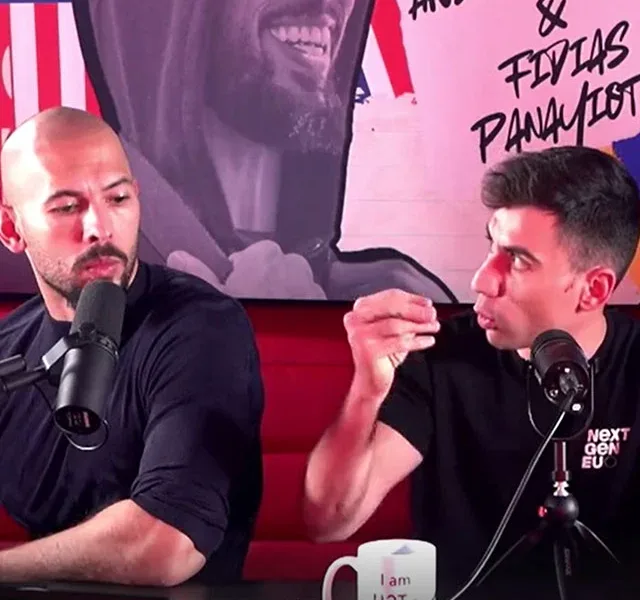
In a recent podcast appearance, Cypriot MEP Fidias Panayiotou sparked significant controversy by describing the occupied territories of Ukraine as "Russian." This statement, made during a discussion with the contentious influencers Andrew and Tristan Tate, has drawn criticism and raised eyebrows across Europe.
Panayiotou traveled to Bucharest to meet the Tate brothers, who have currently settled in Romania amid legal issues in the UK. The podcast featured a discussion that many have labeled as an anti-European diatribe, where the participants criticized the European Union and its institutions.
Throughout the conversation, Panayiotou expressed skepticism about the EU's complex structure and decision-making processes, suggesting that even Europeans themselves are indifferent towards the EU. He also questioned the genuineness of democracy within the union, describing it as a mere illusion.
A particularly contentious moment in the podcast arose when the discussion turned to Ukraine. Panayiotou agreed with the Tate brothers' claims of Western misinformation, expressing surprise at learning about alleged discrimination against Romanians in certain Ukrainian villages. He further suggested holding referendums in occupied areas to let citizens decide between aligning with Russia or Ukraine, a statement that resonated with the pro-Russian rhetoric often criticized by EU officials.
The conversation raised further concerns when Panayiotou failed to address the Russian invasion and occupation of Ukrainian territories. His language echoed support for Russian narratives, including claims of oppression against Russian-speaking populations in Ukraine.
The podcast also touched upon broader geopolitical issues, with the participants criticizing military aid to Ukraine and questioning the EU's motives. Panayiotou claimed that many MEPs share his views on halting military assistance but feel pressured to vote along party lines.
This discussion, particularly Panayiotou's comments, has drawn criticism due to the parallels with Cyprus's own issues regarding Turkish-occupied territories. Observers have noted that labeling territories under de-facto occupation aligns with the very narratives that undermine international law and sovereignty.
The podcast and its controversial content continue to circulate online, prompting debates about the responsibilities of public figures and the potential implications of such discussions on international relations and public perception of ongoing global conflicts.
Stay updated with the latest news from Greece and around the world on greekcitytimes.com.
Contact our newsroom to share your updates, stories, photos, or videos. Follow GCT on Google News and Apple News.
