
Manolis Bikakis, born in 1954 in Asi Gonia, Crete, between Chania and Rethymnon, is a towering figure in modern Hellenic history, often called the "Greek Rambo."
His extraordinary bravery during the 1974 Turkish invasion of Cyprus remains a testament to his heroism, though his story is not widely known.
On July 20, 1974, as Turkey launched its invasion, Greece, under a CIA-installed military dictatorship, offered minimal support to Cyprus. Bikakis, then a 20-year-old serving in the 1st Parachute Squadron in Maleme, was among the few Greek commandos deployed to defend the island.
As their planes approached Nicosia airport, flying low at two to three meters above the sea, they were mistakenly fired upon by Cypriot Greeks, who thought they were Turkish aircraft. One plane was shot down, killing all aboard except Thanasis Zafiriou, who survived with severe injuries. In the chaos, Bikakis was separated from his unit, presumed dead by his comrades.
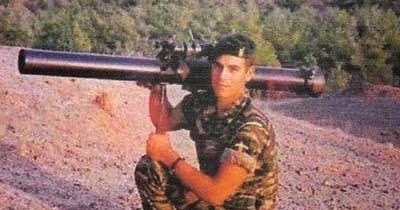
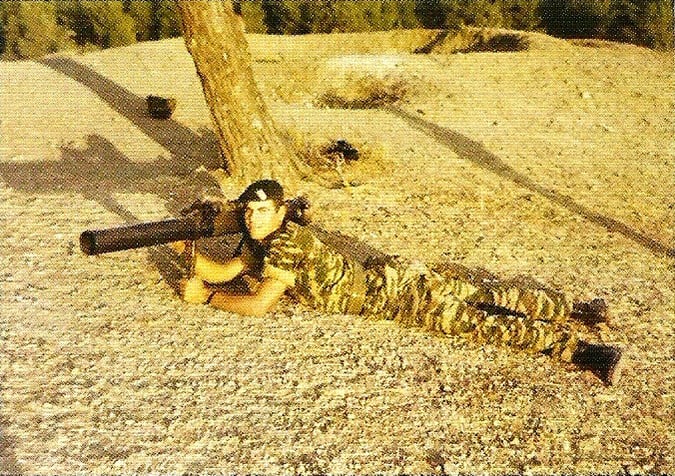
Alone on a hill west of Nicosia in Agios Dometios, armed only with a PAO (Non-Reversible Cannon) and eight missiles, Bikakis refused to abandon his position. He knew that if the Turks captured the hill, Nicosia airport would fall, leading to a siege of the city. His first missile destroyed a Turkish tank, forcing its crew to flee. Anticipating retaliation, he swiftly changed positions, carrying the heavy PAO and remaining missiles.
From his new vantage point, Bikakis destroyed a second tank, killing its crew. As the Turks became disoriented, he targeted and obliterated two more tanks in quick succession. He continued, destroying a fourth, fifth, and sixth tank, leaving him with just two missiles. Spotting Turkish soldiers taking cover in a building, he fired his final missiles, striking the structure and decimating the infantry battalion inside. The exact number of casualties remains unknown, but his actions single-handedly thwarted a Turkish advance that could have encircled Nicosia and cut off the airport.
For four days, Bikakis survived alone in the summer heat, armed only with a machine gun he found, searching for other commandos. Eventually, he located a building with a telephone and contacted his superiors:
- "Forward, Commander, Commander Bikakis."
- "Where are you, my child? Are you alive? What happened to you? Are you well?"
- "I am well, Commander, I am in the FORD delegation."
- "Wait, I’m sending a vehicle to pick you up. Your eyes are fourteen. You are in a danger zone."
- "Commander, I have not eaten in four days, send food together, and I have no water at all."
Tragically, Bikakis died in a car accident on October 22, 1994, on the GR-8A road between Corinth and Patras. It was not until 2015, over 40 years after his heroic stand and 21 years after his death, that he was posthumously honored.
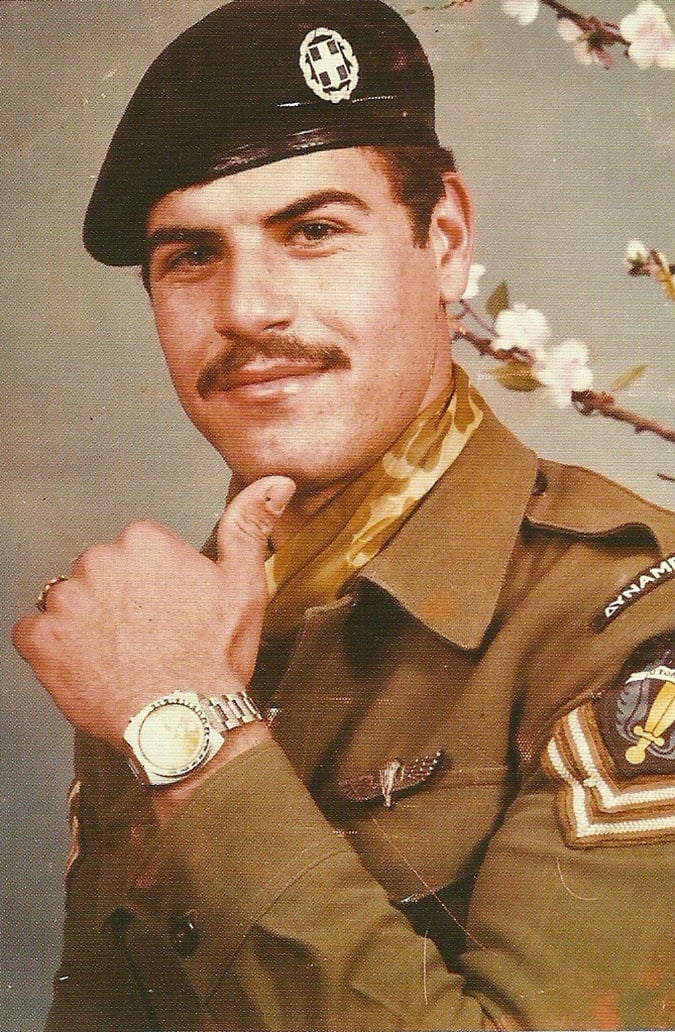
Reunited with his unit, Bikakis returned to Greece after the invasion. Despite his commander’s petition for recognition, the Greek state never awarded him a medal during his lifetime. He lived quietly, working as a builder in Crete, raising a family without seeking fame or honors.
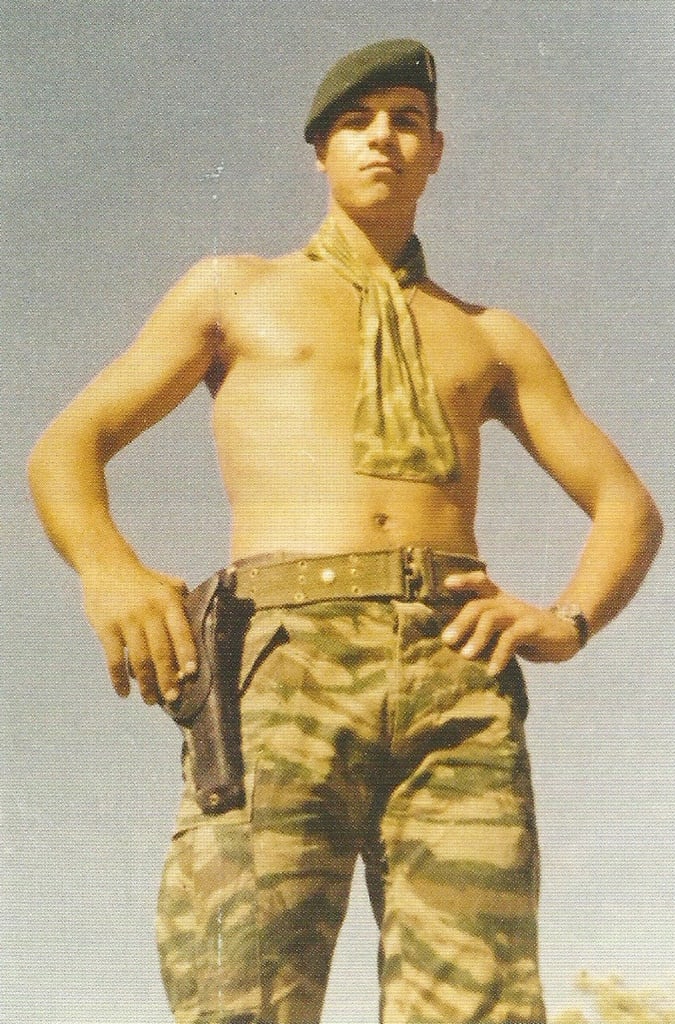
Manolis Bikakis’ courage and selflessness cement his place among the greatest heroes of Hellenism, a true "Greek Rambo" whose legacy endures.
Stay updated with the latest news from Greece and around the world on greekcitytimes.com.
Contact our newsroom to share your updates, stories, photos, or videos. Follow GCT on Google News and Apple News.
