

Greece, Spain, Croatia, and Austria are among the countries struggling with overtourism, but a recent study has revealed a surprising leader: the Greek island of Zakynthos.
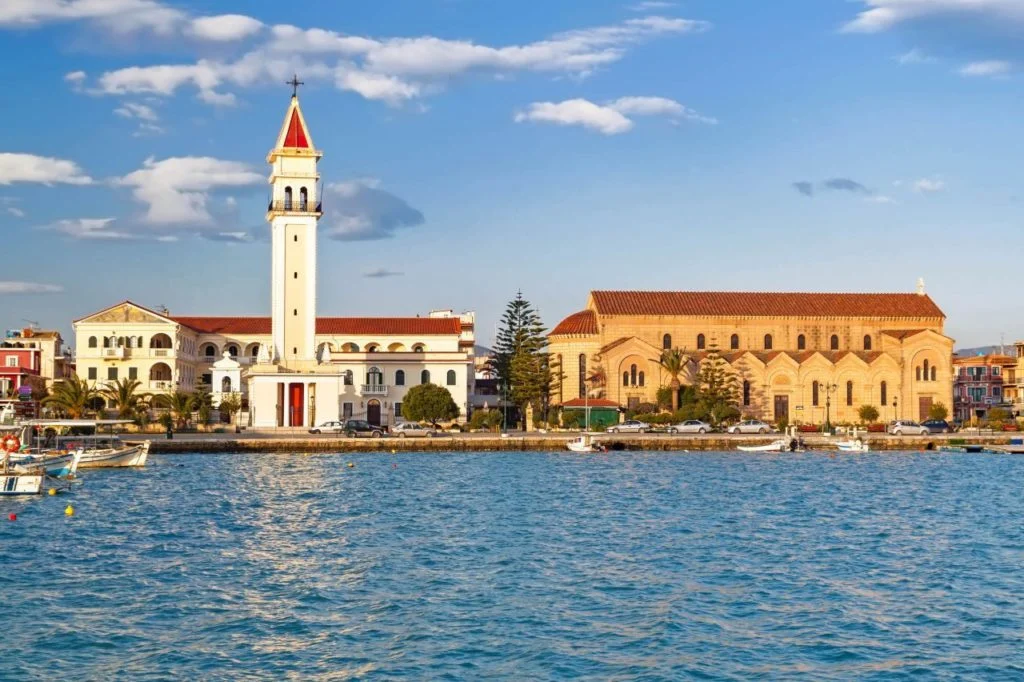
Known for its pristine beaches, dramatic cliffs, and buzzing nightlife, Zakynthos now holds the top spot on Europe’s list of most overcrowded destinations—outpacing even Santorini and Mykonos.
Overtourism on the Rise Across Europe
Over the past decade, overtourism has become a major concern as popular destinations struggle to cope with surging visitor numbers. While tourism boosts local economies, the downsides—such as traffic congestion, environmental strain, soaring prices, and frustration among residents—are becoming increasingly difficult to ignore.
In some hotspots, tensions have boiled over into protests, with locals even resorting to creative tactics, such as using water pistols, to discourage disruptive tourist behavior. For many visitors seeking a peaceful escape, the reality of long queues, overcrowded beaches, and noisy nightlife can turn dream holidays into disappointments.
Zakynthos: Europe’s Most Overcrowded Island
The study compared visitor numbers against local populations across European destinations. In Zakynthos, the contrast is staggering.
- 2023 arrivals: 6 million overnight visitors
- Local population: 40,000 residents
- Ratio: Tourists outnumber locals by 150 to 1
This enormous influx places a significant burden on the island’s infrastructure and resources, raising concerns about its long-term sustainability.
Other European Hotspots Under Pressure
Zakynthos isn’t alone. Several other regions across Europe are also buckling under the weight of mass tourism:
- Istarska Zupanija, Croatia – Famous for its beaches and medieval towns, but now one of the most overcrowded coastal regions.
- Fuerteventura, Canary Islands – Year-round sunshine and sandy beaches attract millions, overwhelming local facilities.
- Lanzarote, Canary Islands – Known for volcanic landscapes, but the tourist surge is straining its environment and communities.
- Dodecanese Islands, Greece – Including Rhodes, Kos, and Kalymnos, these islands face annual waves of mass tourism.
- Tiroler Oberland, Austria – A skiing and hiking haven now overrun during peak seasons.
- Pinzgau-Pongau, Austria – Scenic alpine villages struggling with growing tourist demand.
- Cycladic Islands, Greece – Mykonos, Santorini, and Naxos continue to experience overwhelming summer crowds.
- Corfu (Kerkyra), Greece – Rising visitor numbers are impacting its cultural sites and beaches.
- Außerfern, Austria – Once a quiet alpine region, now feeling the strain of mass tourism.
A Call for Sustainable Tourism
The findings highlight a broader challenge: Europe’s most iconic destinations risk losing their appeal if overtourism continues unchecked. For travelers, this means reconsidering where—and when—they travel. For local authorities, it highlights the need to manage visitor flows more effectively.
Solutions such as promoting lesser-known destinations, implementing visitor caps, and investing in sustainable infrastructure are increasingly being discussed. Without such measures, the charm and authenticity of Europe’s most beloved spots may be at risk.
The Bottom Line
While Santorini and Mykonos often dominate conversations about Greek tourism, it is Zakynthos that now epitomizes the challenges of overtourism. Along with hotspots in Spain, Croatia, and Austria, it stands as a reminder that sustainable travel is no longer optional—it’s essential for the future of both tourism and the communities that host it.
Read about the Top 5 Diving Destinations in Greece
Stay updated with the latest news from Greece and around the world on greekcitytimes.com.
Contact our newsroom to share your updates, stories, photos, or videos. Follow GCT on Google News and Apple News.
