
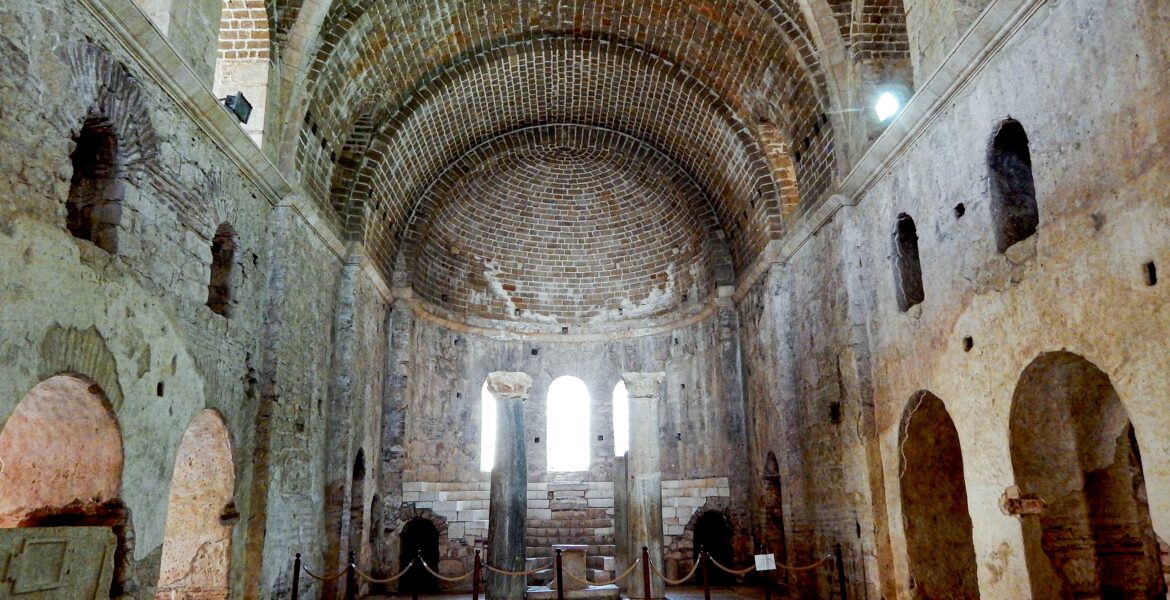
Archaeologists have announced the discovery of a limestone sarcophagus near the original burial site of Saint Nicholas at the historic Church of St. Nicholas in Antalya Province, Turkey.
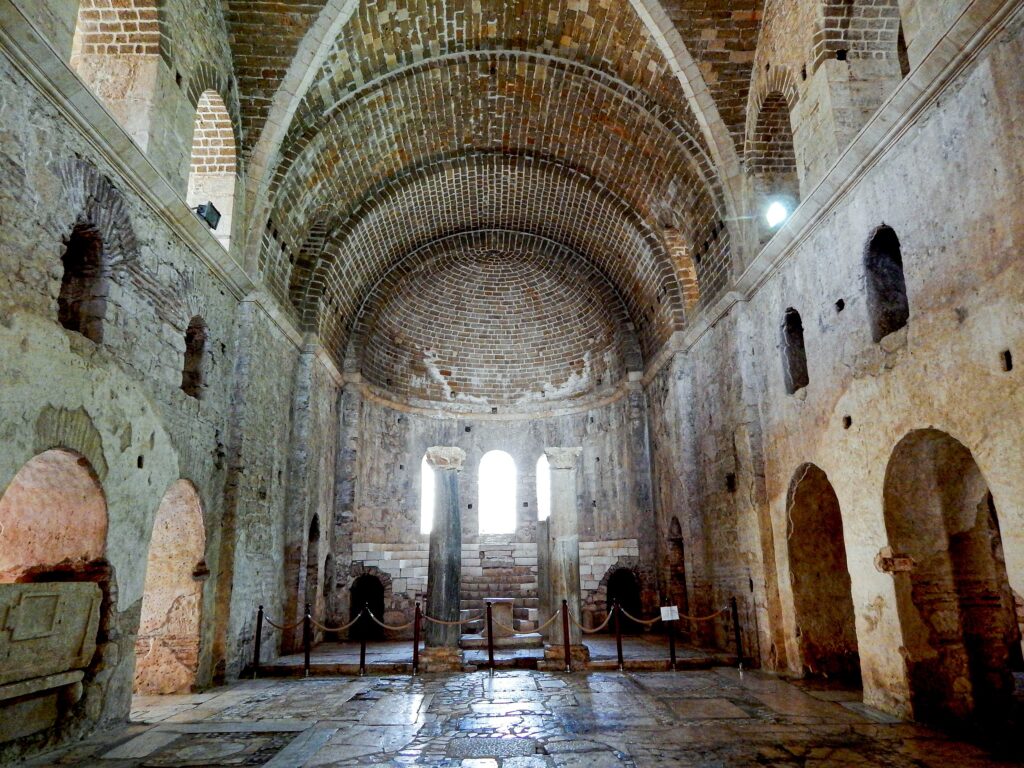
Although the church stands in modern-day Turkey, it is deeply rooted in the Greek Byzantine Empire, reflecting centuries of Greek cultural and religious influence across Asia Minor.
Saint Nicholas—of Greek heritage—served as an early Christian bishop in the coastal city of Myra. Renowned for his miracles, compassion, and generosity, he became the inspiration behind the legendary figures of Santa Claus and Sinterklaas.
Following his death, Byzantine Emperor Theodosius II commissioned the Church of St. Nicholas directly at the site where the bishop had served. His remains were relocated and reinterred inside the church. By the 11th century, however, it was claimed that his relics had been transferred to the Basilica di San Nicola in Bari, Southern Italy. During the First Crusade, Venetian sailors reportedly took additional relics, later enshrining them in the San Nicolò al Lido monastery basilica in Venice.
In 1953, scientific analysis of bone fragments from both Bari and Venice suggested that the remains originated from the same individual—though it could not be definitively proven that they belonged to Saint Nicholas himself.
The latest findings come after a two-year archaeological campaign at the Church of St. Nicholas, conducted under the Turkish Ministry of Culture and Tourism’s “Legacy for the Future Project.”
Excavations in the church’s two-story annex revealed a 2-metre limestone sarcophagus partially buried at a depth of 1.5 to 2 metres, topped with a pitched-roof lid. Associate Professor Ebru Fatma Fındık of Hatay Mustafa Kemal University expressed the team’s hopes: “Our biggest hope is to find an inscription on the sarcophagus. This would clarify who was buried here and help us determine its precise dating.”
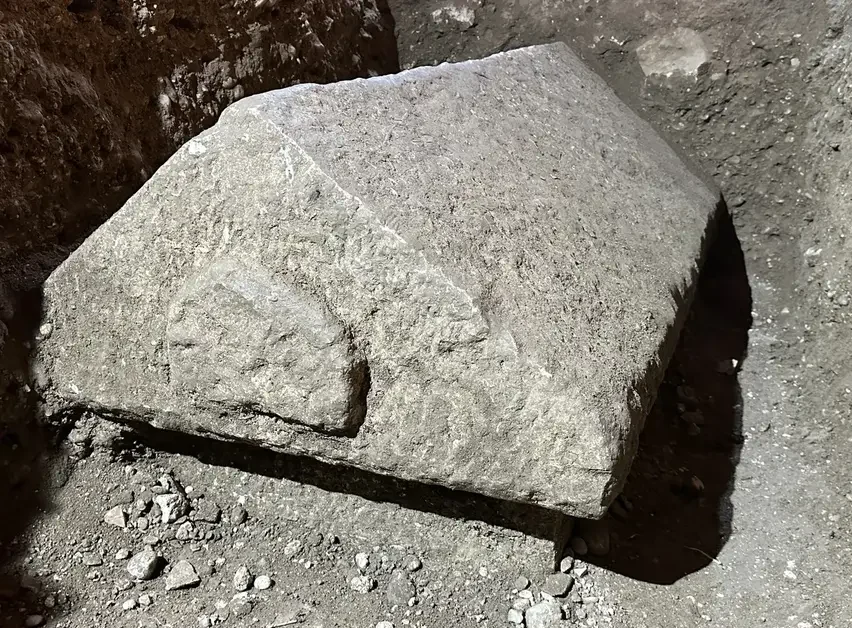
Fındık added that while the lid has now been fully exposed, only a small portion of the burial chamber is visible. Further excavation in the coming months is expected to provide critical new information.
Given its architectural style, historical context, and proximity to the bishop’s recorded burial site, archaeologists believe the sarcophagus may be the original grave of Saint Nicholas. “This could be a significant archaeological confirmation of historical sources regarding the burial place of St. Nicholas,” Fındık noted.
Read about the Christmas in 5 villages of Central Greece
Stay updated with the latest news from Greece and around the world on greekcitytimes.com.
Contact our newsroom to share your updates, stories, photos, or videos. Follow GCT on Google News and Apple News.

