
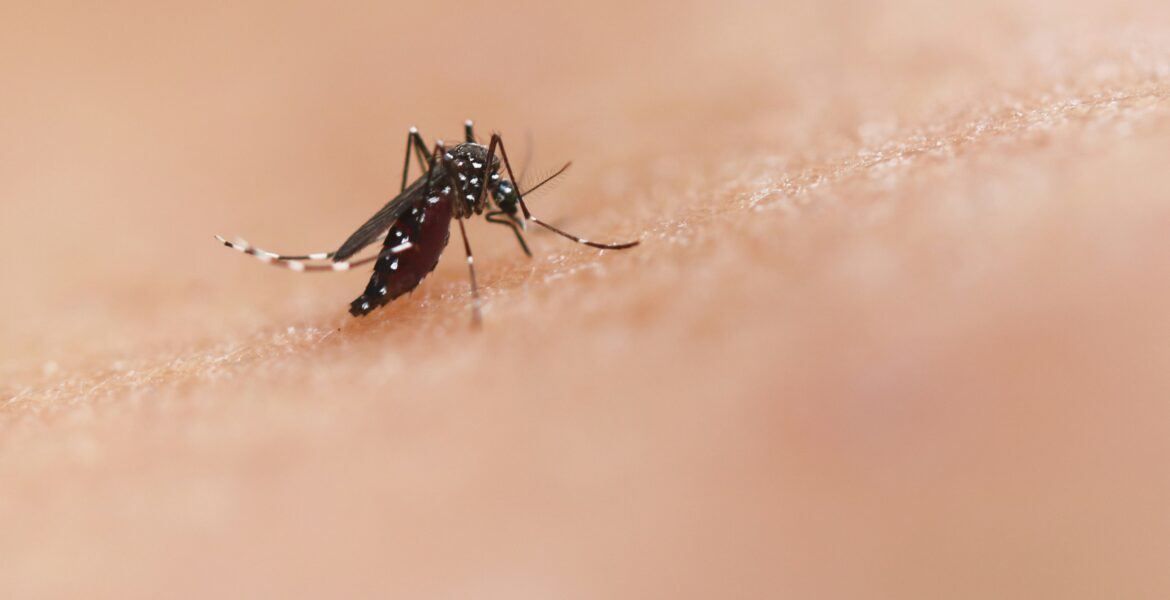
The National Public Health Organisation (EODY) has confirmed the first cases of West Nile virus infection in Greece for 2025, raising public health concerns as the country enters peak mosquito season.
According to an official statement issued this week, four cases were identified within a 48-hour period in Attica. The probable areas of exposure include western Attica and the port city of Piraeus. All four patients are over the age of 65 and developed symptoms of encephalitis in late June.
West Nile virus is primarily transmitted through the bite of infected mosquitoes, particularly species of the Culex genus. Infected humans do not spread the virus directly to others or back to mosquitoes. The majority of those infected either remain asymptomatic or experience only mild, flu-like symptoms such as fever, headache, and fatigue. However, approximately 1% of cases develop severe neuroinvasive disease, including encephalitis or meningitis, which can be life-threatening, especially for older adults and those with weakened immune systems.
Since the first detection of the virus in Greece in 2010, outbreaks have occurred almost every year. The largest recorded outbreak in the country took place in 2018, when more than 300 human cases were reported, leading to 50 fatalities. According to EODY data, the pattern of infections has often been associated with periods of high temperatures and increased mosquito activity during the summer months.
Health authorities are urging residents, particularly those in affected areas, to take preventive measures to reduce mosquito exposure. Recommended actions include using insect repellent, installing window screens, wearing long-sleeved clothing, and eliminating standing water where mosquitoes breed.
The European Centre for Disease Prevention and Control (ECDC) has also highlighted that climate change and urbanisation contribute to the spread and persistence of vector-borne diseases such as West Nile virus across southern Europe. In its latest report, the ECDC warned that prolonged heatwaves and milder winters are expanding mosquito habitats and increasing the likelihood of outbreaks.
West Nile virus was first identified in Uganda in 1937 and has since spread globally. While there is no specific antiviral treatment or vaccine available for humans, supportive care and hospitalisation may be required in severe cases.
EODY has stated that it will continue enhanced surveillance across the country and provide regular updates to the public. Citizens experiencing sudden high fever, severe headache, neck stiffness, or confusion are advised to seek immediate medical attention.
Stay updated with the latest news from Greece and around the world on greekcitytimes.com.
Contact our newsroom to share your updates, stories, photos, or videos. Follow GCT on Google News and Apple News.

