
ATHENS, Aug 5 (Reuters) - Greece is pushing to develop its domestic defense industry, focusing on a new anti-drone system called Centauros, produced by the state-run Hellenic Aerospace Industry (HAI). During its first test with an EU patrol in the Red Sea last year, Centauros detected and downed two Houthi drones attacking merchant vessels, while jamming two others, forcing their retreat.
The system, capable of detecting drones from 150 km and firing from 25 km, is set to be integrated across Greece’s naval fleet. It’s touted as Europe’s only battle-proven anti-drone system.
As part of a 30-billion-euro military modernization program through 2036, Greece plans to invest 800 million euros ($925 million) in defense innovation, including mass production of three anti-drone systems—Centauros, Iperion, and Telemachus—starting in 2026. These systems aim to protect troops and ships, particularly near the Turkish border, amid Greece’s historic rivalry with its NATO ally and prolific drone exporter, Turkey. Greece spends nearly 3.5% of its GDP on defense due to this tension.
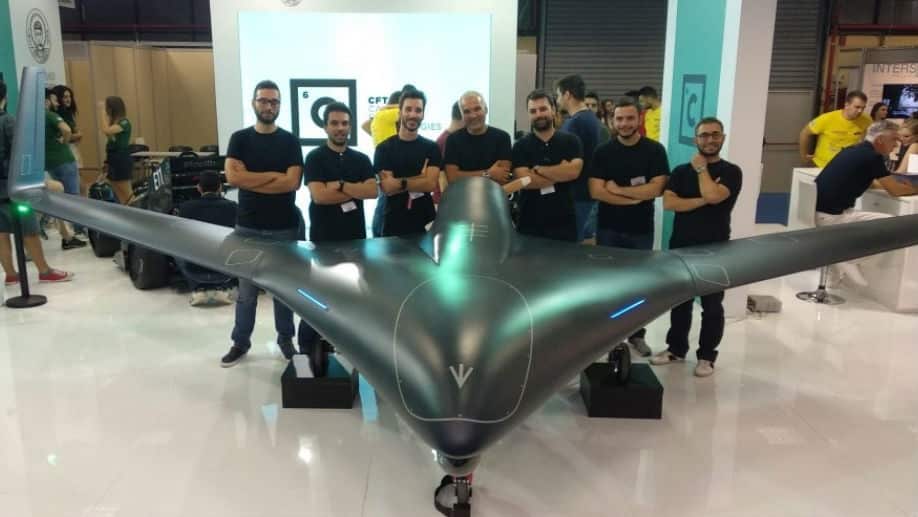
The program also includes developing combat drones like Kerveros, a vertical take-off UAV with a 30 kg payload, produced by Greek company Altus in collaboration with France’s MBDA. HAI is also working on Archytas, a large UAV named after an ancient Greek inventor, aiming to be a top-tier model. The Hellenic Centre for Defence Innovation, overseen by the Defence Ministry, targets exporting as much as Greece spends on defense annually, boosting its domestic industry, which currently accounts for only a fraction of defense spending.
Stay updated with the latest news from Greece and around the world on greekcitytimes.com.
Contact our newsroom to share your updates, stories, photos, or videos. Follow GCT on Google News and Apple News.
