
Dubbed Greece's Watergate, a surveillance scandal involving spyware and the Greek intelligence service targeting politicians, military officers, judges, and journalists is now in court. Prime Minister Kyriakos Mitsotakis has labeled it a scandal, but no government officials face charges, fueling accusations of a cover-up.
On Wednesday, a low-ranking judge will hear a case against two Israelis and two Greeks allegedly linked to marketing Predator, a spyware developed by Athens-based Israeli firm Intellexa. Predator can access a device’s messages, camera, and microphone, turning phones into surveillance tools.
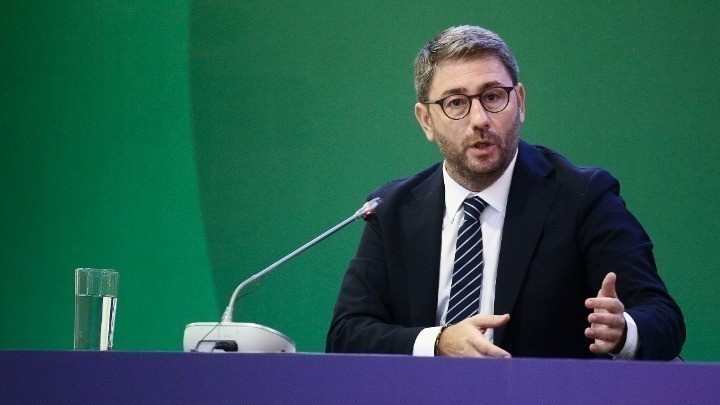
In 2022, Nikos Androulakis, then an MEP and now PASOK party leader, was alerted by EU Parliament IT experts about a malicious text containing Predator. He also learned Greece’s National Intelligence Service (EYP) had tracked him for “national security reasons.” Mitsotakis, who took direct control of EYP in 2019, faced a crisis. EYP head Panagiotis Kontoleon and Mitsotakis’ nephew, Grigoris Dimitriadis, resigned.
The Hellenic Data Protection Authority found Predator targeted at least 87 people, 27 of whom were also monitored by EYP, including ministers and senior military figures like Lieutenant General Konstantinos Floros and Kostis Hatzidakis, now vice president of the government. The government denied any link between EYP and Predator, calling it a coincidence. While Predator’s use was illegal in Greece at the time, a 2022 law now permits state surveillance under sotrict conditions.
A 2024 Greek Supreme Court report, seen by the BBC, found “no connection” between Predator and government officials. Government spokesperson Pavlos Marinakis called the matter closed, but critics disagree. The BBC sought comment from Marinakis without response.
The four individuals on trial face misdemeanor charges tied to Predator’s marketing. Critics, including journalist Thanasis Koukakis, who was also targeted, call it an “institutional scandal” tainting the judiciary. Eliza Trintafyllou of Inside Story noted the implausibility of four individuals independently targeting 87 prominent figures with spyware typically sold to state agencies. No ministers, judges, or officers have filed complaints or testified.
A new law on communications confidentiality introduced post-scandal has been criticized for limiting citizens’ rights to know if they were surveilled. Authorities raided Intellexa’s Athens offices months after the scandal broke but found nothing. Christos Rammos, former head of the Hellenic Authority for Communication Security and Privacy, faced obstacles investigating the case, describing it as a “traumatic experience for Greek democracy.”
The scandal drew international scrutiny, especially since Androulakis was an MEP. A European Parliament committee (PEGA) investigated, with former MEP Sophie in ‘t Veld accusing the Greek government of concealing the truth and stifling critical voices. She noted a “chilling effect,” with fears of ongoing surveillance persisting.
Stay updated with the latest news from Greece and around the world on greekcitytimes.com.
Contact our newsroom to share your updates, stories, photos, or videos. Follow GCT on Google News and Apple News.
