
Pope Leo XIV's upcoming visit to Turkey, his inaugural international journey, coincides with a pivotal moment in Christian history and has ignited fresh optimism for the revival of a long-shuttered Greek Orthodox seminary in Istanbul. The trip underscores efforts to bridge Catholic and Orthodox traditions while addressing longstanding issues of religious freedom in the country.
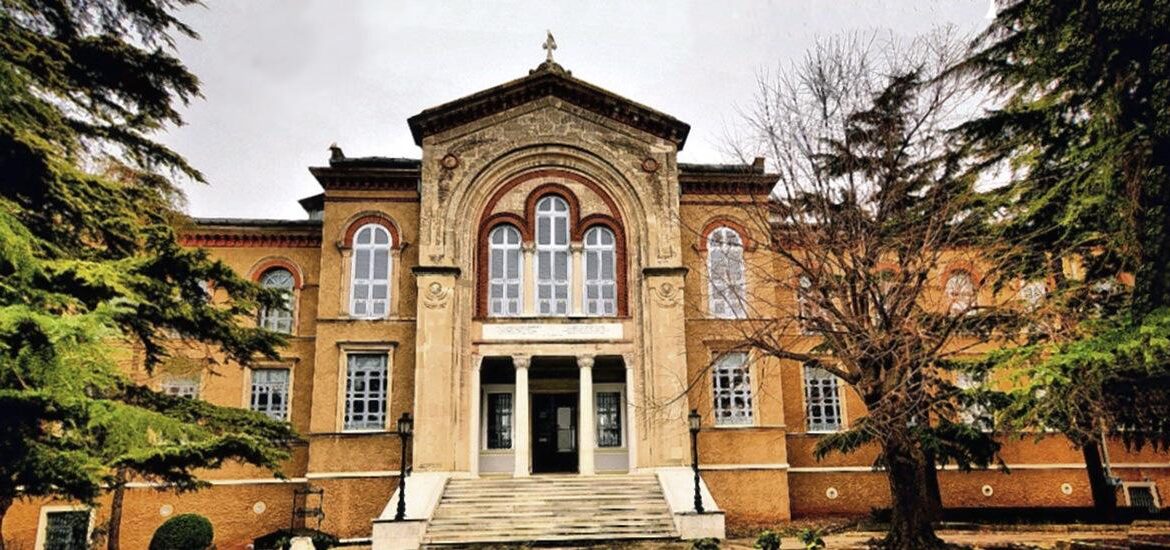
The Halki Theological School, perched on the scenic Heybeliada Island in the Sea of Marmara, embodies the enduring legacy of Orthodox Christianity. Established in 1844, it once nurtured generations of leaders, including Ecumenical Patriarch Bartholomew I, who guides over 300 million Orthodox faithful globally. Shut down by Turkish authorities in 1971 amid regulations curbing private higher education, the institution has defied pleas from world religious figures and human rights groups, even as Turkey later embraced a boom in private universities.
Recent progress hints at a thaw. In September, Turkish President Recep Tayyip Erdogan, during talks with U.S. President Donald Trump at the White House, pledged Turkey's commitment to facilitating the seminary's return, tying it to Greece's reciprocal steps for Muslim rights. Today, the campus buzzes with activity: scaffolding encircles the buildings, and renovations have readied clergy dormitories and classrooms for future scholars.
Leo XIV arrives in Turkey on Thursday, where he will confer with Erdogan and participate alongside Patriarch Bartholomew in celebrations marking the 1,700th anniversary of the Council of Nicaea. This cornerstone ecumenical gathering defined core Christian doctrines. The itinerary continues to Lebanon, blending pilgrimage with diplomacy.
"This represents a monumental leap for Turkey, its minorities, and the broader landscape of religious rights," Archbishop Elpidophoros, leader of the Greek Orthodox Archdiocese of America, shared in a New York-based video interview with The Associated Press. He revealed that a joint panel comprising the Istanbul Greek Orthodox Patriarchate and Turkish officials is actively negotiating the reopening, with hopes of enrolling students by the upcoming academic term.
The Istanbul native, now 57, called the prolonged closure "an outdated political relic that harms Turkey's image and interests." He pointed out the irony: "With countless private universities thriving here, singling out Halki only undermines progress for everyone."
The seminary's status serves as a litmus test for Turkey's approach to its religious minorities in a nation of nearly 86 million, where Christians number between 200,000 and 370,000. Erdogan's administration, in power since 2002, has advanced reforms—restoring seized properties and enabling new worship sites—but challenges persist. The 1923 Treaty of Lausanne grants formal protections only to Armenian, Greek, and Jewish communities, leaving other Christian denominations in legal limbo, often struggling to formalize churches or associations.
Tensions occasionally flare: A 2024 Islamic State-claimed assault on an Istanbul Catholic church left one attendee dead during services. Turkey has dismissed allegations of deporting Protestant foreigners on security grounds as part of a "fabricated smear campaign."
The 2020 reconversion of Istanbul's iconic Hagia Sophia—a former Byzantine cathedral, UNESCO World Heritage Site, and museum—into a mosque sparked global backlash. Notably absent from Leo's schedule is a highlight of lingering sensitivities, despite prior papal visits.
Istanbul's Greek Orthodox Patriarchate holds "first among equals" prestige in Orthodoxy, tracing roots to the Byzantine era before the 1453 Ottoman conquest. Yet Turkey limits its role to the shrinking local Greek community under the Lausanne Treaty.
(AP)
Read more Heavy Crane Truck Inside Hagia Sophia Sparks Concern Over Floor Protection
Stay updated with the latest news from Greece and around the world on greekcitytimes.com.
Contact our newsroom to share your updates, stories, photos, or videos. Follow GCT on Google News and Apple News.
