
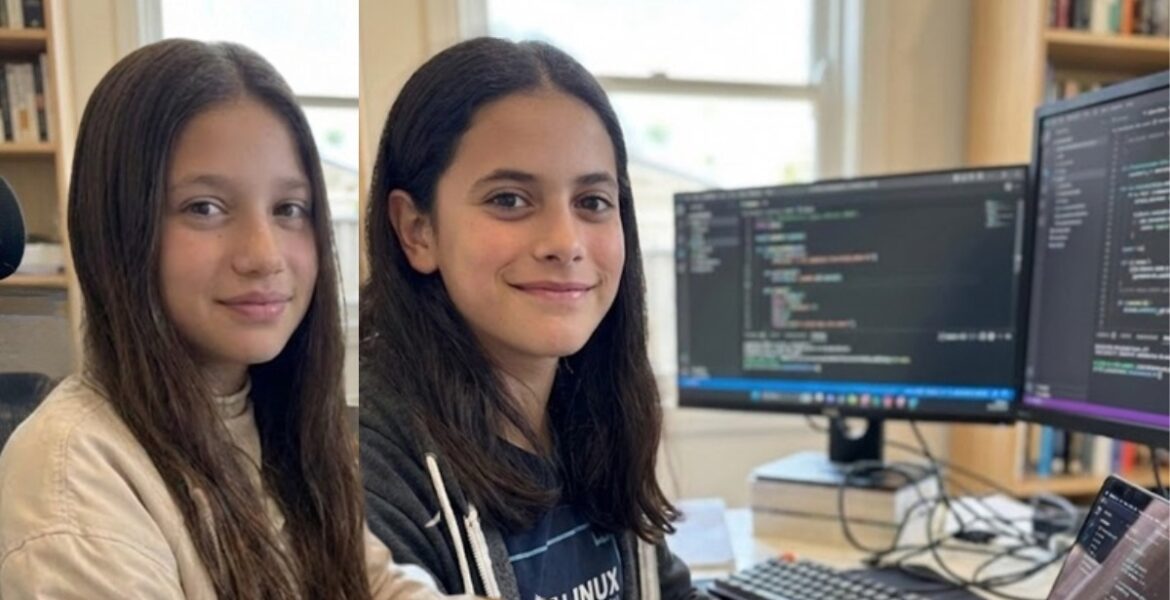
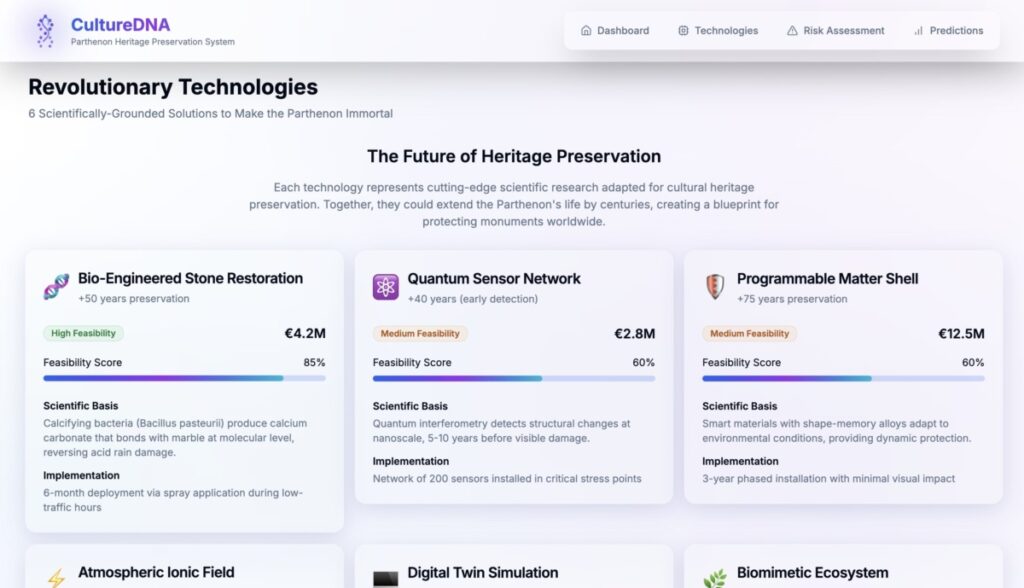
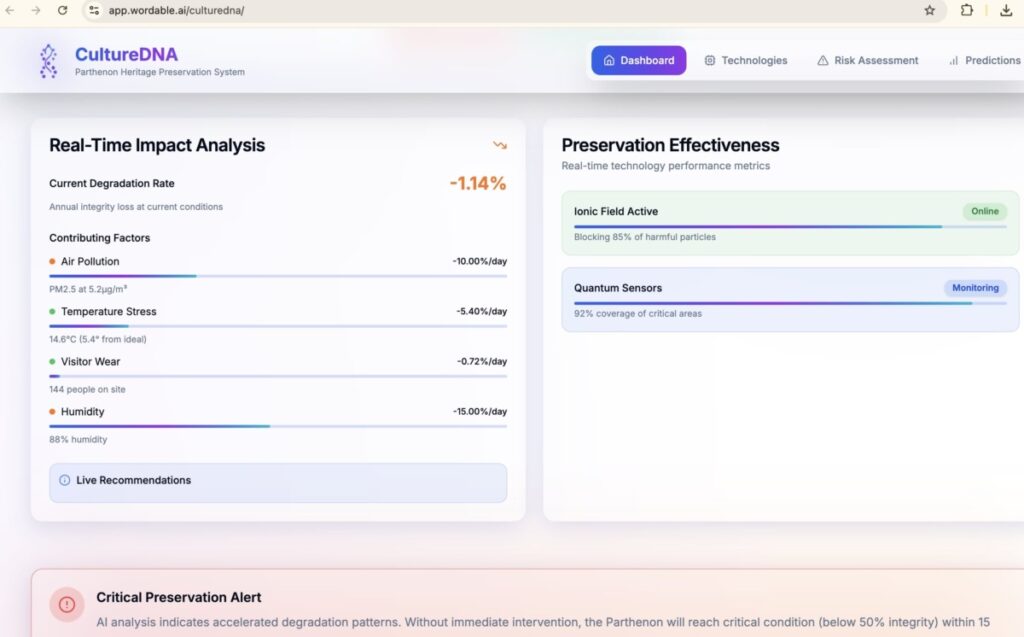
In a year defined by rapid advances in artificial intelligence, two young sisters from the Greek community in Johannesburg have achieved something quietly remarkable. Mila and Alexandra Papanicolaou, aged twelve and thirteen, have taken out First Place and Gold at MindHack 2025, an international AI competition held in Bangkok on 22 November. Their project was a sophisticated digital tool dedicated to safeguarding the Parthenon.
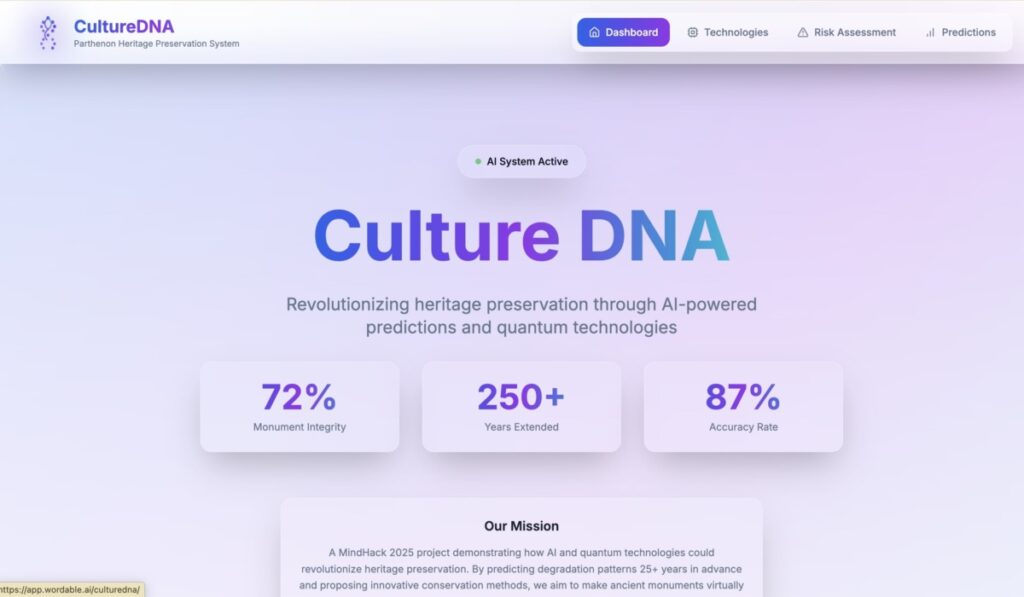
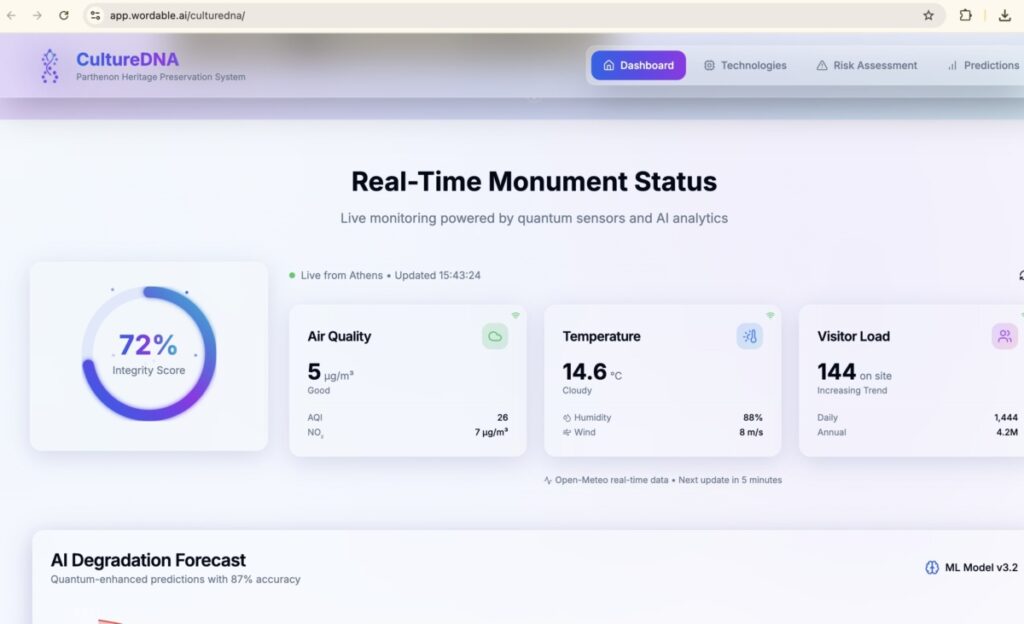
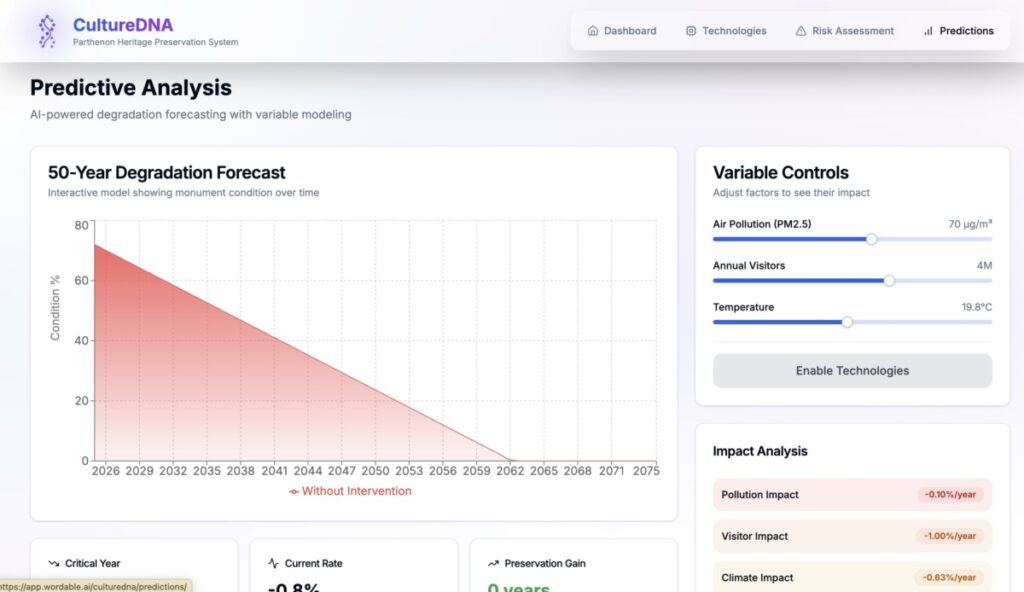
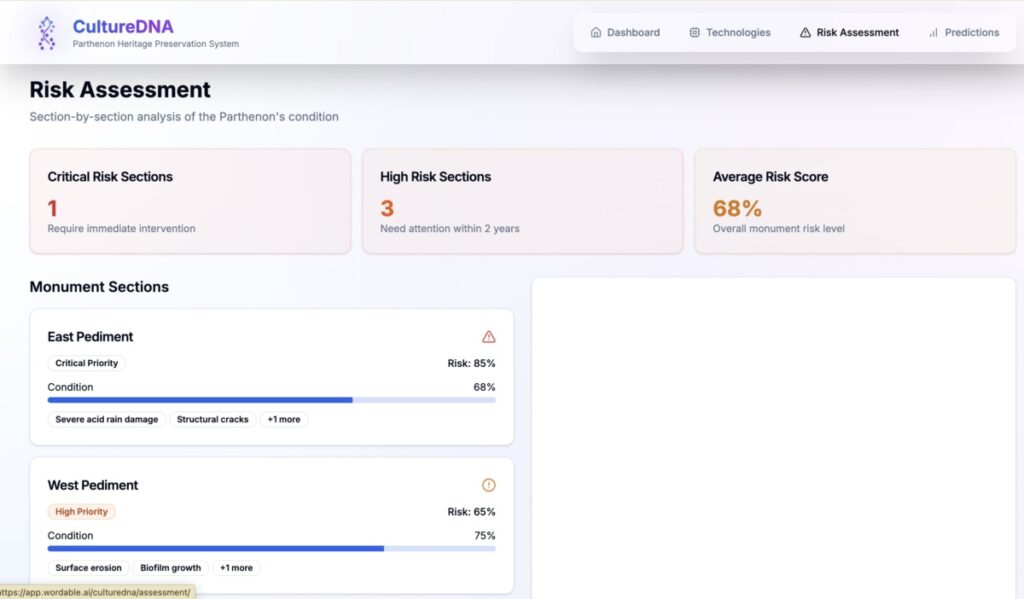
The sisters, both students at SAHETI School, developed CultureDNA Parthenon Heritage Preservation, an AI powered platform designed to identify threats facing Greece’s most recognisable ancient monument. Their work combined technical precision with a strong cultural purpose. Using real data, the platform analyses environmental risks, structural vulnerabilities and patterns that may accelerate damage to the Parthenon. What set it apart, judges said, was the mix of research depth, coding ability and a clear sense of responsibility to protect a symbol of global heritage.
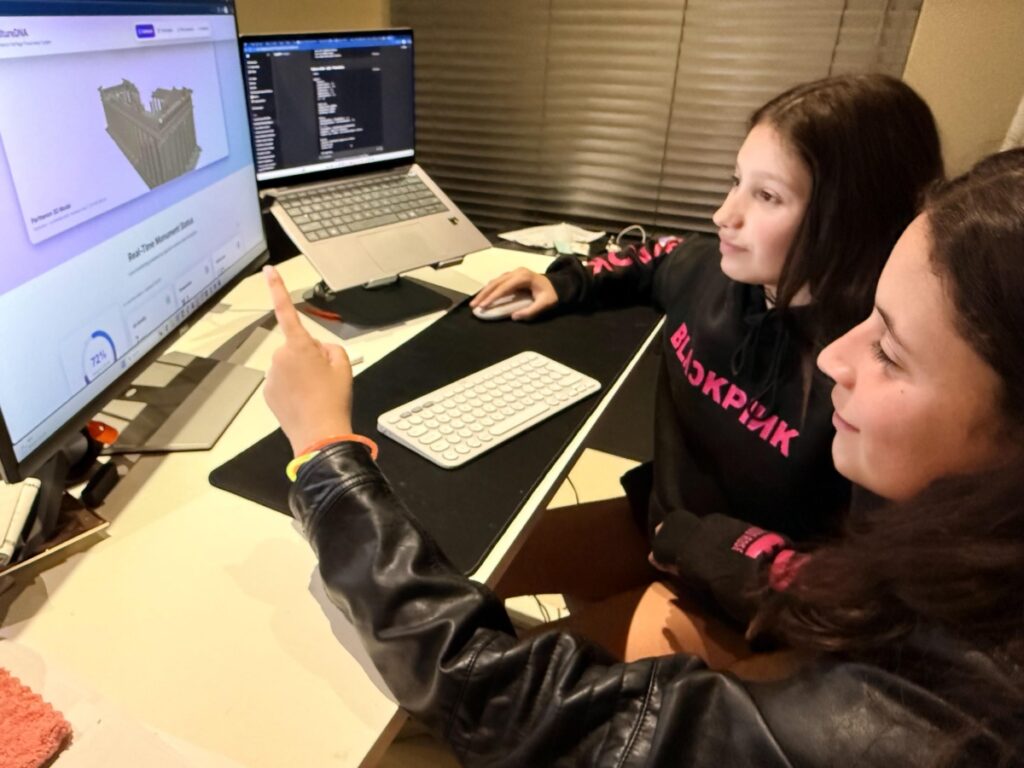
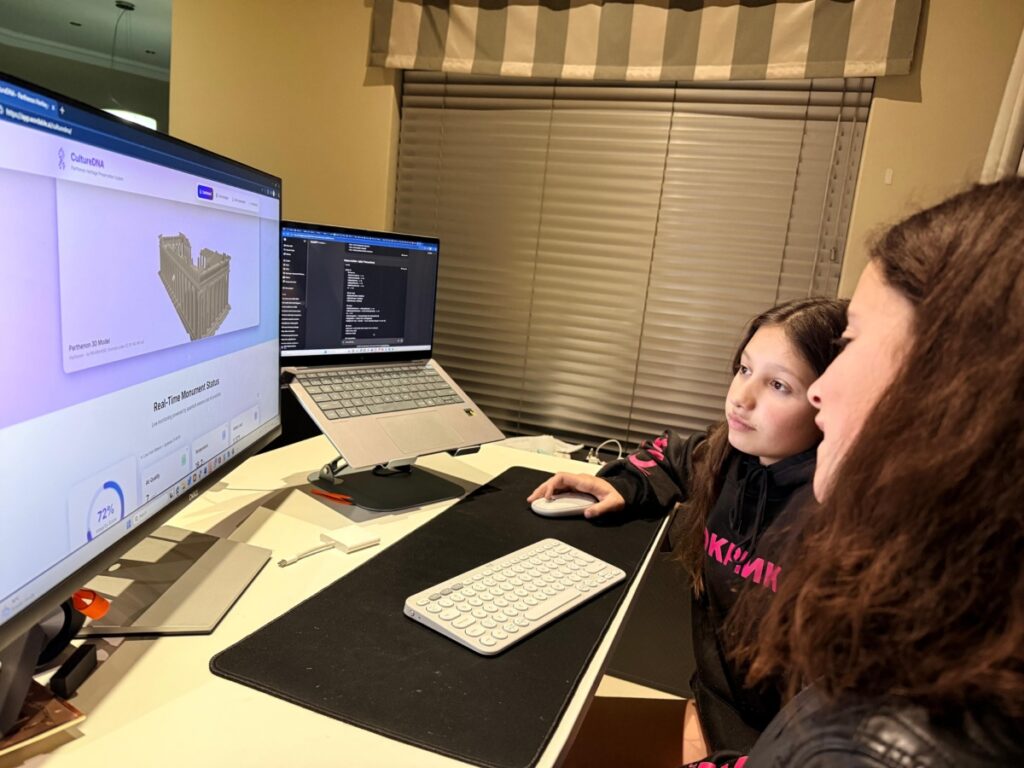
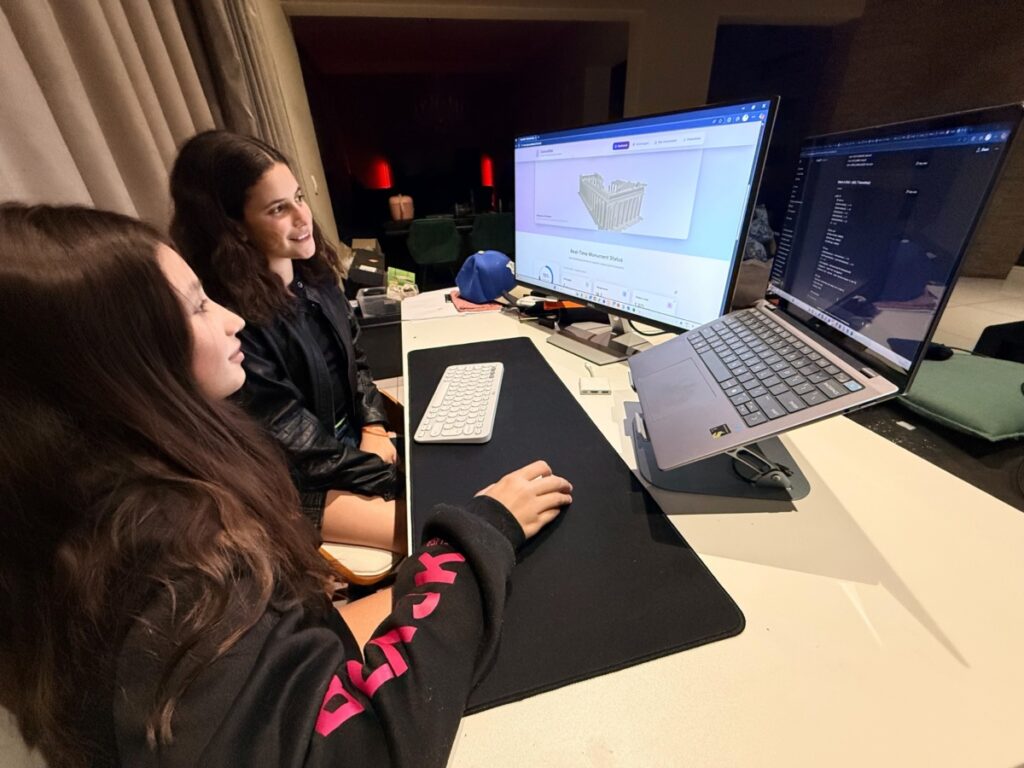
MindHack, created by ScopeIT in partnership with CIY, invites young students from around the world to use technology to preserve and promote cultural heritage. It is a competition built around skill, but also around stewardship. For the Papanicolaou sisters, the decision to focus on the Parthenon was straightforward. They have grown up in a strong Greek community in Johannesburg and wanted to use their skills to honour a monument that has shaped their sense of identity.
Their win is also an important moment for SAHETI School. The institution was founded by the Greek community more than fifty years ago and has always held academic achievement and cultural continuity side by side. The sisters’ success demonstrates how the diaspora continues to nurture a connection to Hellenic history even as new generations grow up thousands of kilometres from Athens.
The achievement becomes even more impressive when placed in the broader context of the sisters’ talents. Alongside the Bangkok competition, Mila recently represented South Africa at the Commonwealth Chess Tournament in Kuala Lumpur. She placed sixth out of twenty eight competitors and finished as both the top South African and the highest ranked African participant. Balancing international chess with AI innovation has made her one of the most promising young minds in her age group.
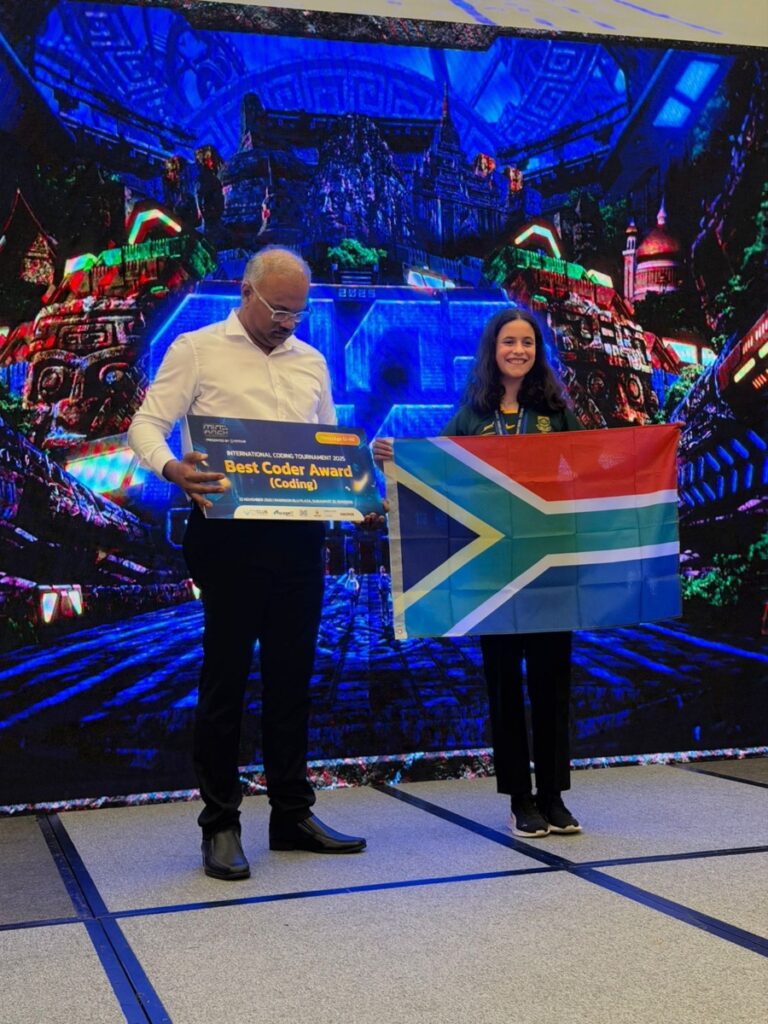
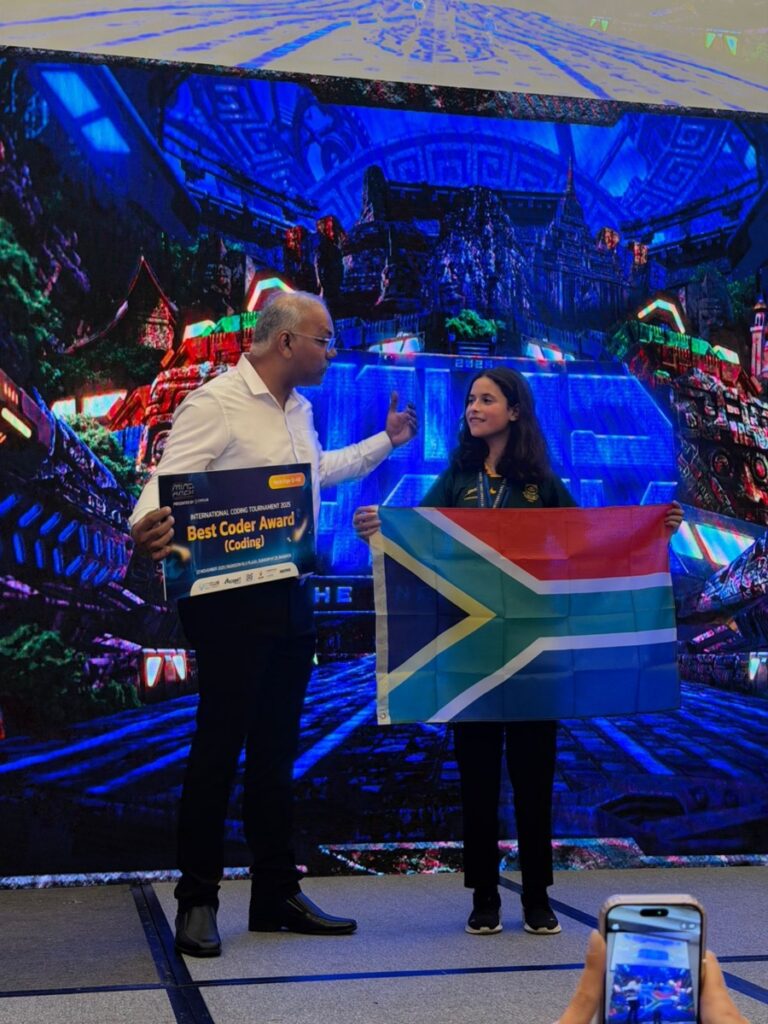
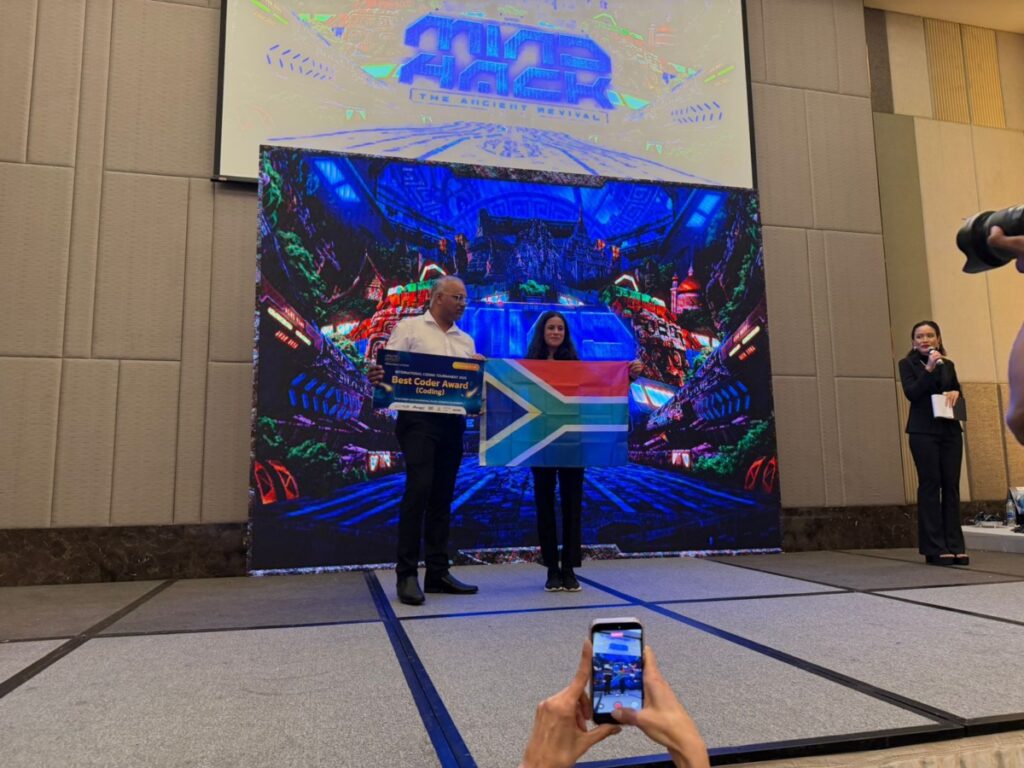
Their achievement shows how naturally the next generation moves between the ancient and the modern. By turning to AI to help protect the Parthenon, they have proved that new technology can strengthen the effort to look after our shared history. It also reveals how strongly Greek identity lives on in young people of the diaspora, no matter how far they are from home.
The sisters will continue to refine their platform and hope that CultureDNA can contribute to practical preservation efforts. Their work has also sparked interest across the Greek community in South Africa, where diaspora families have watched with pride as two schoolgirls used AI to amplify a story thousands of years older than themselves.
Read also How an Ancient Greek Story Became the Modern Marathon
Stay updated with the latest news from Greece and around the world on greekcitytimes.com.
Contact our newsroom to share your updates, stories, photos, or videos. Follow GCT on Google News and Apple News.

