
Regenerative hospitality is gaining momentum in Greece as tourism leaders and experts push beyond sustainability toward a model that restores ecosystems, supports local communities, and protects long-term quality of life in destinations.
As tourism growth continues to place pressure on water resources, agricultural land, infrastructure, and local communities, regenerative hospitality offers a different approach. Rather than simply limiting damage, the model calls on tourism businesses to actively contribute to the regeneration of the land, food systems, and communities on which they depend.
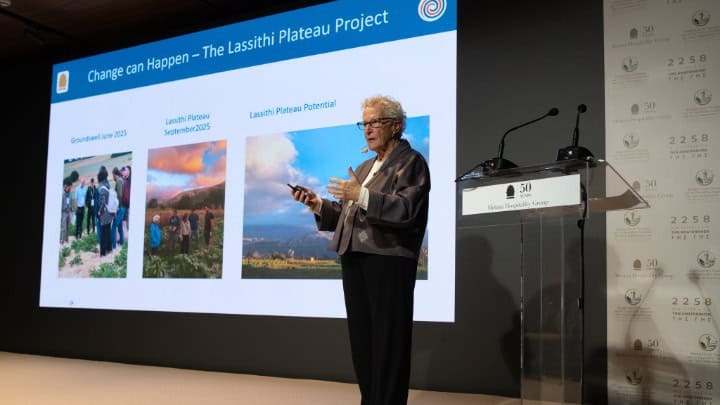
Anna Pollock, founder of Conscious Travel and a leading international expert on regenerative tourism, said tourism can no longer thrive by extracting value from destinations. Speaking to the Athens-Macedonian News Agency, Pollock stressed that success must extend beyond visitor numbers and revenue to include tangible benefits for residents, workers, visitors, and the natural environment.
Regenerative hospitality closely connects with regenerative agriculture, which focuses on restoring soil health, improving water retention, increasing biodiversity, and producing nutrient-rich food. These practices reduce chemical inputs, enhance resilience to climate change, and allow soil to capture carbon, helping address drought, land degradation, and extreme weather.
Pollock noted that the shift is particularly relevant for Greece, where more than 88 percent of hotel beds operate in areas facing water scarcity. At the same time, tourism expansion continues to strain agricultural land and natural resources, especially on islands.
In practice, regenerative hospitality includes hotels that grow part of their own food, work exclusively with local regenerative farmers, offer farm-to-table experiences, and involve visitors in educational and nature-based activities. Supporters argue that these practices strengthen local economies, lower long-term costs, and create more authentic tourism experiences.
Pollock said Greece holds a strong position to lead regenerative tourism in Europe due to its small-scale farming traditions, rich biodiversity, and deep reservoir of ecological knowledge. Several initiatives already support this transition, including networks that promote regenerative farming, skills development, and closer links between agriculture and tourism.
Under the regenerative model, tourism no longer operates as a standalone industry but as part of a living system that connects land, food, water, and local communities, aiming to ensure long-term resilience for both destinations and the people who depend on them.
Stay updated with the latest news from Greece and around the world on greekcitytimes.com.
Contact our newsroom to share your updates, stories, photos, or videos. Follow GCT on Google News and Apple News.
