
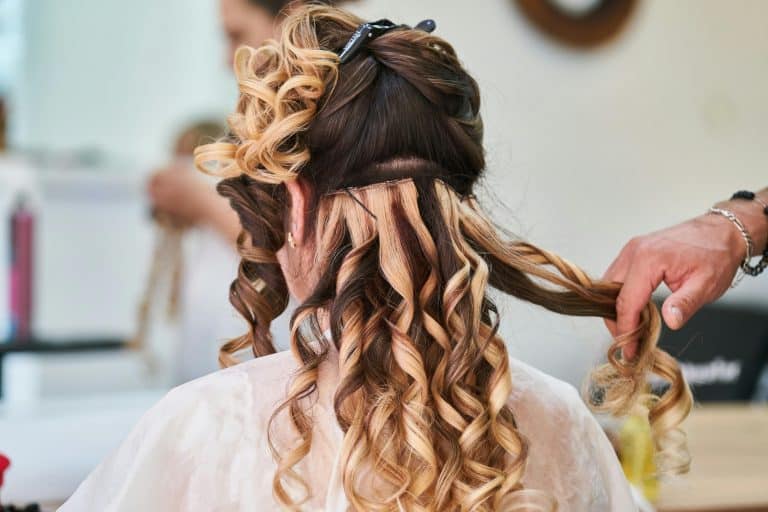
A new study detected dozens of hazardous chemicals in hair extensions, including products made from human hair, and warned of potential health risks in a largely unregulated beauty category.
Researchers from the Silent Spring Institute, which specialises in links between chemical exposure and health, found substances associated with cancer and other harmful impacts.
The team purchased 43 popular hair extension products online and from beauty supply stores. Researchers categorised the samples as synthetic or bio-based, including human hair and silk fibres.
Nineteen synthetic samples stated they contained flame retardants, three claimed they were water resistant, nine were labelled heat resistant, and three carried labels saying they were non-toxic or PVC-free.
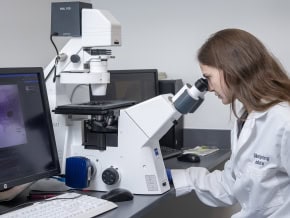
Researchers screened the products for a wide range of chemicals. They detected more than 900 chemical signatures, including known and unknown substances, and used machine learning software to identify and categorise them. The team ultimately identified 169 chemicals across nine main structural groups.
The analysis, published in the American Chemical Society journal Environment & Health, reported dozens of substances linked to cancer, endocrine disruption, developmental harm and immune system effects. These included flame retardants, phthalates, pesticides, styrene and tetrachloroethane.
All samples except two labelled “non-toxic” contained hazardous chemicals. The study found 48 chemicals listed on major hazard lists, including 12 named under California’s Proposition 65 as linked to cancer, birth defects or reproductive harm.
Researchers detected 17 chemicals associated with breast cancer in 36 samples. Nearly 10% of products contained toxic organotin compounds, some at concentrations exceeding European Union health limits.
Study lead author Elisia Franklin said the findings showed a need for stronger oversight, particularly as the global hair extension market was projected to exceed $14 billion by 2028 and the United States led global imports.
Momentum for legislative change in the US also grew. New York recently introduced a bill requiring manufacturers of synthetic braids and extensions to disclose all ingredients. New Jersey advanced separate legislation aimed at banning harmful chemicals from synthetic hair products.
At the federal level, lawmakers introduced the “Safer Beauty Bill” package last year, which included a proposal to give the US Food and Drug Administration authority to regulate the safety of synthetic braids and extensions.
Stay updated with the latest news from Greece and around the world on greekcitytimes.com.
Contact our newsroom to share your updates, stories, photos, or videos. Follow GCT on Google News and Apple News.

