
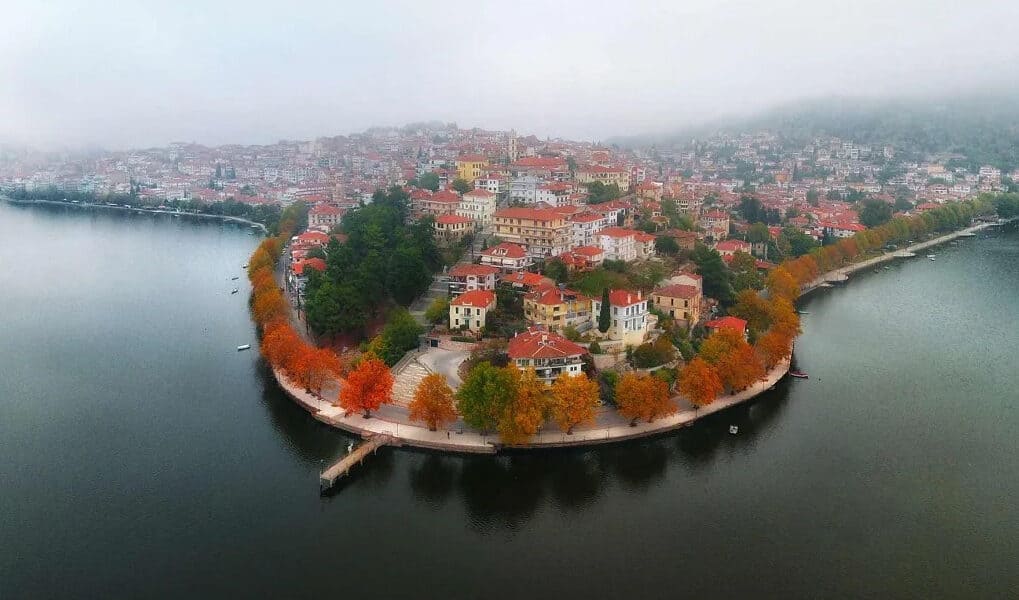
Deputy Tourism Minister Anna Karamanli promoted Kastoria as a destination with strong potential to secure a place on the international map of religious and pilgrimage tourism, linking faith with history, culture, and sustainable development.
Karamanli delivered her remarks during the penultimate day of the “D’ Karavaggeleia” events, dedicated to Macedonian freedom fighter Germanos Karavangelis. She said the commemorations offered an opportunity to recognise the role of history, culture, and faith in shaping the region’s modern identity.
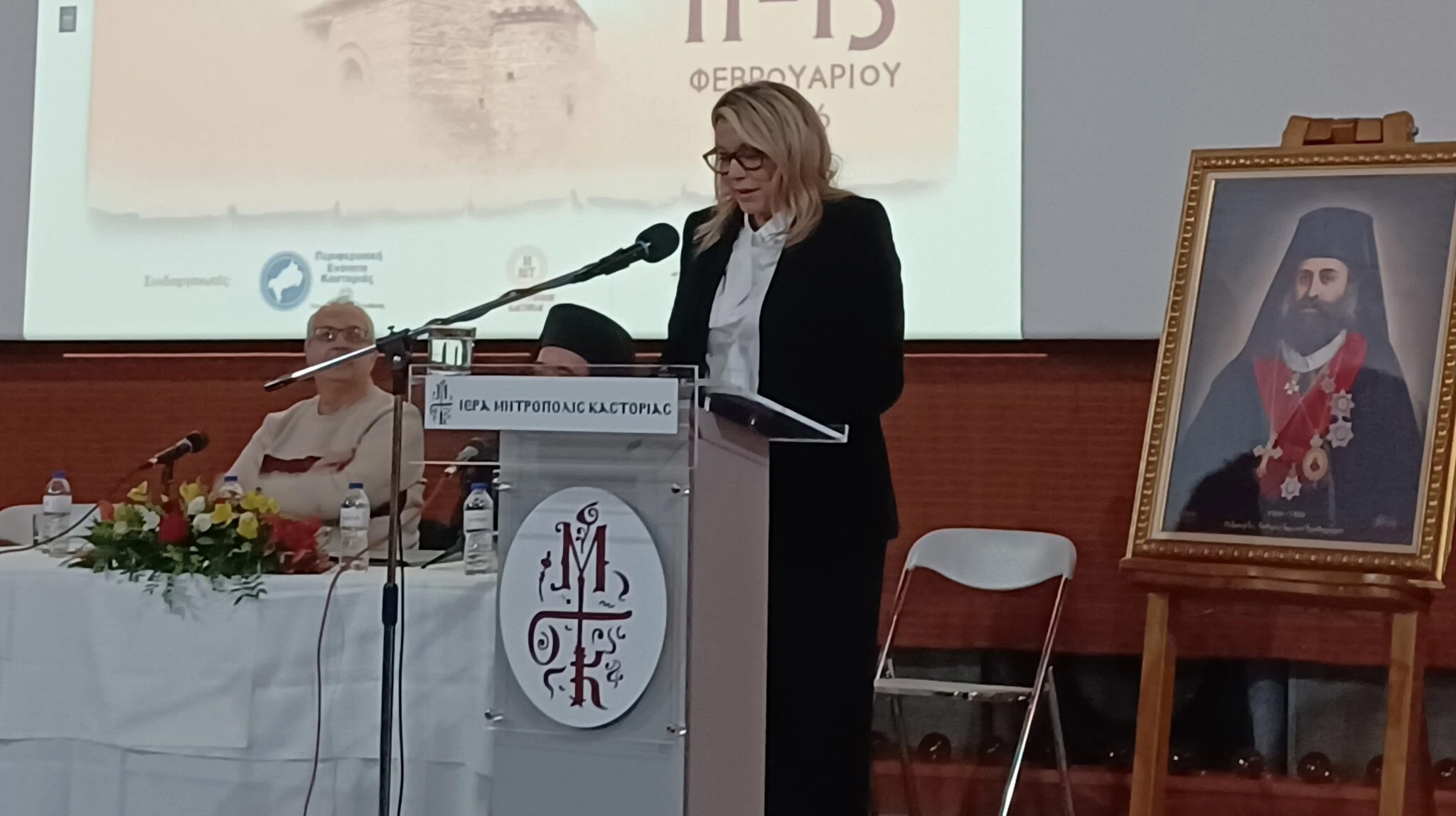
She described the Karavaggeleia as a platform for informed dialogue that could open new development paths for Kastoria, the wider region, and Western Macedonia. Karamanli said tourism stood at the centre of that strategy, particularly a model that could operate throughout the year.
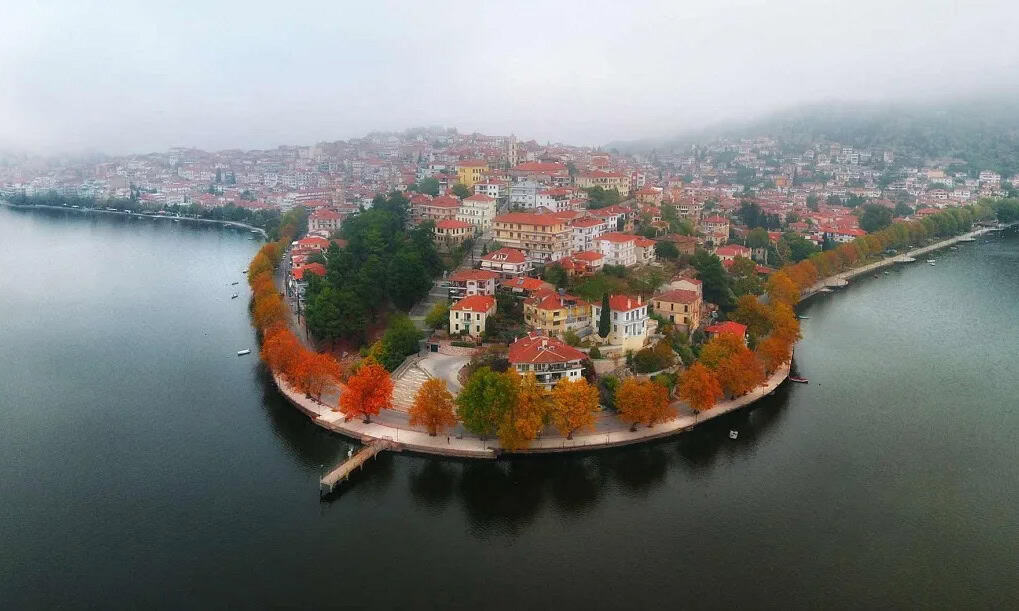
Karamanli said Kastoria offered an authentic and multi-dimensional tourism identity, combining the city’s lake, rare ecosystems, architectural heritage, traditional settlements, Byzantine monuments, gastronomy, and local products. She also highlighted the Vigla–Pisoderi ski centre, noting it recently received an operating licence from the Ministry of Tourism.
She outlined a potential visitor route starting at the lake and the Dragon’s Cave, continuing through the old town’s cobbled streets and mansions, historic churches, and Dispilio, extending to the fossilised forest in Nostimo, and ending at Prespa and the islet of Agios Achilleios.
Karamanli said religious tourism was a strategic priority and described it as one of the most resilient forms of tourism during crises, as it responded to people’s desire for spiritual experiences, inner peace, and connection with faith. She added that religious destinations attracted not only traditional pilgrims but also visitors interested in broader cultural exploration, helping extend the tourist season beyond peak months.
She said Greece held strong comparative advantages, including 1,100 early Christian and Byzantine monuments and monasteries, with 17 listed as UNESCO World Heritage sites. Karamanli gave special emphasis to Byzantine Kastoria, calling it a “living city” and a “true ark of Orthodoxy,” stressing that it remained a place of faith, memory, and hope rather than a museum site.
Karamanli also described tourism as a pillar of Greece’s economy, saying it supported more than 400,000 jobs and strengthened local communities. She said preliminary data showed 2025 was on track to become another record year, with €23 billion in revenues from January to November and increased travel activity.
She added that the Greek National Tourism Organisation (EOT) expected to complete its digital transformation by 2026, providing new tools to promote Greece’s religious tourism offering.
Karamanli concluded by stressing that pilgrimage tourism required cooperation between the state, the Church, local government, and local communities to strengthen the economy without undermining the spirituality and identity of sacred sites.
Stay updated with the latest news from Greece and around the world on greekcitytimes.com.
Contact our newsroom to share your updates, stories, photos, or videos. Follow GCT on Google News and Apple News.

