
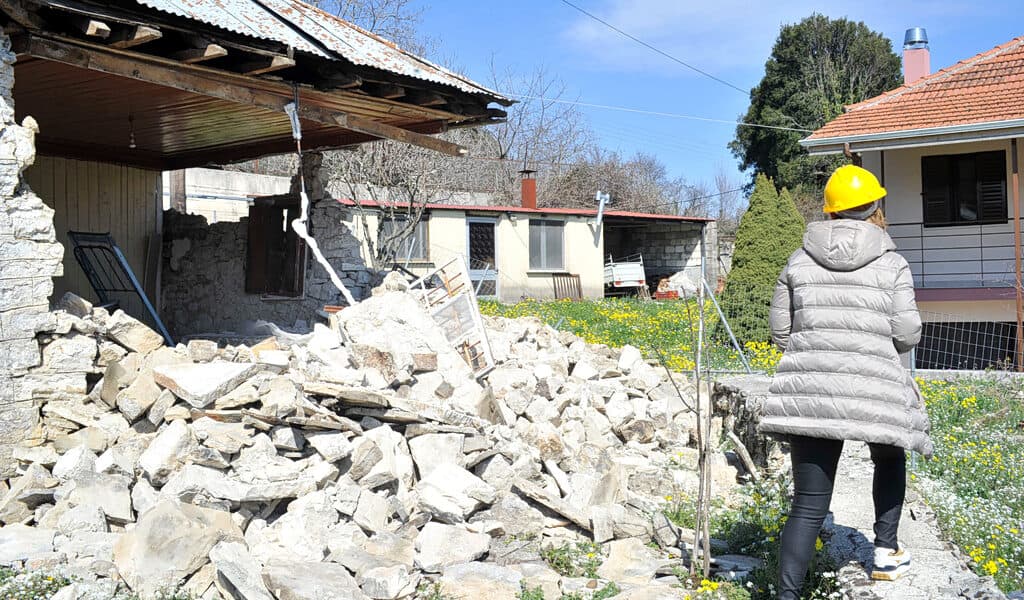
Authorities reported significant damage across parts of Epirus after a strong earthquake struck the region on 8 March, with inspections revealing that more than 140 buildings suffered damage.
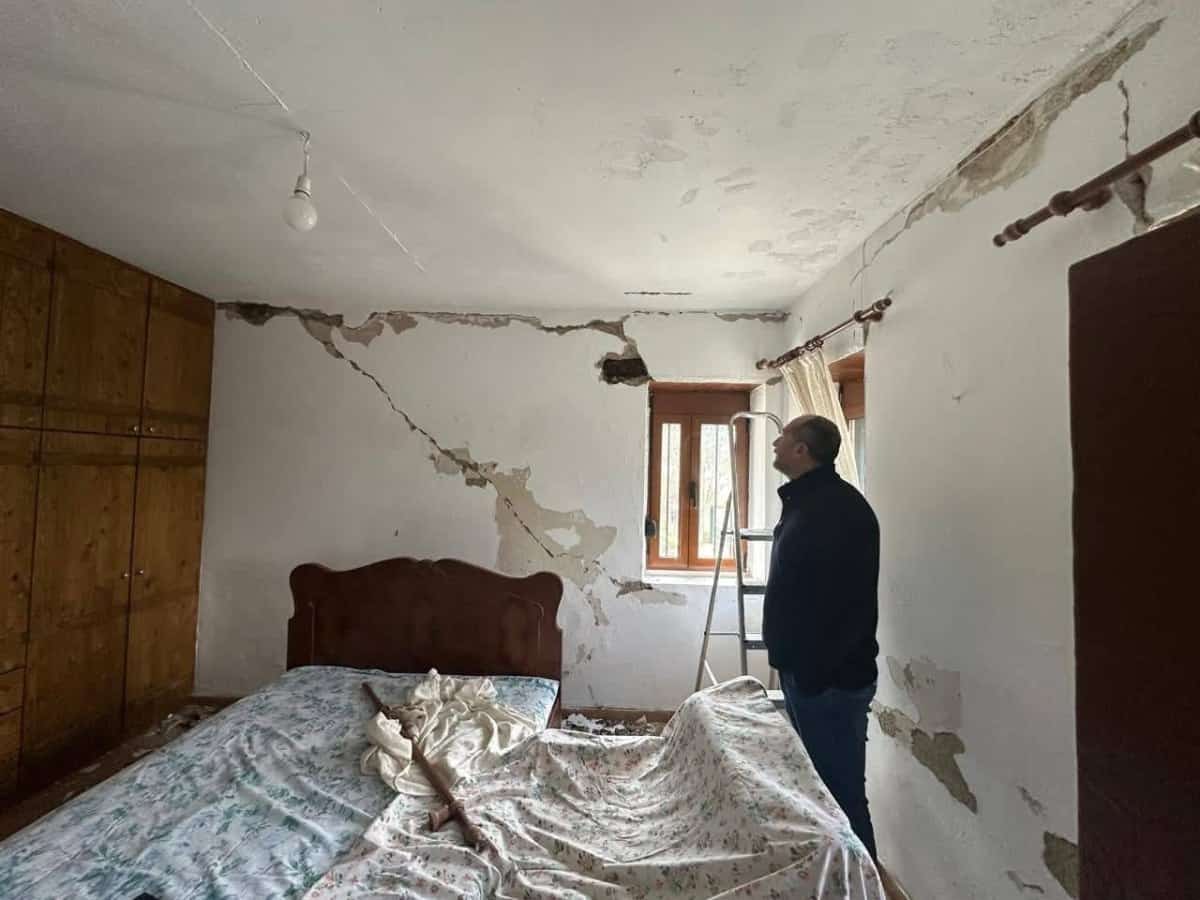
Preliminary assessments showed that most of the affected structures are residential homes. However, engineers also identified serious structural problems in churches and school buildings across several communities. Many of these schools have remained closed for years and now serve as community facilities.
The earthquake, which measured 5.3 on the Richter scale, caused the greatest impact in the Dodoni municipality.
Villages Report Extensive Damage
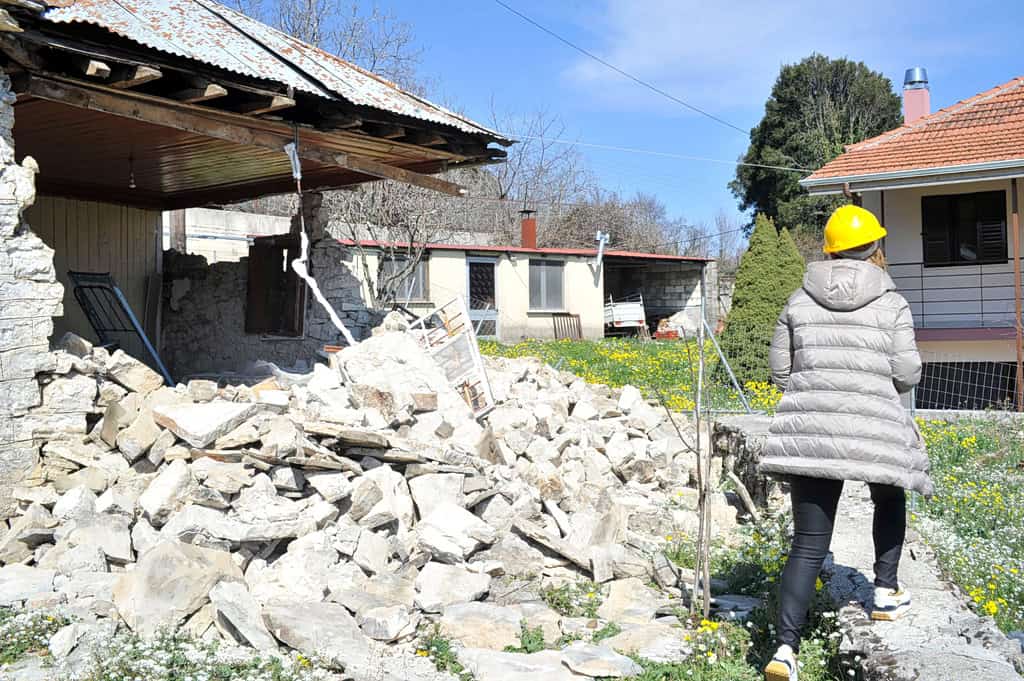
Engineers reported that older stone houses suffered the most damage, with many expected to be officially classified as unsafe for habitation.
The villages most affected include:
-
Psina: Officials described the situation as dramatic, with more than half of the village’s homes damaged, along with the central church in the main square.
-
Seniko: Authorities reported significant structural problems across several settlements.
-
Agios Nikolaos, Kerasea, Polygyrros and Dragopsá: Engineers detected extensive cracks and structural weaknesses in dozens of buildings.
Engineers Assist With Inspections
Damage assessments continued at a rapid pace with teams from the Dodoni municipality working alongside engineers from the Technical Chamber of Greece regional department in Epirus. Their evaluation is considered essential to determine which buildings remain safe for residents.
Local residents remain anxious as aftershocks continue while authorities prepare for the long process of compensation and reconstruction.
Monitoring in Ioannina
Authorities in Ioannina placed municipal services on high alert immediately after the earthquake. The city’s Civil Protection department coordinated its response with the Hellenic Fire Service, Hellenic Police and the regional administration.
Municipal engineers, together with specialists from the Technical Chamber of Greece, have begun precautionary inspections of school facilities and public buildings to assess possible structural damage.
City officials clarified that schools and municipal services will continue operating normally unless inspections reveal serious structural issues.
The municipality has also submitted a request to the Greek government to declare the area in a state of emergency to allow faster activation of support measures if necessary.
Authorities urged residents to remain calm and rely on official announcements. According to Efthymios Lekkas, professor of geology and disaster management, the aftershock sequence indicates that seismic activity is gradually subsiding.
Lekkas explained that dozens of smaller tremors have already been recorded and said the 5.3 magnitude earthquake was likely the main seismic event.
Stay updated with the latest news from Greece and around the world on greekcitytimes.com.
Contact our newsroom to share your updates, stories, photos, or videos. Follow GCT on Google News and Apple News.

