
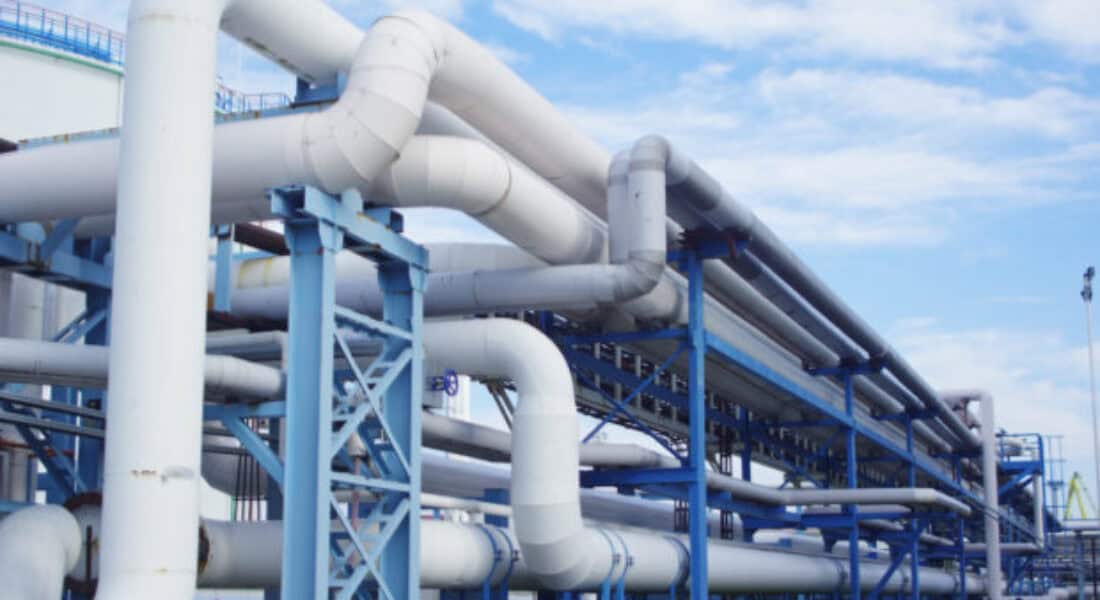
The Thessaloniki–Skopje oil pipeline has officially resumed operations after remaining inactive for 13 years, marking a significant development in regional energy infrastructure and supply. The restart of the pipeline was announced by Helleniq Energy CEO Andreas Shiamisis during a company event, noting that operations began on New Year’s Eve.
According to Shiamisis, the pipeline establishes a “vertical corridor” for energy supply, transporting diesel fuel, the dominant petroleum product across the wider Balkan region. The first shipment has already been delivered, with a second load expected in the coming days.
The pipeline’s operation is expected to significantly facilitate Greek fuel exports, not only to North Macedonia but also to neighboring markets including Kosovo, southern Serbia, and Bulgaria. This expansion strengthens Greece’s geopolitical footprint in Southeast Europe, reinforcing its role as a key regional energy hub.
In addition to its strategic importance, the pipeline’s reopening is expected to deliver environmental and logistical benefits. For more than a decade, fuel supplies had relied on tanker trucks, placing heavy traffic and environmental strain on Thessaloniki. The pipeline reduces both congestion and emissions associated with road transport.
Beyond the pipeline, Shiamisis reaffirmed Helleniq Energy’s timelines for upstream energy exploration. An exploratory drilling operation in Block 2 of the Ionian Sea, led by a consortium with ExxonMobil and Energean, is expected within the next 12 to 18 months. Seismic surveys south of the Peloponnese, conducted in cooperation with Chevron, are also moving forward. He emphasized the geopolitical importance of these projects in safeguarding Greece’s sovereign rights.
The Helleniq Energy CEO also outlined key corporate and strategic updates:
-
The group recorded operating profits exceeding €1 billion in 2025 for the fourth consecutive year.
-
Supplying Greece with oil from Venezuela remains difficult but not impossible.
-
A final investment decision on a floating LNG terminal in Thessaloniki will depend on the long-term prospect of restoring relations with Russia.
-
Planned investments include a €50 million upgrade of the Thisvi power generation unit, scheduled for completion in early 2027.
-
In the retail electricity market, the company aims to achieve a 10% market share by the end of 2030.
-
The group’s first energy storage units (batteries) in Thessaloniki are set to become operational in the coming weeks, alongside continued renewable energy development targeting 1 gigawatt of capacity, with battery storage integrated into most green assets.
Stay updated with the latest news from Greece and around the world on greekcitytimes.com.
Contact our newsroom to share your updates, stories, photos, or videos. Follow GCT on Google News and Apple News.

