
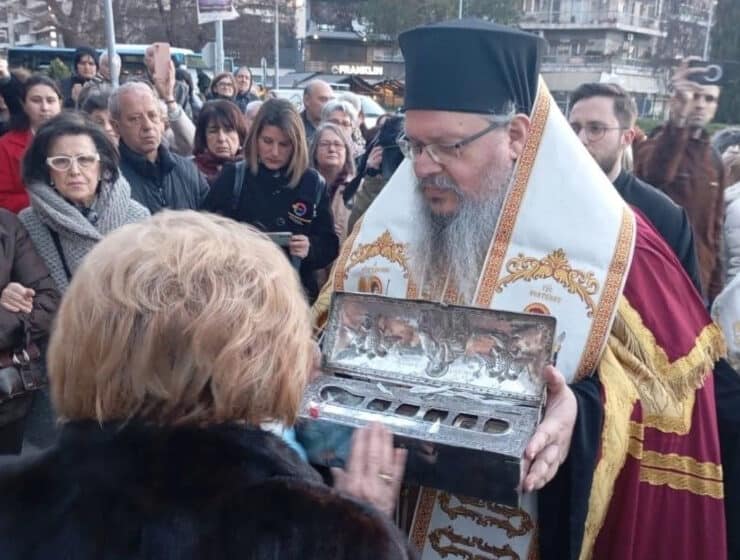
Greece’s main opposition party, SYRIZA, has sharply criticized local education authorities in central Greece after…
ORTHODOXY
News related to everything Orthodox.
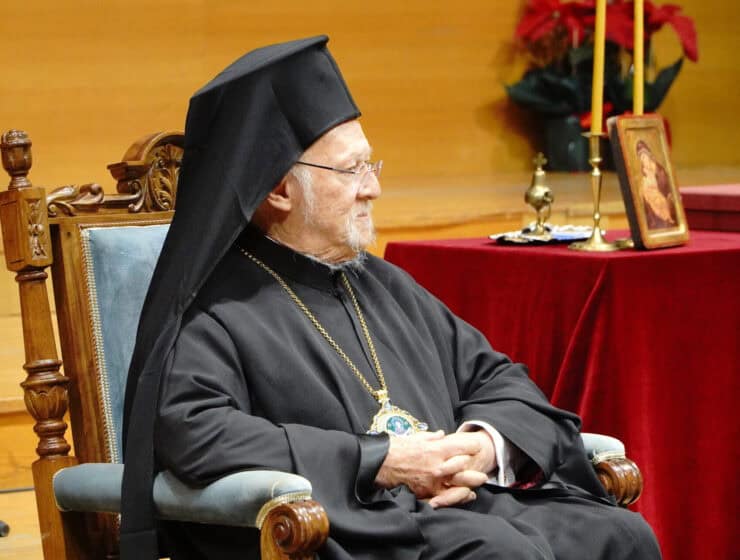
In his message for Holy and Great Lent 2025, His All-Holiness Ecumenical Patriarch Bartholomew reminds us that this is a time of “fasting and repentance, of spiritual vigilance and journey with the Lord,” culminating in “the veneration of His splendid Resurrection.” […] The faithful ‘encounter, recognize, and love one and the same Christ,’ […] our experience of faith is ‘unique’ and ‘profoundly personal’ as a freedom given to us by Christ, […] expressed as love and applied support to our concrete neighbor […] May all Orthodox Christians avail themselves of the opportunity to take hold of this glorious freedom now
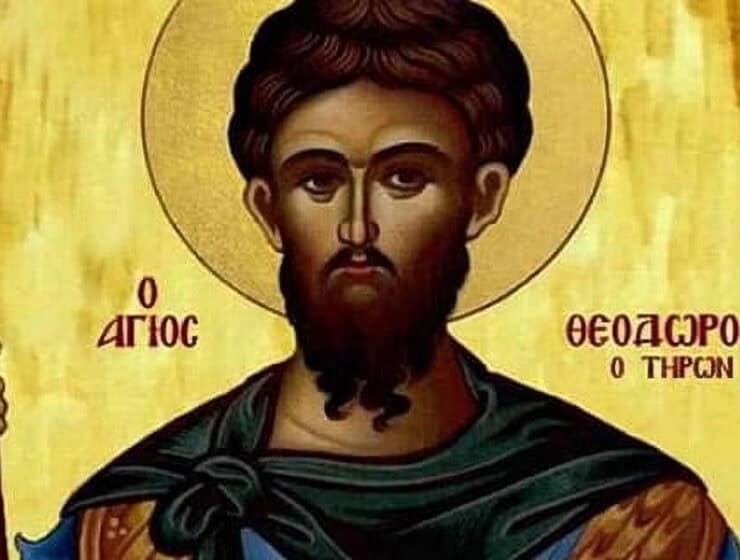
Today the Greek Orthodox Church remembers the miracle of Saint Theodore the Tyro and Kolyva (boiled wheat).

Cheese lovers rejoice as Tyrini, Greece’s beloved Cheesefare Week, begins. The final week before Great Lent is filled with traditional pies, dairy dishes and rich flavors, marking a joyful farewell to indulgence before the fasting period leading to Pascha.
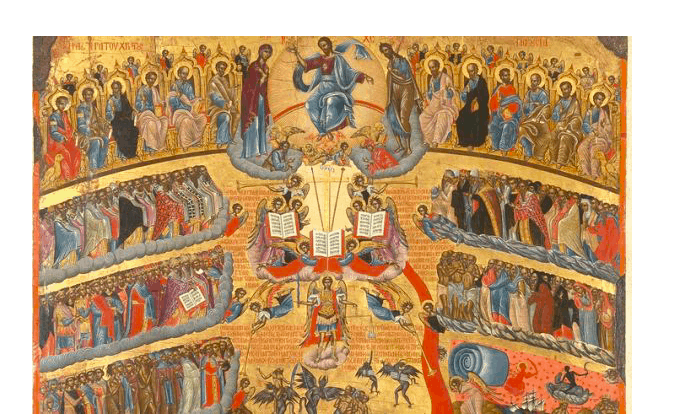
Today the Greek Orthodox Church commemorates Apokries, Meatfare Sunday, which is the last day of…
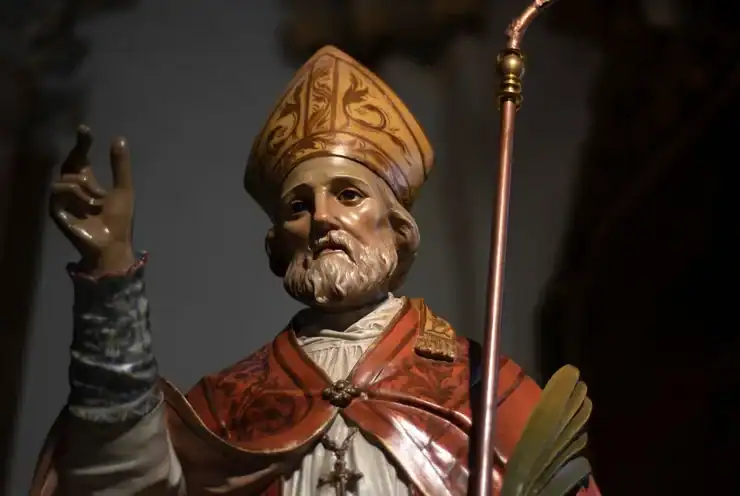
Discover the unique link between Saint Valentine and Mytilene, where his relics are kept in the Catholic church. Explore who the Orthodox Church honors as patrons of love instead of Valentine’s Day
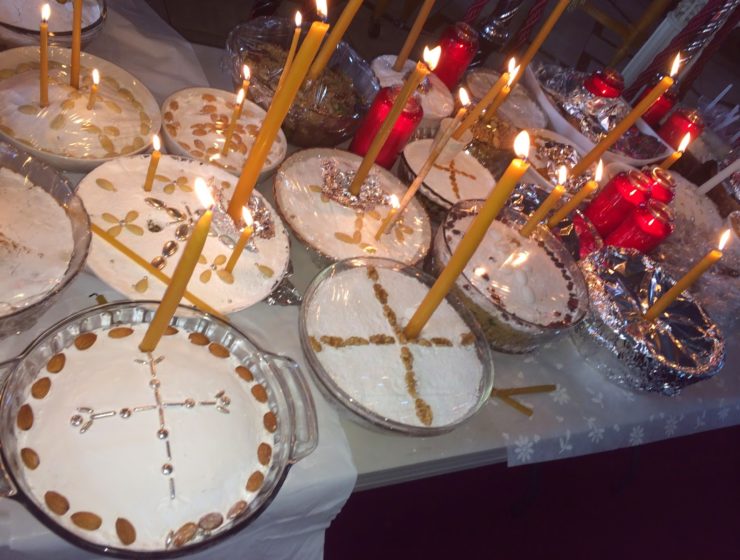
Today, Greek Orthodox Christians observe Psihosavato, one of the special Saturdays set aside in the liturgical calendar to remember the dead.
By Greek City Times Staff KAZAN – A court in the Russian city of Kazan…
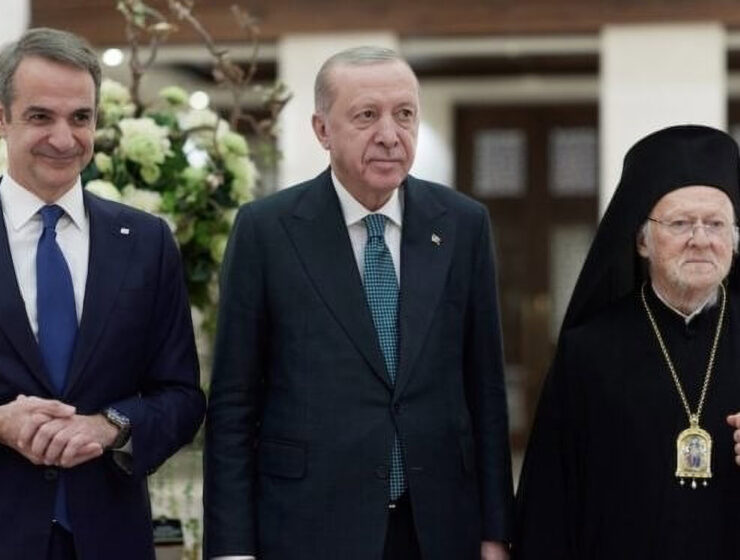
ANKARA, 12 February 2026 – The Ecumenical Patriarch Bartholomew attended a private dinner hosted by…
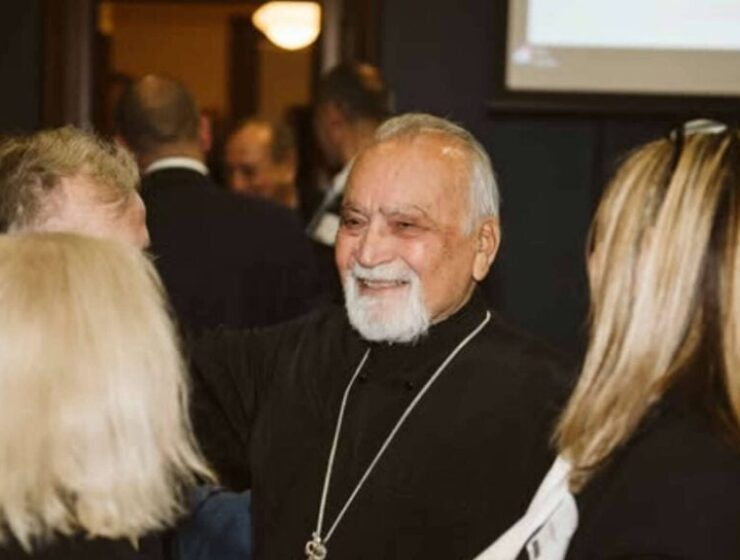
Long-serving parish priest Father Diogenes has stepped down from St George Greek Orthodox Church in Adelaide after 56 years, prompting emotional scenes and a response from the Archdiocese.
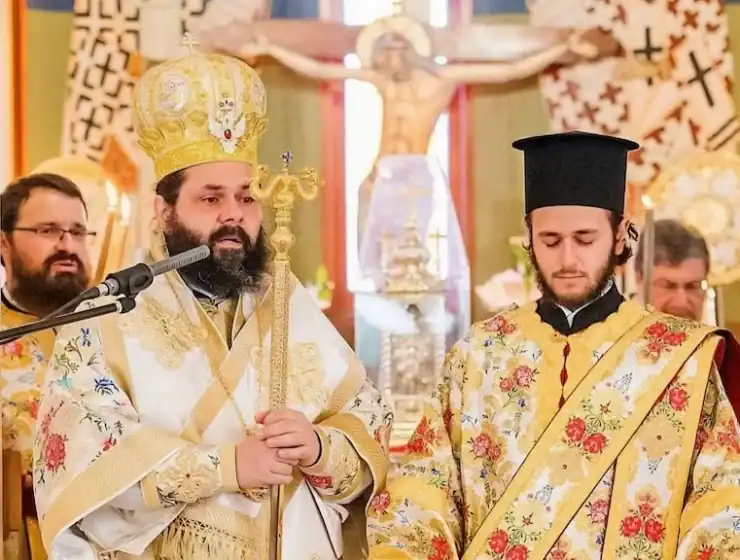
February 11, 2026 — The Holy and Sacred Synod of the Ecumenical Patriarchate has imposed…
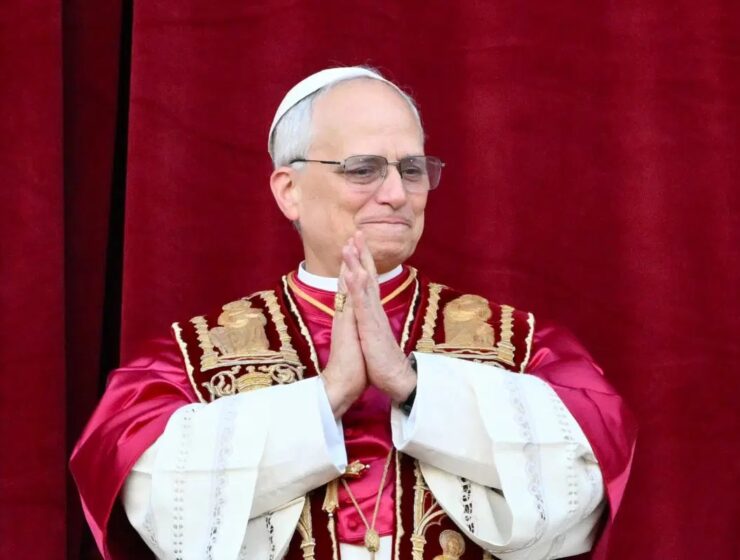
Pope Leo XIV has indicated his intention to visit Sydney in spring 2028 to preside over the International Eucharistic Congress, with Archbishop Anthony Fisher relaying the Pope’s response: “It’s still a way off, but I’ll be there.” The event will feature a major Eucharistic procession and final Mass expected to draw hundreds of thousands.
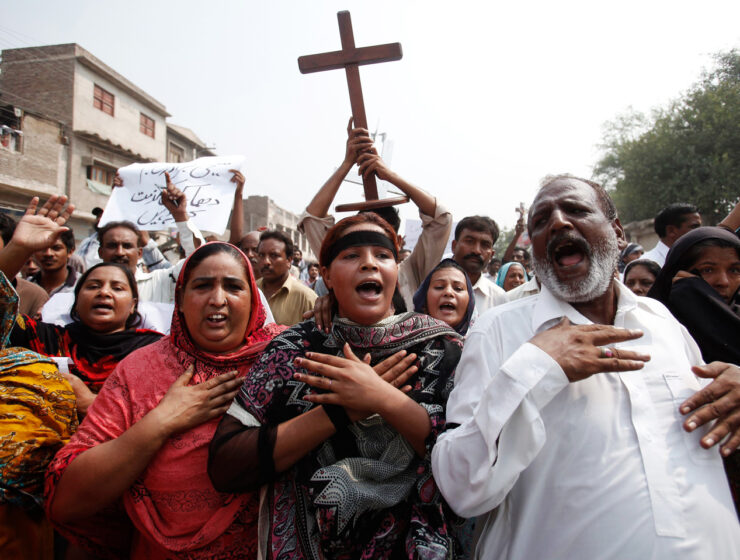
Strasbourg, February 9, 2026 – The European Court of Human Rights has taken up 20…
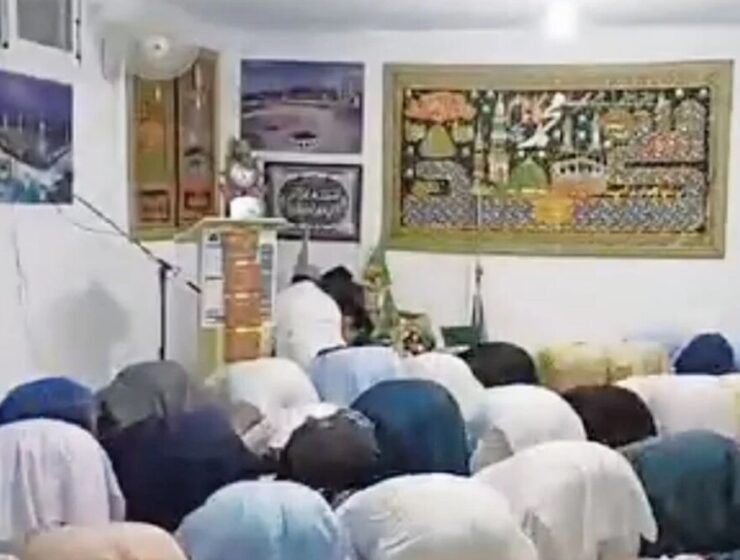
Greece ramps up enforcement against illegal worship centers nationwide. Operators face residence permit revocation and deportation, with the first case already underway in Athens’ Patisia neighborhood
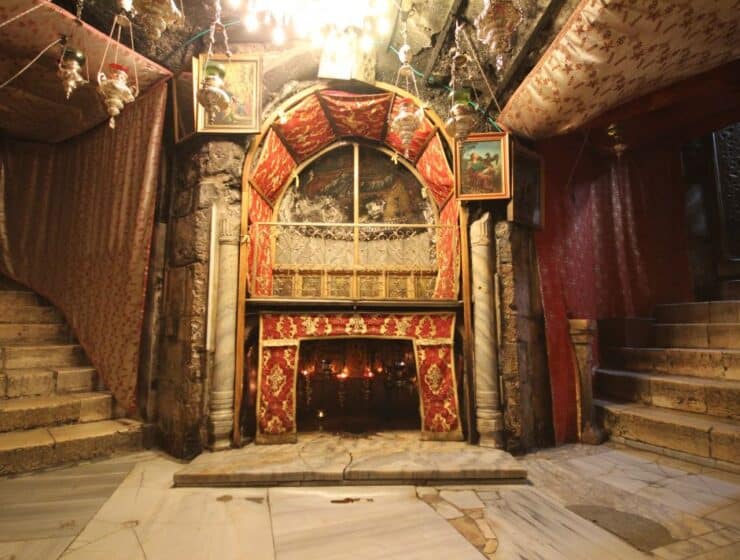
The Grotto of the Nativity in Bethlehem — believed to be Jesus’ birthplace — will undergo its first major restoration in 600 years. Greek Orthodox, Franciscan and Armenian churches unite on the project.
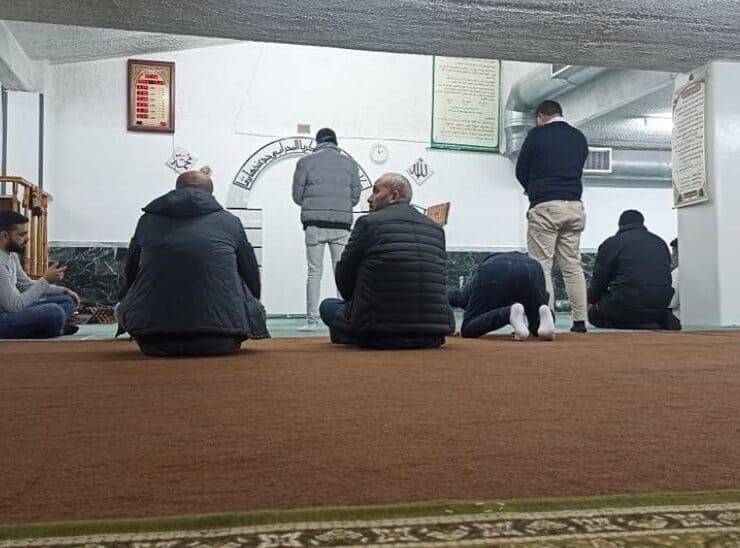
Greek authorities announced an operation to identify and close all illegal mosques in the Municipality…
The Ministry of Immigration and Asylum on Monday morning revoked the residence permit of a…
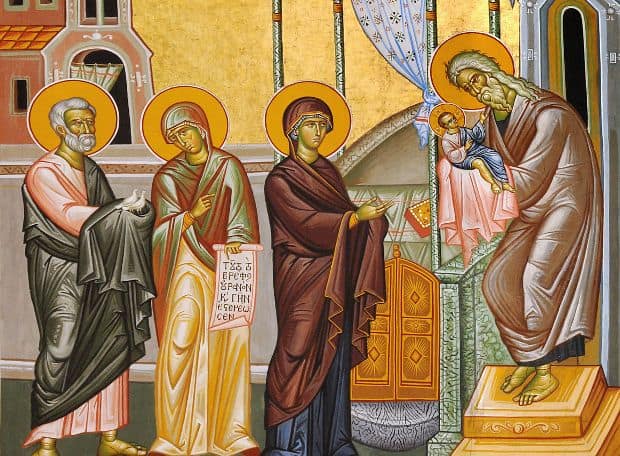
On February 2, the Greek Orthodox Church celebrates the Feast of the Presentation of…
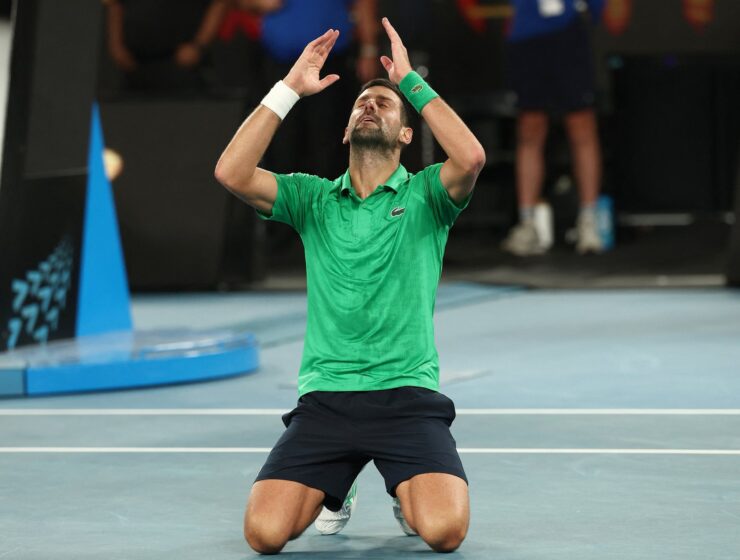
Novak Djokovic defeats Jannik Sinner in five-set thriller at Australian Open 2026 semifinal, drops to knees in thanks to God, advances to final against Alcaraz seeking record titles.

In Greek Orthodox tradition, nearly every day of the year honours a saint or martyr. When someone is named after that saint, their “name day” is celebrated with the same joy as a birthday, often bringing together family, friends, and community in a cherished cultural tradition.
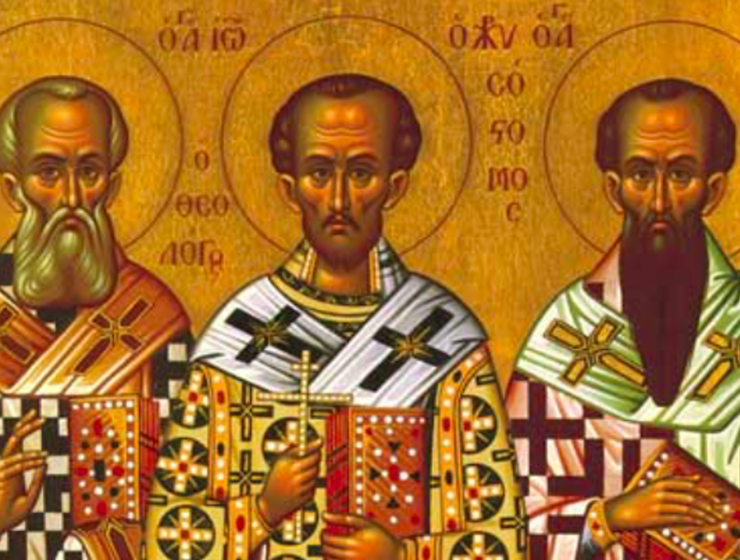
January 30 is the Feast Day of the Synaxis of the Three Hierarchs, St. Basil…
Most of John’s relics were looted from Constantinople by crusaders in 1204 and taken to Rome, but some of his bones were returned to the Orthodox Church on 27 November 2004 by Pope John Paul II. Since 2004 the relics have been enshrined in the Church of St. George, Istanbul.
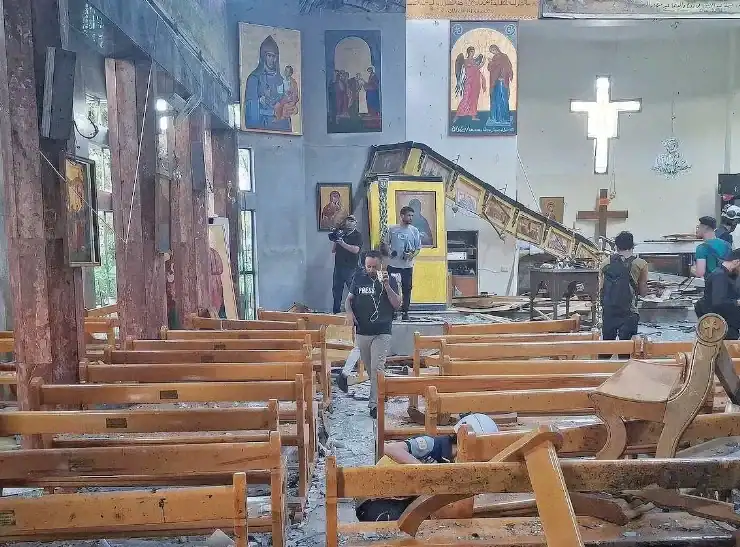
A millennia-old Greek legacy in Syria faces silent extinction through fear, flight, and exclusion. The Greek Orthodox community, once 10% of the population, now clings to survival in Damascus and beyond as institutional marginalization grows.
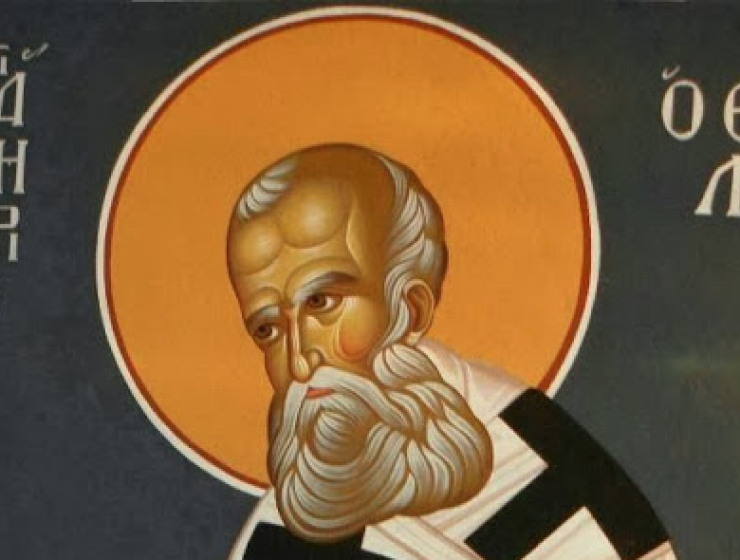
On January 25 the Greek Orthodox Church celebrates the Feast Day of Saint Gregory the…
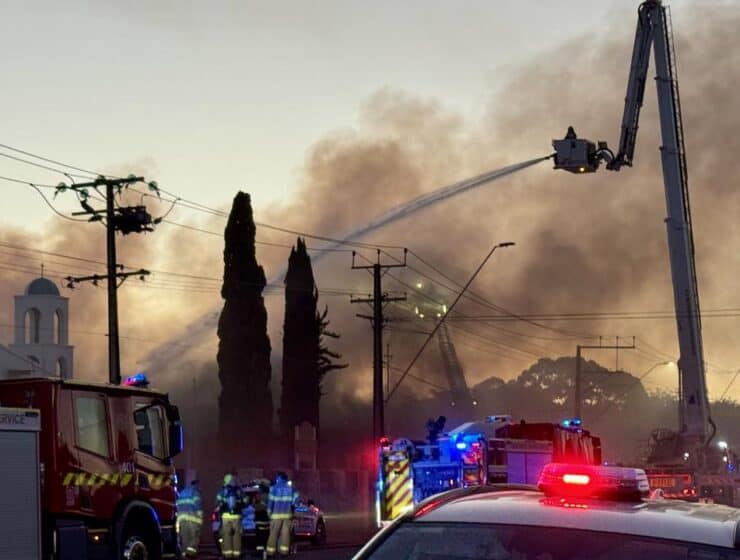
By Greek City TimesSydney, Australia – January 24, 2026 A devastating fire has razed a…
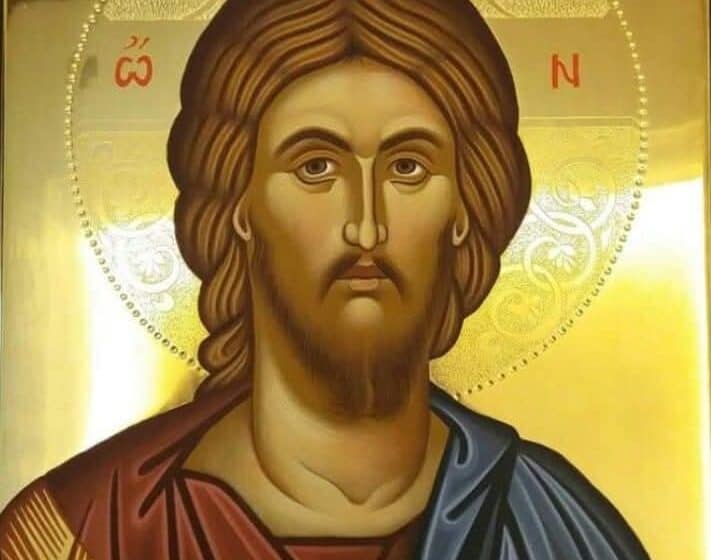
The long, untrimmed beards worn by Orthodox Christian priests and monks are far more than a style choice—they embody deep theological and historical meaning. Rooted in the Old Testament priestly tradition (as seen with Aaron and Moses, where beards signified dedication to God and avoidance of pagan customs), this practice continues in the Eastern Church as a sign of continuity with ancient Jewish customs. Most importantly, Orthodox clergy imitate Christ Himself, who is always depicted in holy icons with a full beard as a mature, humble man. Additional reasons include ascetic rejection of vanity, canonical guidelines discouraging shaving (to preserve God’s natural creation), and distinction from Western clerical norms. Today, this visible tradition remains a powerful symbol of spiritual maturity, humility, and fidelity to Holy Tradition in Orthodox Christianity.
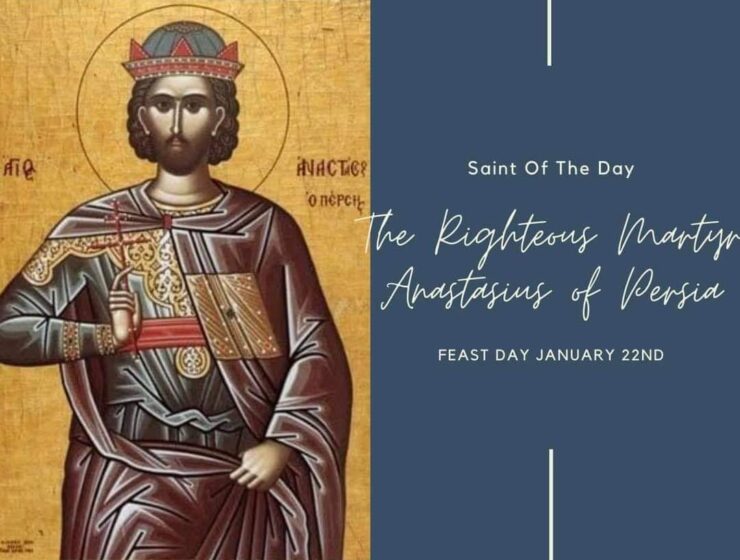
Saint Anastasius was a Persian by race, the son of a Magus, and a soldier in the Persian army in the days of Chosroes II, King of Persia, and Heraclius, Emperor of New Rome. The Saint’s Persian name was Magundat.

Published: January 22, 2026By Greek City Times Melbourne, Australia — On January 19 — the…
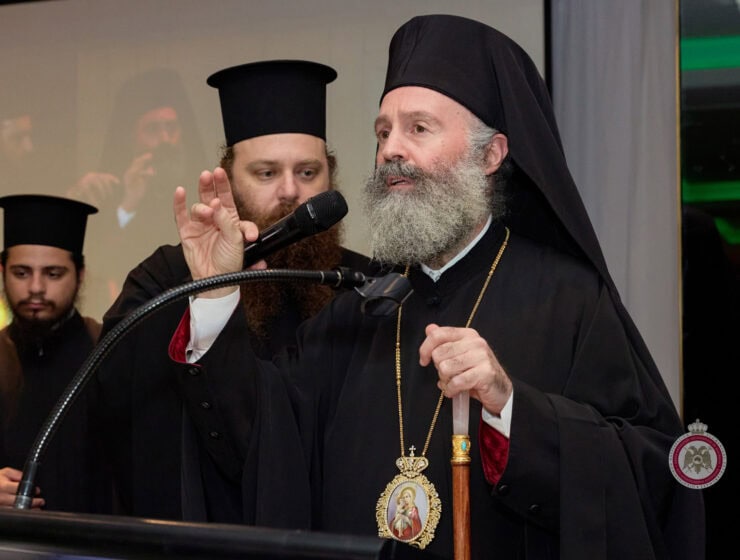
The Archbishop Makarios Name Day dinner in Sydney on January 19, 2026, featured high-profile guests, awards, and proceeds for church renovations, showcasing Greek Orthodox unity.
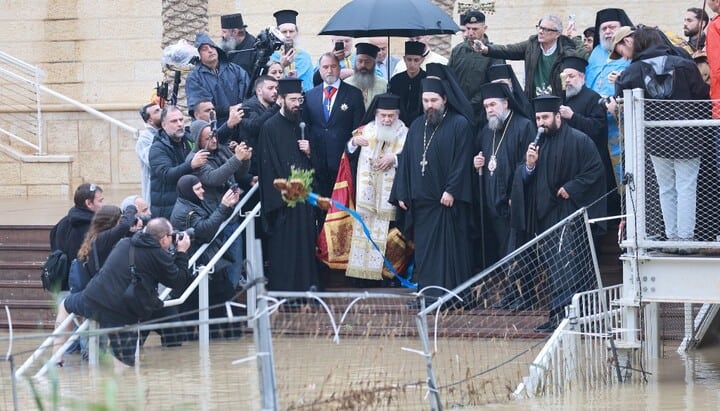
Patriarch Theophilos III leads Forefeast of Theophany celebrations at Jerusalem and River Jordan, immersing the Precious Cross in blessing amid heavy rain.
