

The official assumption of the Presidency of the Council of the European Union by the…
Tag: European integration

Greek Prime Minister Kyriakos Mitsotakis attended the 4th Ukraine–Southeast Europe Summit in Odessa on June 11, reaffirming Greece’s support for Ukraine and highlighting the city’s deep historical ties to the Greek diaspora. Mitsotakis pledged Greece’s involvement in Odessa’s reconstruction and will continue his regional tour with visits to Moldova and Sweden to strengthen bilateral and European partnerships.

The Greek Foreign Ministry has condemned recent statements by North Macedonia’s Prime Minister in the United States as a provocation and an attempt to revive a long-settled issue. Citing the importance of respecting the Prespa Agreement, Athens stressed that bilateral relations and North Macedonia’s European aspirations depend on avoiding irredentist claims and honoring past commitments.
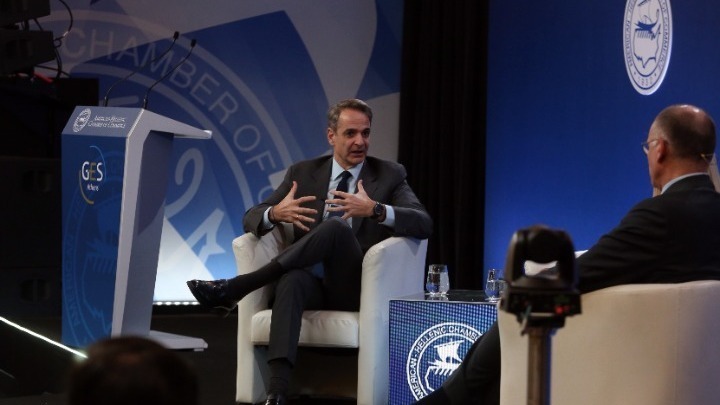
Prime Minister Kyriakos Mitsotakis discussed the future of EU-US relations and defense policy during a conversation at a Greek-American Chamber of Commerce event. He emphasized the need for greater European defense spending and a shift in NATO’s approach to security, alongside the impact of recent U.S. elections on transatlantic ties. Mitsotakis also shared insights on Greece’s strategic role within Europe and the global order.
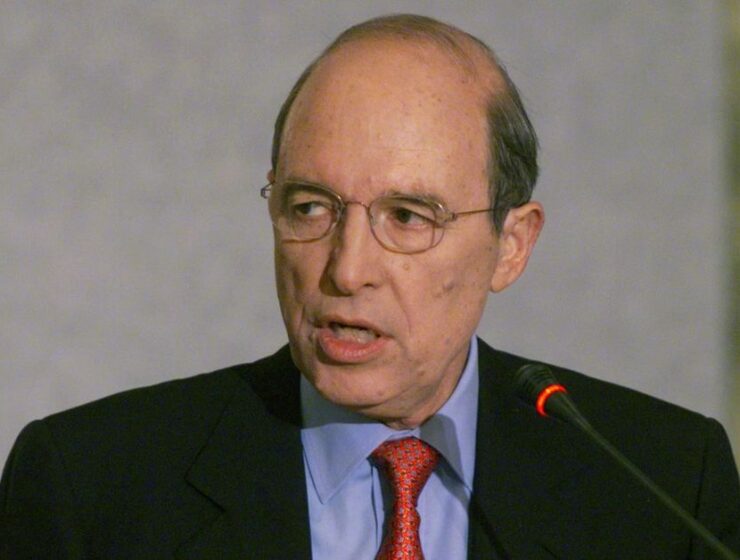
Greece has declared four days of national mourning following the death of former Prime Minister Costas Simitis. Simitis, who led the country from 1996 to 2004, is remembered for guiding Greece into the Eurozone and modernizing its political and economic landscape. Current Prime Minister Kyriakos Mitsotakis praised Simitis as a “noble political opponent” and a “catalyst in public life.” A state funeral will be held to honor his legacy.

Prime Minister Kyriakos Mitsotakis reaffirmed Greece’s support for the EU accession of Western Balkan countries, stressing the need for reforms to align with European standards. He emphasized the importance of accelerating Serbia’s EU path for regional stability and highlighted Greece’s role in supporting Albania’s European integration.

Bulgaria and Romania are set to become full members of the Schengen Area from January 1, 2025, with the removal of land border controls. This historic decision will facilitate travel and boost economic cooperation within the EU.

The European Union has granted Bulgaria and Romania full membership in the Schengen Area, lifting land border controls starting January 1. This historic move allows seamless travel across borders, boosting trade, tourism, and economic integration. Leaders from both nations hailed the decision as a milestone for European unity and a major benefit for their economies. Despite concerns over migration, the announcement underscores the Schengen zone’s role in fostering freedom of movement and cooperation across Europe.
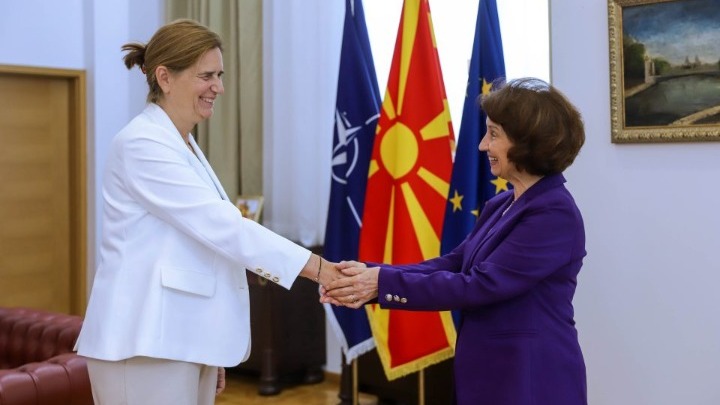
Greek Ambassador Sophia Philippidou met with North Macedonian President Gordana Siljanovska-Davkova to discuss strengthening bilateral relations and enhancing cooperation between the two countries. Key topics included North Macedonia’s European integration, the implementation of the Prespa Agreement, and opportunities for collaboration in areas such as trade, infrastructure, education, and tourism.

At the 28th Economist Government Roundtable, spokesman Pavlos Marinakis called for “more, faster, and deeper reforms” to improve daily life in Greece and the EU. He addressed voter abstention, the rise of extreme parties, and highlighted Greek policies like subsidized housing loans and tax cuts for young families.
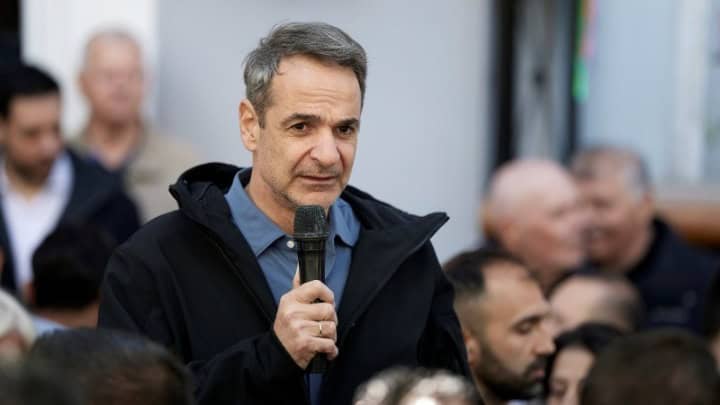
ATHENS, Greece – In the final stretch before the European parliamentary elections, Greek Prime Minister…
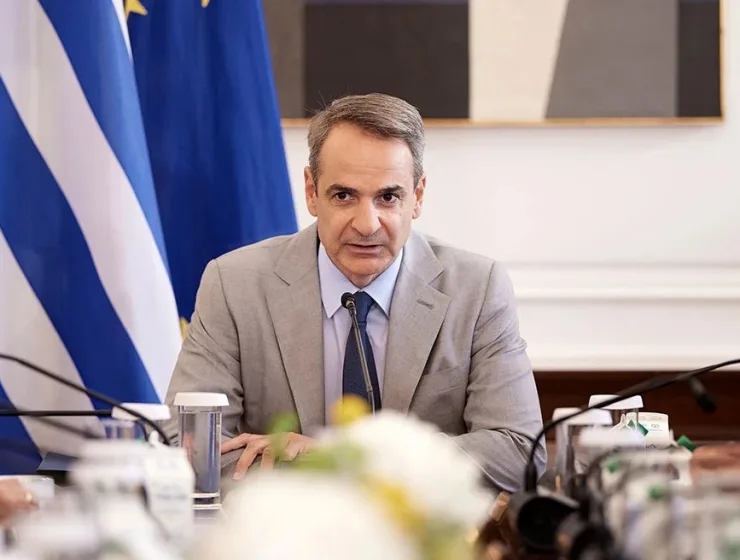
Greek Prime Minister Kyriakos Mitsotakis has strongly condemned the recent decision by the new President…
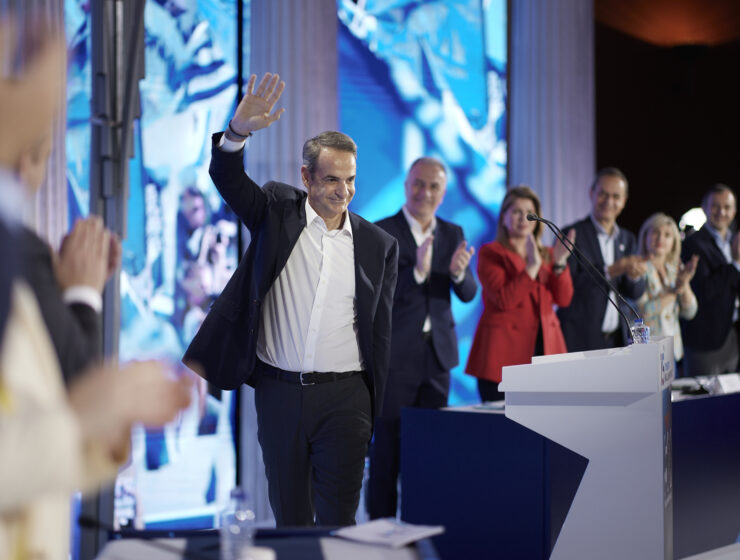
In a speech wrapping up the 15th Congress of the ruling New Democracy party on…
