
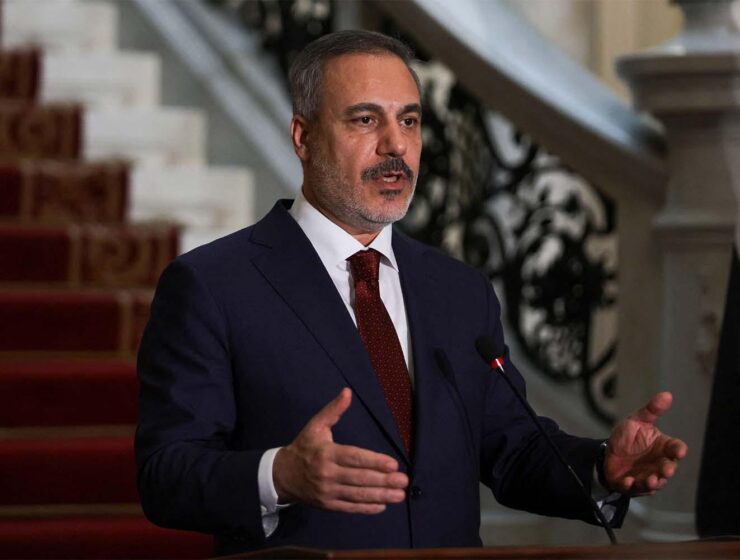
FM Fidan rejects Israeli, Arab & Persian expansionism, but Turkey’s Blue Homeland strategy overlaps Greek & Cypriot EEZs and maintains control over northern Cyprus since 1974.
Tag: regional stability
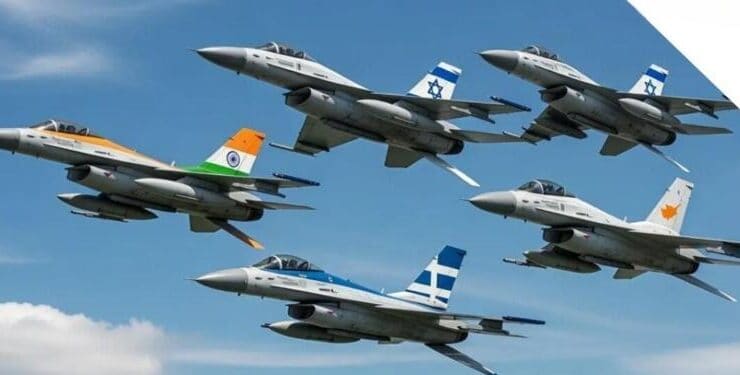
Retired Indian Air Marshal Anil Chopra proposes a “Mediterranean QUAD” with India joining Greece, Cyprus, and Israel to balance an emerging Turkey-Pakistan-Saudi “Islamic NATO”. Explore the strategic implications for Eastern Mediterranean stability.
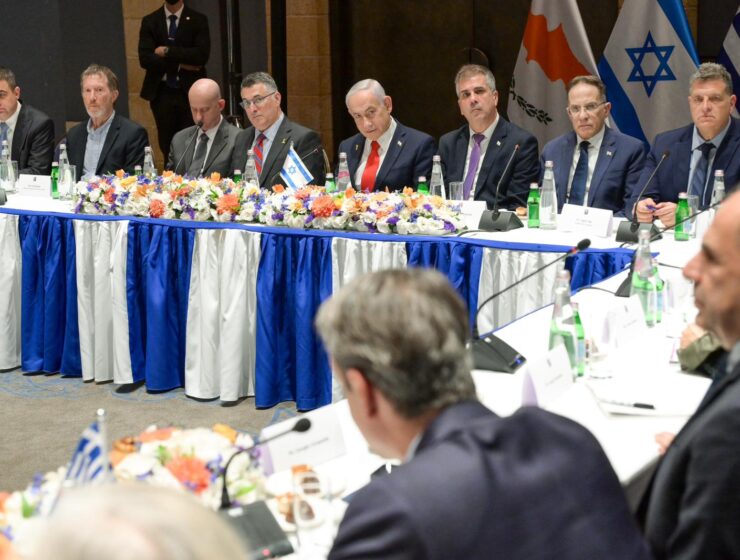
Greek Prime Minister Kyriakos Mitsotakis highlighted Greece’s emerging role as a key energy hub in the Eastern Mediterranean during the 10th Trilateral Summit with Cyprus and Israel in Jerusalem. He emphasized resilient cooperation for regional stability, condemned antisemitism, and discussed energy projects, maritime security, and broader Middle East issues including Gaza, Lebanon, and post-Assad Syria.
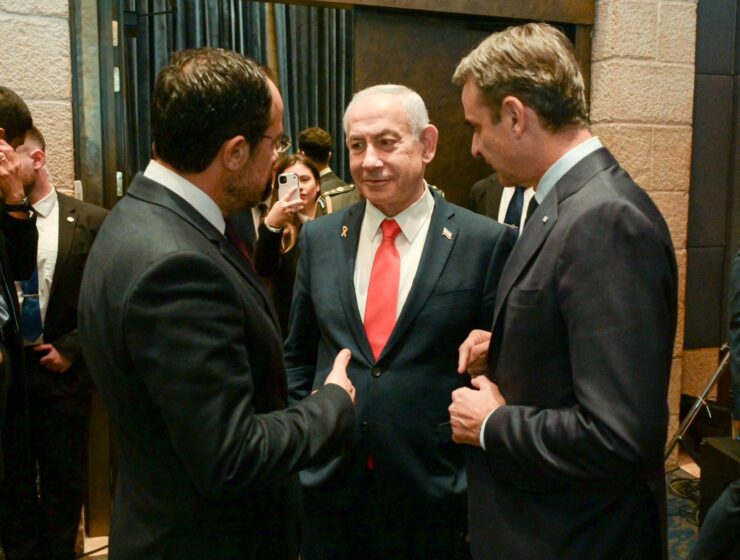
At the 10th Trilateral Summit in Jerusalem on December 22, 2025, leaders from Israel, Greece, and Cyprus signed a joint declaration to deepen cooperation in energy, defense, innovation, and tourism, reaffirming the alliance’s role in promoting stability in the Eastern Mediterranean.
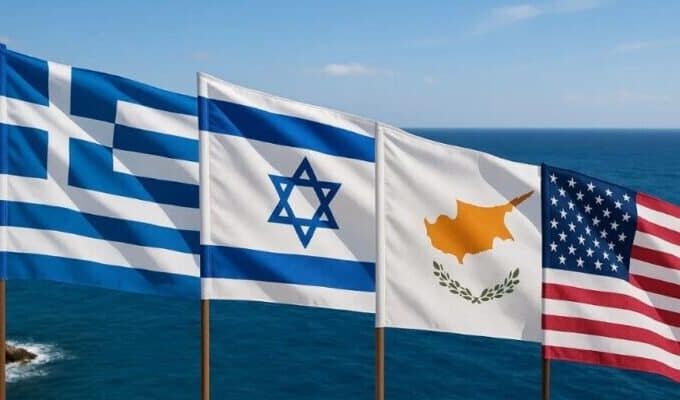
President Nikos Christodoulides travels to Israel on 22 December 2025 for bilateral meetings and the 10th Trilateral Summit with Greece and Israel, focusing on energy, defence, cybersecurity, and regional challenges in the Eastern Mediterranean.
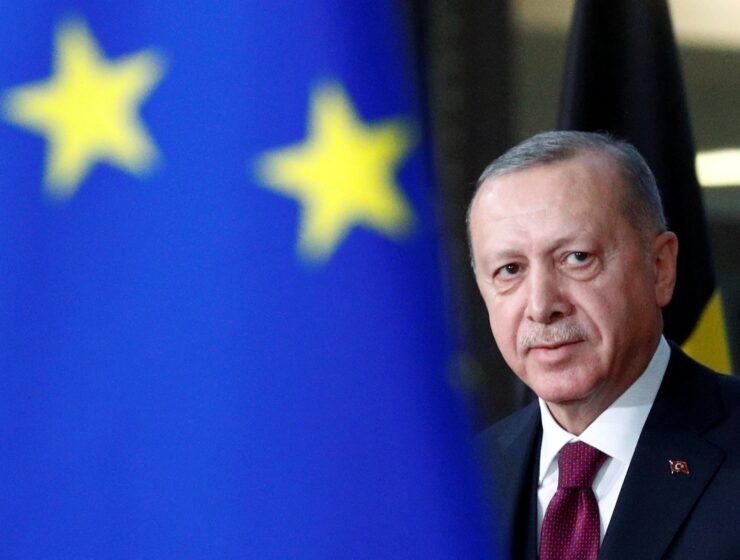
President Erdoğan reaffirms Turkey’s strategic goal of full EU membership while warning of escalating Russian threats to shipping in the Black Sea, as Ankara positions itself as an island of stability amid regional crises.

In a period marked by geopolitical upheaval and international uncertainty, the dynamics of Greek-Turkish relations…
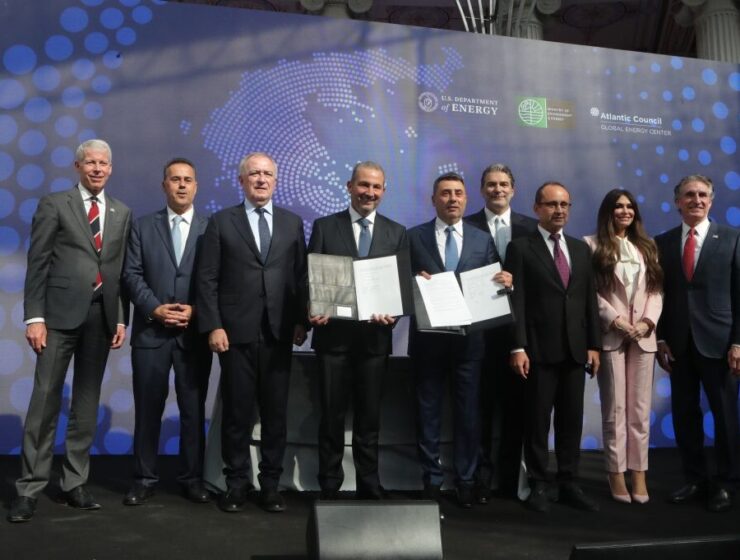
Greece and the United States are entering a new era of cooperation, with a focus…

The United States welcomed the adoption of a United Nations Security Council resolution on Gaza,…

United States Secretary of State Marco Rubio is scheduled to meet today with Cyprus Foreign…
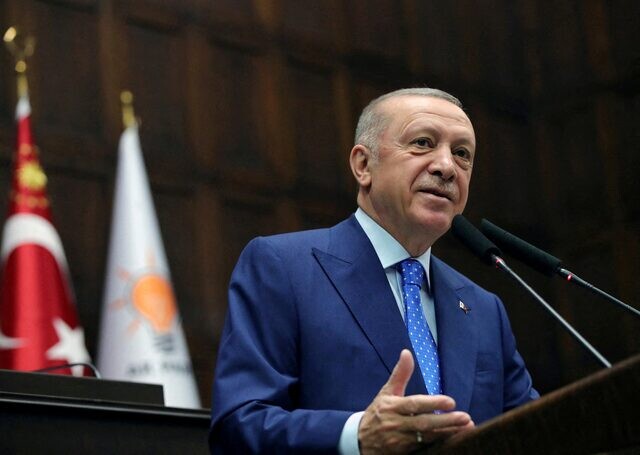
Turkish President Recep Tayyip Erdogan says Turkey respects the sovereignty of neighboring countries and has no territorial or resource ambitions, highlighting the military’s role as a stabilizing force in the region.

In a symbolic ceremony in Athens, Prime Minister Kyriakos Mitsotakis—despite recovering from COVID-19—joined Defense Minister Nikos Dendias to unveil the new bioclimatic facade of Greece’s Pentagon building. The modern design, blending sustainability with echoes of ancient columns and the fustanella, honors 121,000 fallen soldiers while reflecting the armed forces’ €28 billion modernization, including Rafale, F-35 jets, and Belharra frigates. As leaders celebrated heritage and strength, military unions protested nearby against a controversial reform bill.
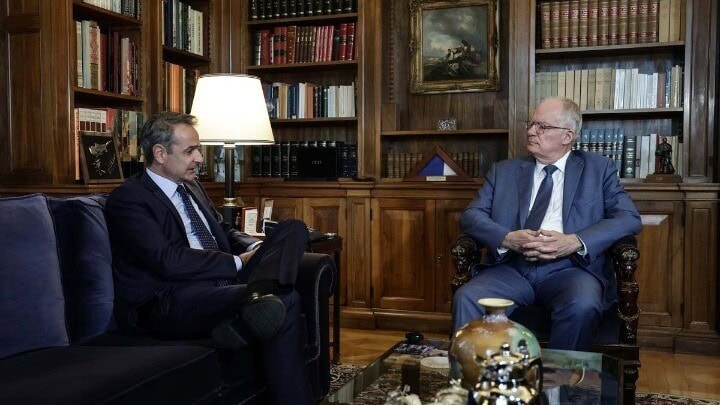
Prime Minister Kyriakos Mitsotakis and President Constantine Tassoulas expressed optimism that the upcoming peace agreement to be signed in Sharm el-Sheikh could mark a turning point for the Middle East. During their meeting on Monday, Mitsotakis highlighted Greece’s role as a credible mediator and pillar of stability in the Eastern Mediterranean, while Tassoulas underlined the historic nature of the initiative and Greece’s readiness to contribute to reconstruction efforts in Gaza.

Serbian President Aleksandar Vučić accused Turkey of destabilizing the Western Balkans by supplying Skydagger drones to Kosovo, claiming Ankara seeks to revive the Ottoman Empire. Kosovo’s President Vjosa Osmani countered, mocking Vučić’s criticism of a NATO ally while highlighting Kosovo’s focus on NATO-aligned defense upgrades
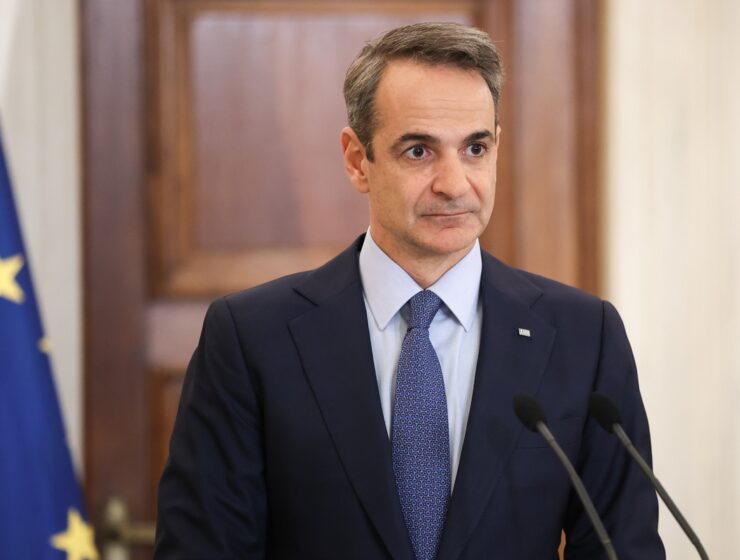
Greek Prime Minister Kyriakos Mitsotakis and U.S. Secretary of State Marco Rubio discussed strengthening Greek-American relations, boosting U.S. investments in Greece, and addressing regional challenges, including Libya, migration, the Middle East, and Ukraine, during a telephone conversation on Thursday.

Greece has described Egypt’s diplomatic response to its recent maritime spatial planning initiative as “expected,”…
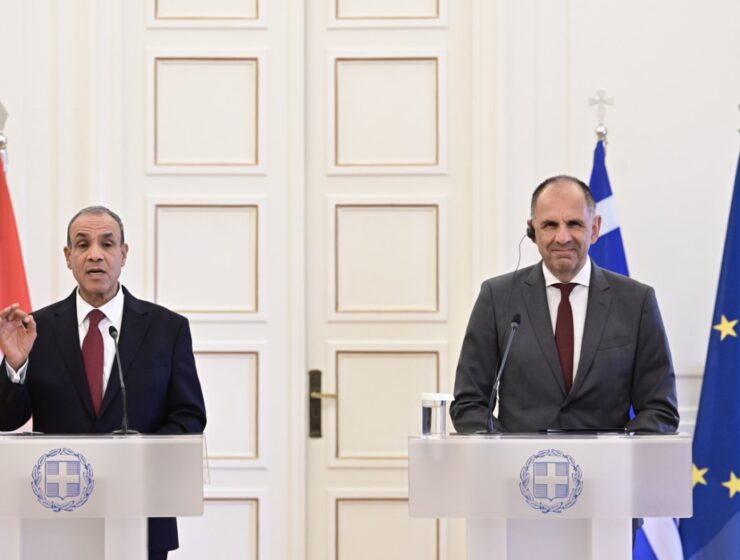
In a significant meeting in Athens, Greek Foreign Minister George Gerapetritis and Egyptian counterpart Badr Abdelatty reaffirmed their commitment to preserving the Hellenic Orthodox character of Saint Catherine’s Monastery in Sinai. Abdelatty announced an upcoming agreement with the monastery, dismissing rumors about its future as “baseless,” while Gerapetritis emphasised the shared goal of maintaining its 15-century status quo. The talks also highlighted the strong Greece-Egypt partnership, addressing regional stability, migration, and maritime delimitation.

Greek Prime Minister Kyriakos Mitsotakis attended the 4th Ukraine–Southeast Europe Summit in Odessa on June 11, reaffirming Greece’s support for Ukraine and highlighting the city’s deep historical ties to the Greek diaspora. Mitsotakis pledged Greece’s involvement in Odessa’s reconstruction and will continue his regional tour with visits to Moldova and Sweden to strengthen bilateral and European partnerships.
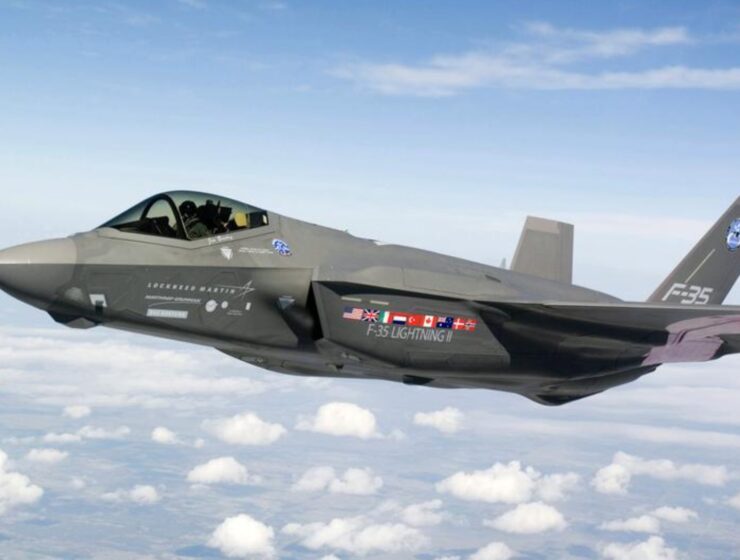
The new U.S. administration is paving the way for Turkey to acquire F-35 fighter jets, signaling an end to sanctions imposed under CAATSA in 2020 over Ankara’s purchase of Russian S-400 systems. While the White House pushes to lift restrictions, Greece and Israel are intensifying efforts in Congress to highlight the risks of arming Turkey, fearing a shift in the Eastern Mediterranean’s military balance. The initial delivery of six paid-for F-35s could proceed, but further sales face congressional hurdles and regional concerns.

First Four F-35 Fighters to Be Delivered to Greece in 2028, Followed by Four More in 2029

Greek Foreign Minister George Gerapetritis held phone calls with his Indian and Pakistani counterparts, welcoming a recent ceasefire and urging continued de-escalation. He reaffirmed Greece’s firm stance against terrorism and emphasized the importance of peaceful dispute resolution, aligning with Greece’s UN Security Council presidency priorities of dialogue, democracy, and diplomacy.

Greek President Konstantinos Tassoulas made his first official trip abroad to Cyprus this week, underscoring the enduring ties between the two nations and renewed momentum in efforts to resolve the Cyprus issue. During his visit, Tassoulas met with President Nikos Christodoulides, visited symbolic sites including the Buffer Zone and ELDYK memorial, and reaffirmed Greece’s support for a UN-backed solution to the island’s division.
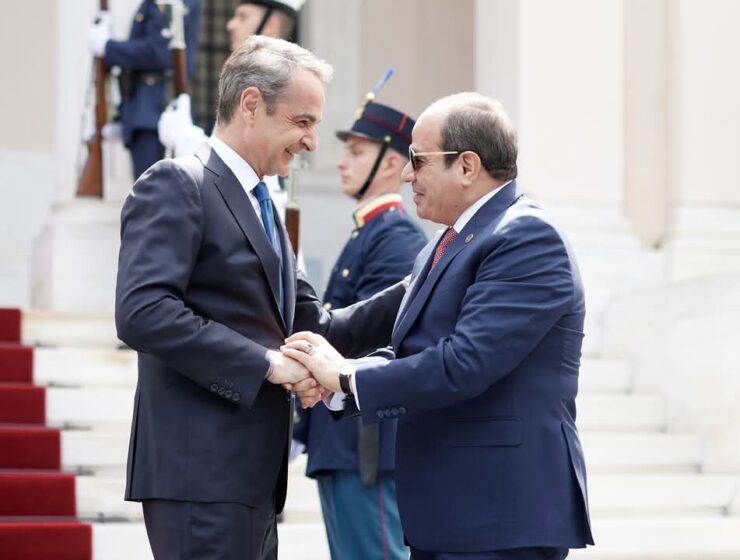
Greece and Egypt signed a strategic partnership agreement in Athens to deepen political coordination and enhance stability in the Eastern Mediterranean. The agreement, signed during the first Supreme Cooperation Council meeting, opens new avenues for cooperation in energy, trade, and migration, with the GREGY Interconnector highlighted

The European Parliament has halted Turkey’s EU membership bid, citing a deepening democratic crisis and violations of Greek and Cypriot sovereignty. The report, adopted on May 7, 2025, condemns Turkey’s judicial interference, the arrest of Istanbul mayor Ekrem İmamoğlu, and ongoing threats like the “Blue Homeland” doctrine. While praising Turkey’s refugee efforts, the EP urges respect for international law and a shift toward a strategic EU partnership.

US lawmakers, in a bipartisan letter, urged the State Department to stop Turkey’s plan to transfer Russian S-400 missile systems to Syria, warning it could destabilize the region, undermine Israel’s military edge, and complicate US interests. The move would not lift CAATSA sanctions and risks escalating tensions, they argue.

The potential revival of the EastMed pipeline under Donald Trump’s leadership signals a renewed push for energy cooperation between Greece, Cyprus, and Israel. Designed to transport Eastern Mediterranean natural gas to Europe, the project strengthens regional stability, enhances Europe’s energy independence, and reinforces the geopolitical significance of the participating nations. With renewed U.S. support, EastMed could become a key pillar of Western energy security.

Armenia, a nation deeply rooted in Christian heritage, faces a pivotal moment as it navigates complex geopolitical tensions and cultural challenges. Following Azerbaijan’s military offensive in 2023, which led to the displacement of over 100,000 ethnic Armenians from Nagorno-Karabakh, the region remains fraught with uncertainty. As peace talks progress, Armenia’s historical pivot toward the West and steps to join the European Union mark a significant shift from its longstanding ties with Russia. These developments raise pivotal questions about Armenia’s cultural identity, security, and its place on the international stage.
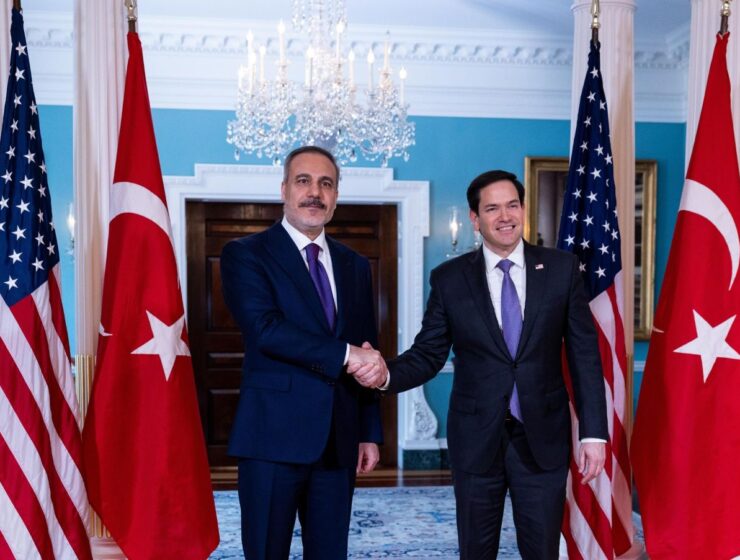
U.S. Secretary of State Marco Rubio voices concerns over the ongoing protests and mass detentions in Turkey, sparked by the arrest of Istanbul Mayor Ekrem Imamoglu, highlighting tensions as nearly 1,900 people have been detained amid nationwide demonstrations.
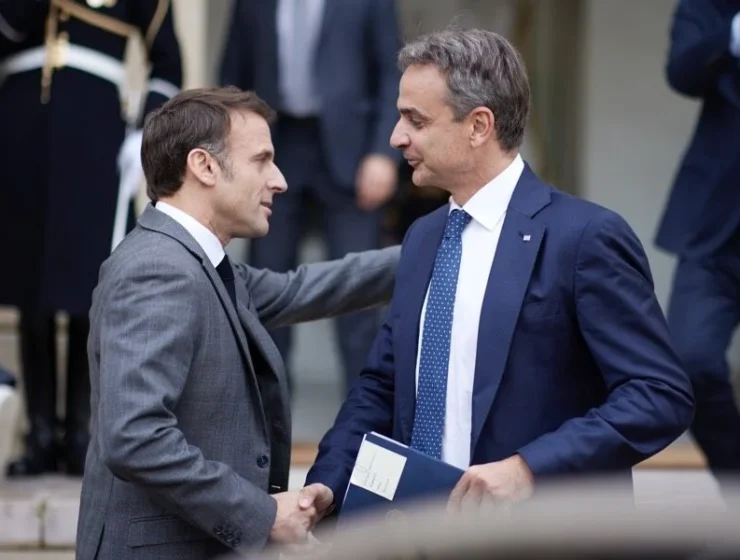
Greek Prime Minister Kyriakos Mitsotakis is in Paris today for a high-stakes summit on Ukraine’s peace and security, hosted by French President Emmanuel Macron. On Friday, he will make history in the first-ever Greece-France-Cyprus-Lebanon leaders’ meeting, reinforcing Greece’s role as a regional stabilizer. With a subsequent trip to Israel planned, Mitsotakis is positioning Greece at the heart of international diplomacy.

In a recent interview with Fox News, Greek Minister of Foreign Affairs, George Gerapetritis, discussed Greece’s approach to regional stability and international relations, focusing on the situation in Syria, relations with Turkey, diversification of international partnerships, and strengthening ties with the US. He emphasized the need for inclusive institutions in Syria, adherence to international law in resolving maritime disputes with Turkey, and the strategic importance of new corridors like the India-Middle East-Europe Corridor.
