
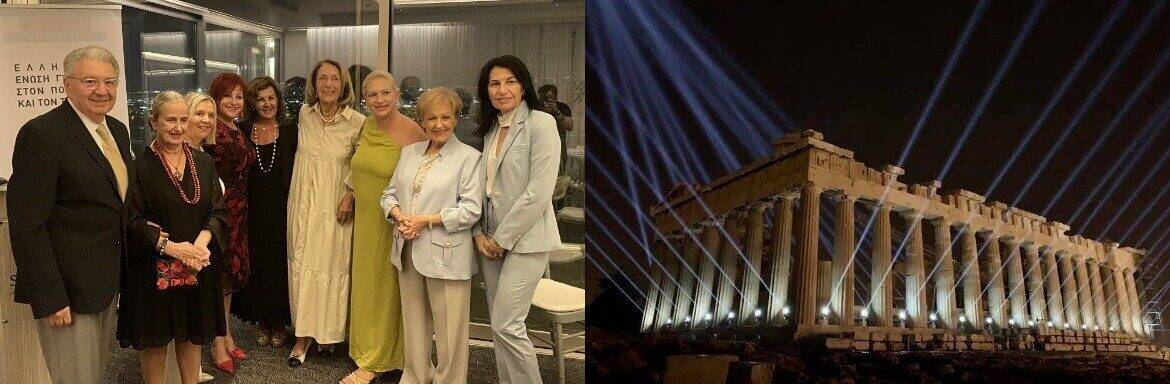
The famed Greek actress and cultural icon Melina Mercouri embodied the spirit of Greek women's social activism on the world stage.
The late Culture Minister’s renowned passion for the Parthenon Marbles has been reignited during a recent event held in Athens when leading Greek women’s associations from Greece and the United States, together with a group from Australia, joined forces to reaffirm their advocacy for the reunification of the Elgin collection of Parthenon Sculptures currently held in the British Museum.
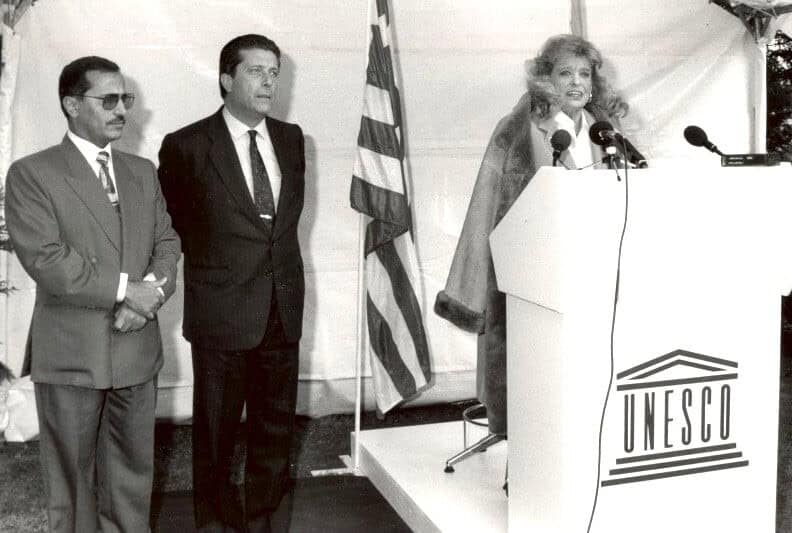
The Hellenic Association of Women in Culture and Tourism (HAWCT Greece), the Hellenic American Women’s Council (HAWC USA), and Australia’s Food For Thought Network gathered at the St George Lycabettus Lifestyle Hotel to host the event called “The Voice of Women of Hellenism”.
Under the gaze of the Acropolis, these organisations reiterated their call for the Parthenon Sculptures to be returned to their rightful home in Athens.
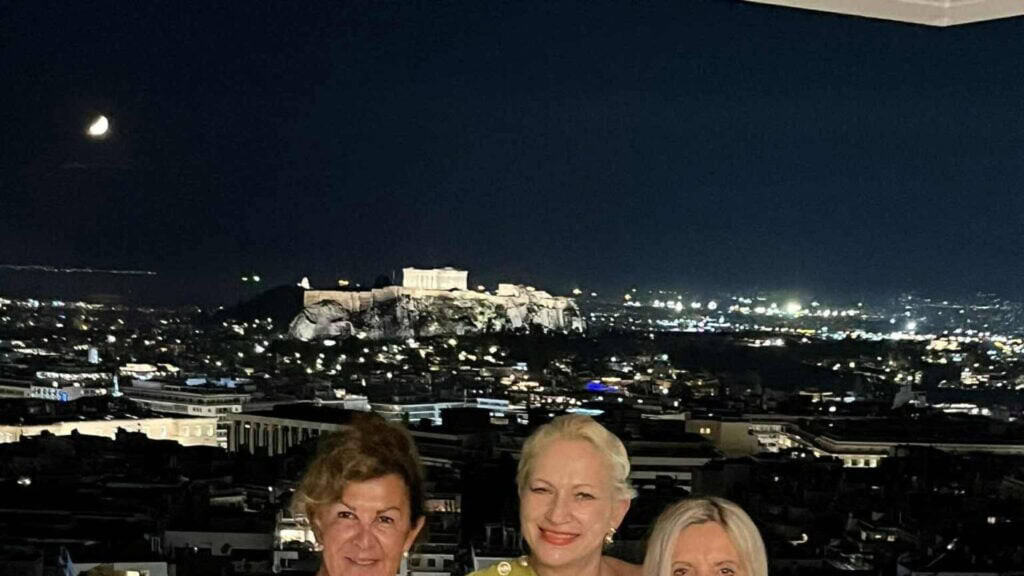
As Chrysa Voulgaridou, the President of HAWCT Greece, declared:
“Every step we take is not just an event, it is a promise: to continue until the Sculptures return to their rightful home, the Parthenon. Strength lies in unity.”
Guest speakers included Olympia Anastasopoulou, Special Secretary for Alternative Dispute Resolution at the Ministry of Justice, who recently proposed the creation of an Anglo-Hellenic Dialogue Council for the Parthenon Sculptures case. She highlighted the potential of mediation in resolving international cultural disputes, suggesting that alternative dispute resolution could offer a mutually beneficial solution and serve as a bridge for cultural diplomacy between Greece and the UK.
Another distinguished guest speaker was Lila de Chaves, ethnologist and a founding member and President of the Hellenic Federation of Friends of Museums, who described the Parthenon Sculptures as “the soul of Greece.”
The historian Sissy Papathanasiou, Head of the Literature Department at the Ministry of Culture, also delivered a paper, “The Reception of Greek Antiquity and the Diaspora”.
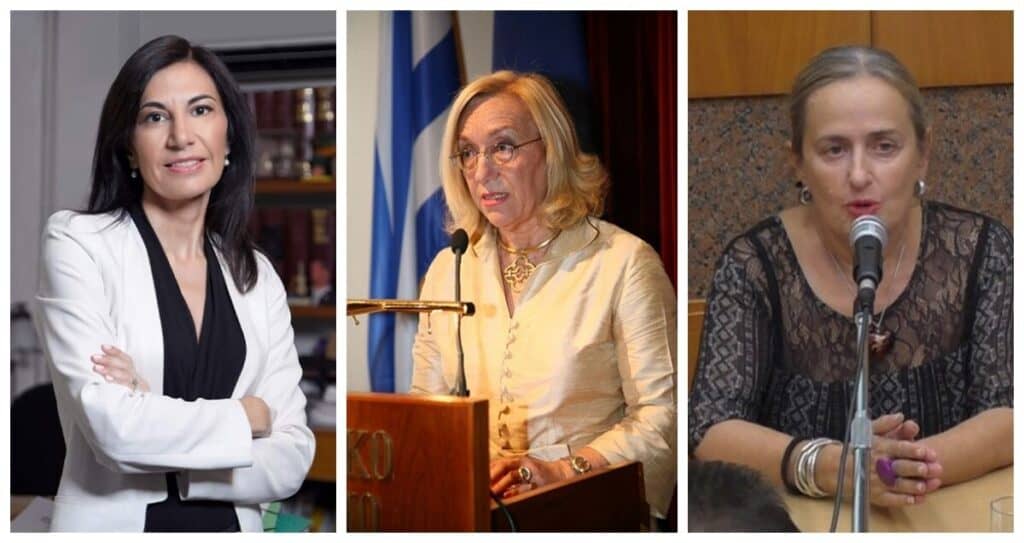
Other presentations included “The Parthenon and the Return of the Sculptures — a Demand for Justice and Culture” by Dr Mary Marouli Zilemonou, an eminent political scientist.
Back in May 2000 Dr Zilemonou, in her capacity as Secretary-General of the Centre of European Studies and Humanities (“Ioannis Kapodistrias’) had helped organise a landmark international conference in Athens - “The Restitution of the Parthenon Marbles and the European Union : A Historical – Cultural – Legal Approach” – and was the editor-in-chief of the published volume of the proceedings, titled “The Parthenon: The Repatriation of the Sculptures”.
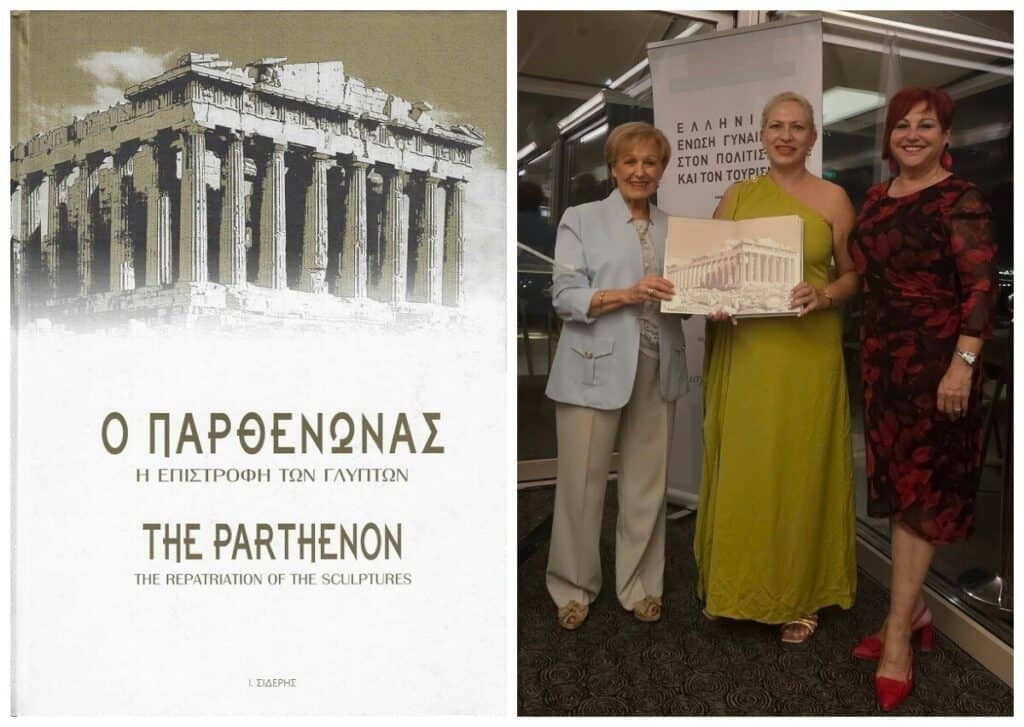
This writer attended that conference and the publication remains an important academic contribution to the field of cultural restitution studies.
The historian Sissy Papathanasiou, Head of the Literature Department at the Ministry of Culture, also delivered a paper, “The Reception of Greek Antiquity and the Diaspora”.
The evening concluded with moving recitations from the works of the Greek poets Kostis Palamas and Ioannis Polemis and the great Philhellene, Lord Byron, curated by Dr. Eugenia Arsenis, a director and dramaturg with a doctorate in philosophical aesthetics.
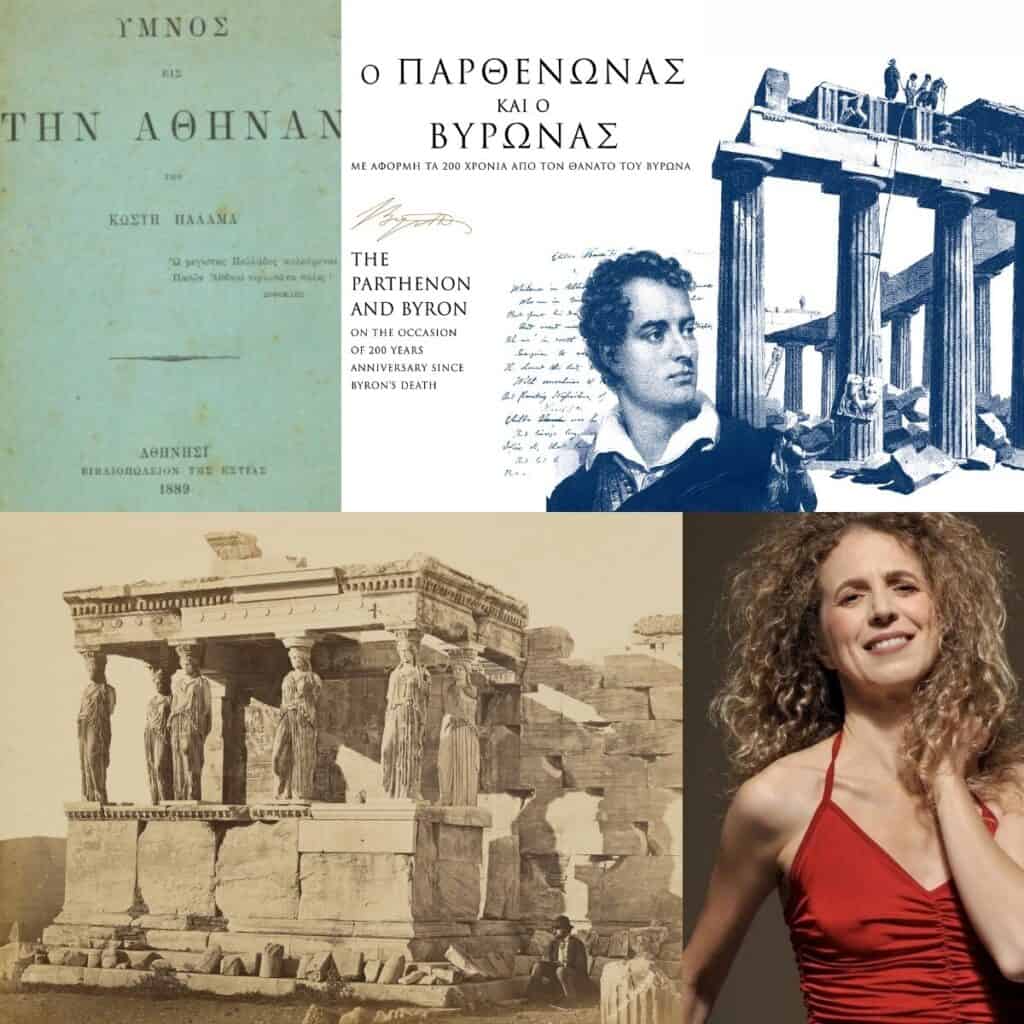
Kostis Palamas’ Hymn of Athena (1889) evoked the glory of Classical Athens and praised the “Great Goddess of the world”, the divinely-created Athena, for the wisdom and achievements embodied in her sacred earth and monuments.
Ioannis Polemis’ poem Caryatids was no less evocative, poignantly reflecting on the absence of the missing Caryatid and expressing hope for her eventual return:
Before the Caryatids, those marble maidens,
we stood in awe, hours upon end
Your gaze unmoving, shadowed with sorrow
for the one stolen from us,
the one whose absence haunts the others,
lost to exile, swallowed by darkness,
cast to the farthest reaches of the world.
Yet I saw them whole, each one complete before me,
and whispered hope: she too will return from distant lands.
For, my love, as I counted them,
I counted you among them -
never apart, always together.
And finally, as we know, Lord Byron was a fierce opponent of Lord Elgin’s removal of the Parthenon sculptures and furiously denounced Elgin’s actions in his poems, The Curse of Minerva and Childe Harold’s Pilgrimage. Filled with indignation, Byron’s poetry channelled his rage against the ignoble depredations of the rapacious Elgin and the desecration of Greece’s heritage.
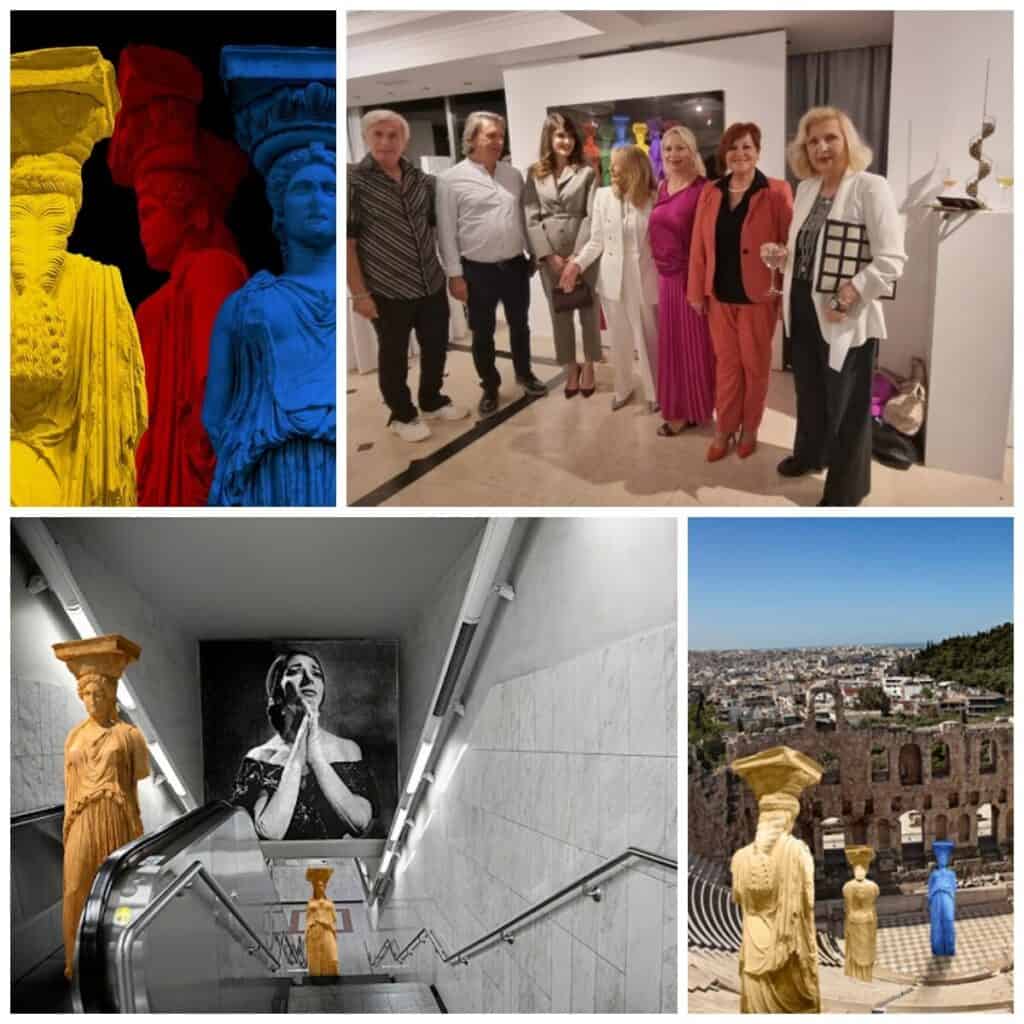
Recent activities by HAWCT in Athens have continued to advance this noble cause. In October 2024, the presentation “The Voice of the Caryatid” highlighted the urgent need for reunification, culminating in a photographic exhibition by the noted artist photographer artist Amalia Sotiropoulou, with works depicting the iconic missing marbl'd sister yearning to return to her birthplace.
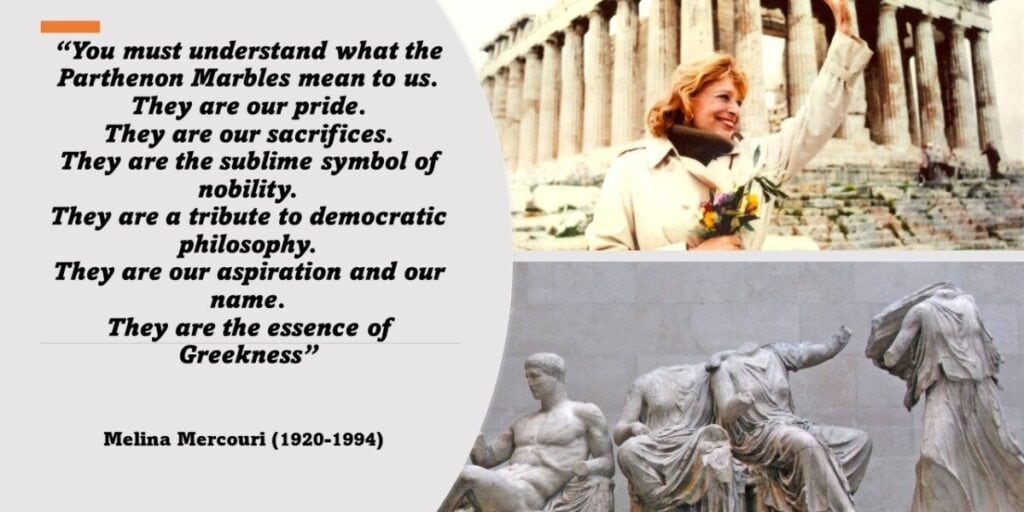
And then in March 2025, the event “The Voice of Melina Mercouri” was dedicated to the memory of the iconic figure who brought the issue of the Parthenon Marbles to international prominence.
The role of Hellenic women in the international campaign for the reunification of the sculptures remains vital. Two of the most eloquent advocates are Elly Symons and Alex Pistofidou - both members of the Acropolis Research Group - have been active in media and at conferences, reaffirming the ethical and legal imperatives for the return of the sculptures.
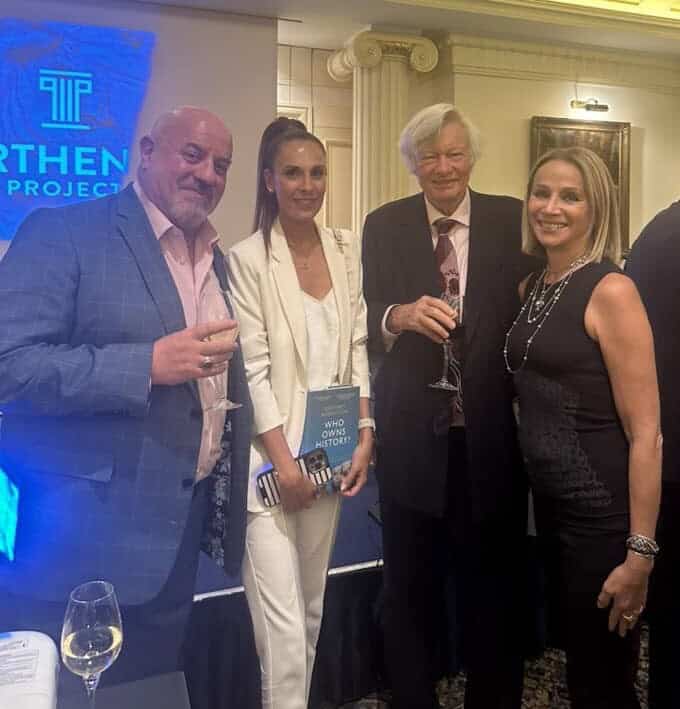
Another very active campaigner in the diaspora is Stergitsa Zamagias-Hill who also serves as secretary of the Australian Parthenon Association as well as Chief Executive Officer of The Hellenic Initiative Australia.

As the campaign continues, the united voices of Hellenic women and their colleagues around the world serve as a powerful reminder that the sculptures that once adorned the Parthenon must eventually be reunited in Athens.
George Vardas is the Arts & Culture Editor and has been an advocate for the reunification of the Parthenon Sculptures for more than 25 years.
Stay updated with the latest news from Greece and around the world on greekcitytimes.com.
Contact our newsroom to share your updates, stories, photos, or videos. Follow GCT on Google News and Apple News.
