
By Greek City Times
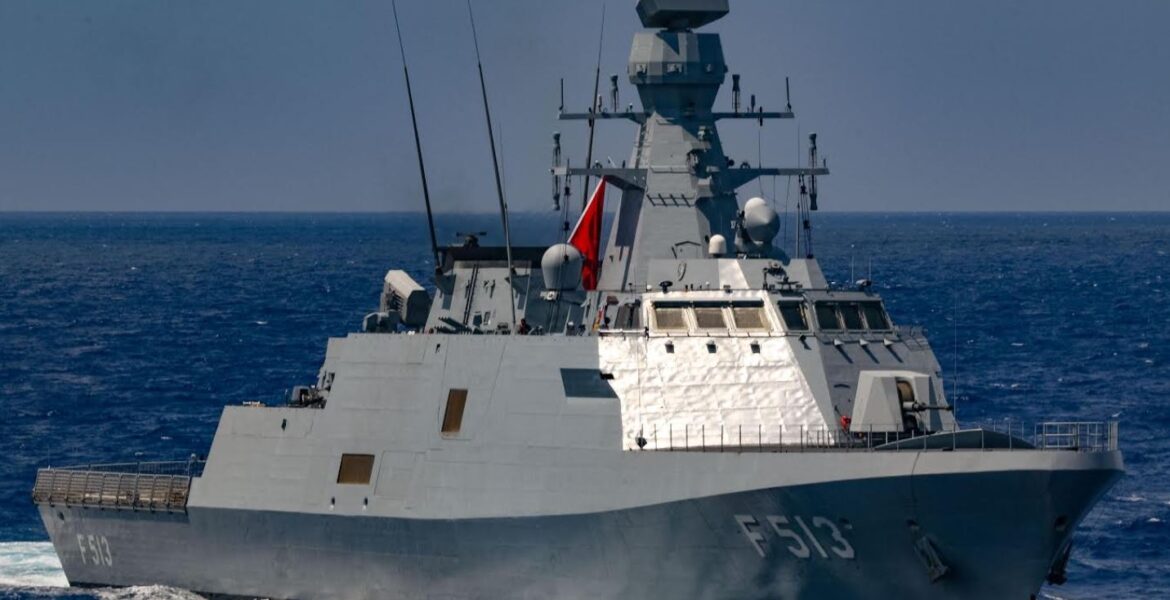
Athens – In a stark display of naval ambition, Turkish shipyards are simultaneously constructing up to 39 warships, according to statements from President Recep Tayyip Erdoğan and Turkish naval commanders.
This massive build program includes advanced platforms such as a new 300-meter aircraft carrier (MUGEM project), TF-2000 air-defense destroyers, additional Hisar-class offshore patrol vessels, and indigenous submarines, underscoring Turkey's push for regional maritime dominance.

The surge follows decades of strategic investment in domestic shipbuilding, initiated after the 1974 Cyprus events and U.S. arms embargo. Programs like MILGEM have enabled Turkey to achieve over 75% local content in systems, including radars from Aselsan and missiles from Roketsan. Private and state shipyards now operate in parallel, exporting vessels to countries like Pakistan, Ukraine, and Malaysia while bolstering the Turkish Navy.
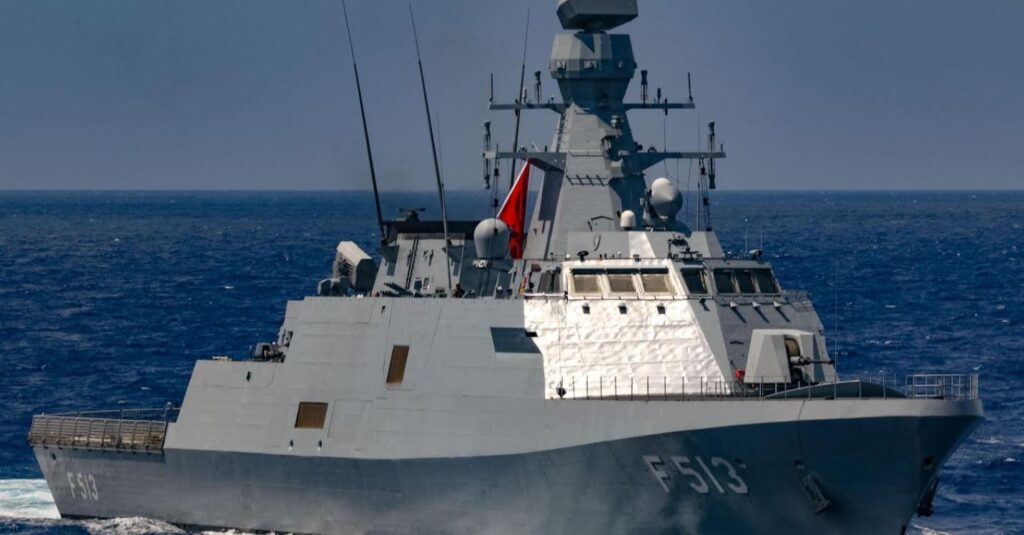
Recent milestones include steel-cutting for the MUGEM carrier, the lead TF-2000 destroyer, and the MİLDEN national submarine earlier this year, bringing the total under-construction hulls to figures cited between 31 and 39 by late 2025.
In contrast, the Hellenic Navy focuses on rapid modernization through foreign acquisitions to address immediate needs in the Eastern Mediterranean. The flagship program is the FDI HN (Belharra-class) frigates, with the lead ship HS Kimon expected to arrive in early 2026 after completing sea trials.
Greece has also initiated a long-term plan for four new submarines under the SAFE program, potentially built domestically with EU support, introducing sea-to-land strike capabilities. Discussions continue for additional frigates, including potential second-hand Italian FREMMs and a fourth Belharra.
Critics highlight that Greece's reliance on overseas builds leaves limited know-how in the country, unlike Turkey's self-reliant model. However, revival efforts at shipyards like Elefsina (ONEX) show promise, with recent commercial newbuild orders marking a return to construction after decades.
The diverging strategies reflect ongoing tensions, with Turkey emphasizing volume and independence, while Greece prioritizes proven, quickly deployable platforms amid budget and timeline constraints. Experts warn that the naval balance in the Aegean and Eastern Mediterranean could shift further if Greece delays domestic industry involvement.
Greece, Israel, and Cyprus to Intensify Joint Military Exercises in Eastern Mediterranean
Stay updated with the latest news from Greece and around the world on greekcitytimes.com.
Contact our newsroom to share your updates, stories, photos, or videos. Follow GCT on Google News and Apple News.
