
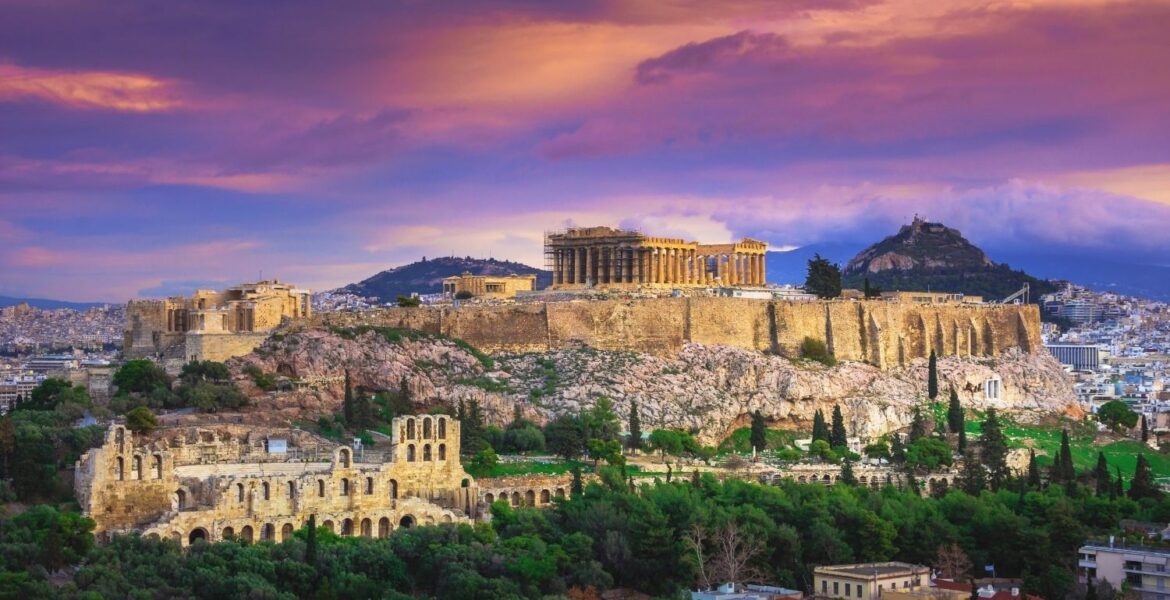
The Greek Ministry of Culture is launching a comprehensive package of infrastructure improvements, conservation efforts, and new cultural pathways around the Acropolis. These initiatives aim to better showcase lesser-known ancient monuments and make them more accessible and understandable to visitors.
Key focus areas include starting restoration work this year on the Koile Road (also known as Koili Odos or Koile Odos), a vital ancient thoroughfare that connected the Acropolis to the port of Piraeus. Running through the ravine between the Hills of the Muses (Philopappos) and the Pnyx, this route will be conserved, made more visible and navigable, and integrated into the broader network of Acropolis cultural routes.
The project also covers:
- Conservation and highlighting of the ancient Antaios Fountain in Petralona.
- Enhancements to sections of the Diateichisma, a roughly 900-meter defensive wall from the early 4th century BC. Currently difficult for visitors to discern, it will be improved with artificial stone additions to improve recognition and clarity.
Additional upgrades planned for the surrounding area include automated ticket payment stations, accessibility ramps, shading at entrances, and the adaptive reuse of nearby buildings for amenities such as lockers, a children's activity area, a shop, and an outdoor cultural space.
Broader interventions are in the works for the Odeon of Herodes Atticus, with ongoing studies for the Theater of Dionysus and the western ascent to the Acropolis (though no specific timeline has been announced for these).
These efforts form part of a larger strategy to protect heritage, boost universal accessibility (including features like gentle gradients, non-slip surfaces, and inclusive signage), reduce pressure on the main Acropolis site, and enrich the visitor experience by connecting the Western Hills' archaeological treasures—including the Pnyx, Hill of the Nymphs, Hill of the Muses, and Philopappos Hill—into a cohesive cultural narrative.
Work is being overseen by the Ephorate of Antiquities of Athens, emphasizing preservation of authenticity while addressing issues like damaged paths, limited lighting, and environmental challenges.
Stay updated with the latest news from Greece and around the world on greekcitytimes.com.
Contact our newsroom to share your updates, stories, photos, or videos. Follow GCT on Google News and Apple News.
