
By Arthur G January 19, 2026
Greece is tightening the screws on short-term rentals like Airbnb to combat soaring rents and housing shortages for locals. The government has extended its freeze on new short-term rental permits (known as AMA numbers from the AADE registry) in central Athens through the end of 2026—and is rolling out similar restrictions to five high-pressure tourist hotspots.
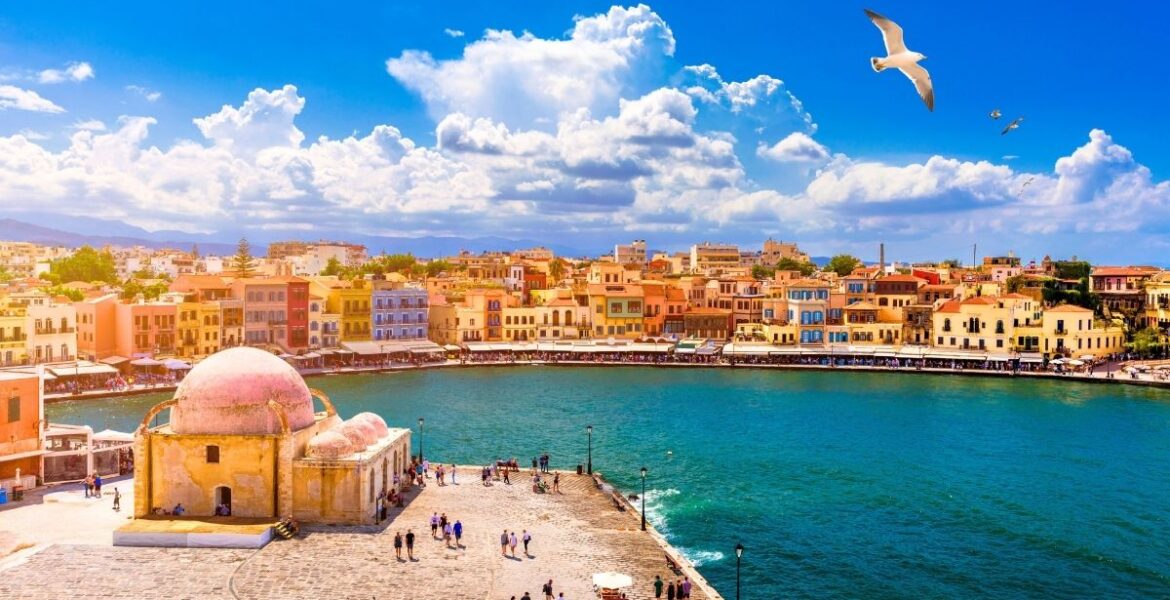
The affected areas include Thessaloniki, Santorini, Chania, Paros, and Halkidiki. These regions have seen explosive growth in short-term listings, which has drastically reduced long-term rental availability and driven up housing costs by as much as 20% in recent years, according to reports from state broadcaster ERT and other sources.
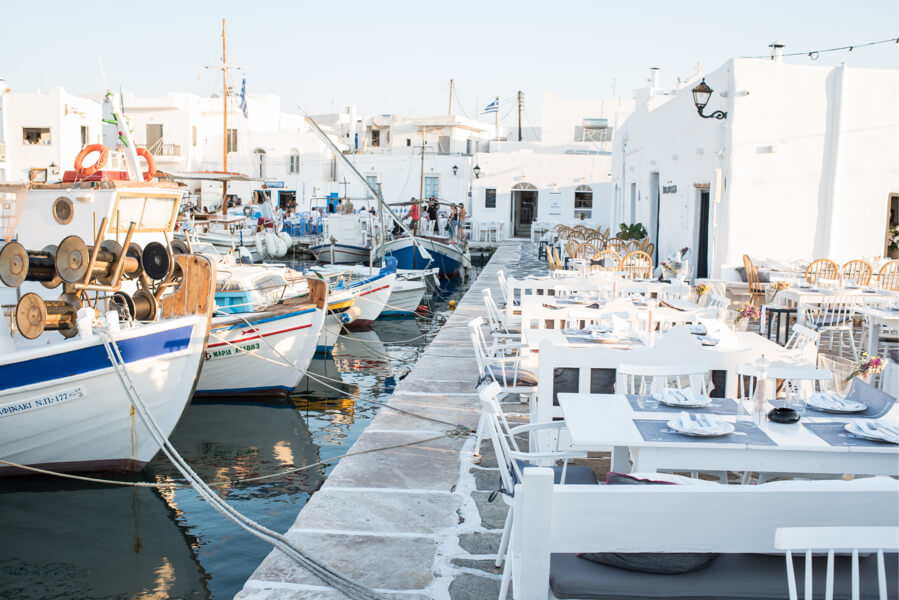
The measures, which began taking effect in phases from October 2025 onward, aim to restore balance between tourism-driven income and affordable housing for residents. In popular destinations like Santorini and Paros, excessive demand for vacation stays has made it increasingly difficult for permanent locals to find homes, while Thessaloniki mirrors Athens' urban pressures.
Key Changes Under the New Framework
Since early 2025, strict rules have applied nationwide for short-term stays (up to 59 days) with only basic services like bedding provided:
- All short-term rentals—whether booked via platforms such as Airbnb and Booking or through private agreements—must be registered in the AADE's Short-Term Accommodation Property Registry and assigned a unique AMA number.
- This closes loopholes for unregistered "handshake" deals.
- Renewals or extensions are treated as separate contracts; exceeding 59 days in total doesn't automatically convert a stay to long-term.
- Even individual rooms within a property qualify as separate units with their own AMA, though owners registering multiple rooms plus the whole property are counted as fewer units for tax thresholds.
Tax rules have also been tightened to eliminate gray areas:
- Owners with up to two properties report income solely as rental from immovable property—no business deductions allowed.
- For three properties or for legal entities, income counts as business activity, triggering 13% VAT, the Hospitality Fee, the Climate Crisis Resilience Fee, and mandatory myDATA integration.
- Providing extras such as cleaning, breakfast, or transfers reclassifies the property as a tourist accommodation, requiring business registration through the Ministry of Tourism's NotifyBusiness system.
The Climate Crisis Resilience Fee calculation now requires separate receipts per month for stays spanning rate changes (e.g., across seasonal boundaries), adding transparency but more paperwork.
Stricter Rules in Central Athens
In Athens' 1st, 2nd, and 3rd municipal districts (covering historic and high-demand areas like Plaka, Syntagma, Kolonaki, and Exarcheia), the registry remains closed to new AMAs. Only properties registered by December 31, 2024, can continue or be re-registered under specific conditions, such as ownership changes, inheritance, or manager switches. Violations carry heavy fines, with platforms required to delist non-compliant properties.
Every change in ownership or management now requires a new AMA—the number doesn't transfer.
Why These Restrictions Matter
The surge in short-term rentals has pulled thousands of homes out of the long-term rental market, fueling Greece's housing affordability crisis amid booming tourism. While short-term platforms generate significant revenue for owners and the economy, critics argue they exacerbate inequality in urban and island communities.
Government officials frame the crackdown as essential for protecting local housing stock without fully stifling tourism. Some studies suggest short-term rentals represent a small fraction of total housing (around 0.4% nationally), with vacant properties posing a bigger issue—but pressure in saturated hotspots remains undeniable.
As enforcement ramps up in 2026, property owners in restricted areas should review their registrations and consider shifting to long-term leases to comply and take advantage of potential incentives.
Read More Arachova Greece: Ultimate Travel Guide – Ski, Delphi & More 2026
Stay updated with the latest news from Greece and around the world on greekcitytimes.com.
Contact our newsroom to share your updates, stories, photos, or videos. Follow GCT on Google News and Apple News.
