
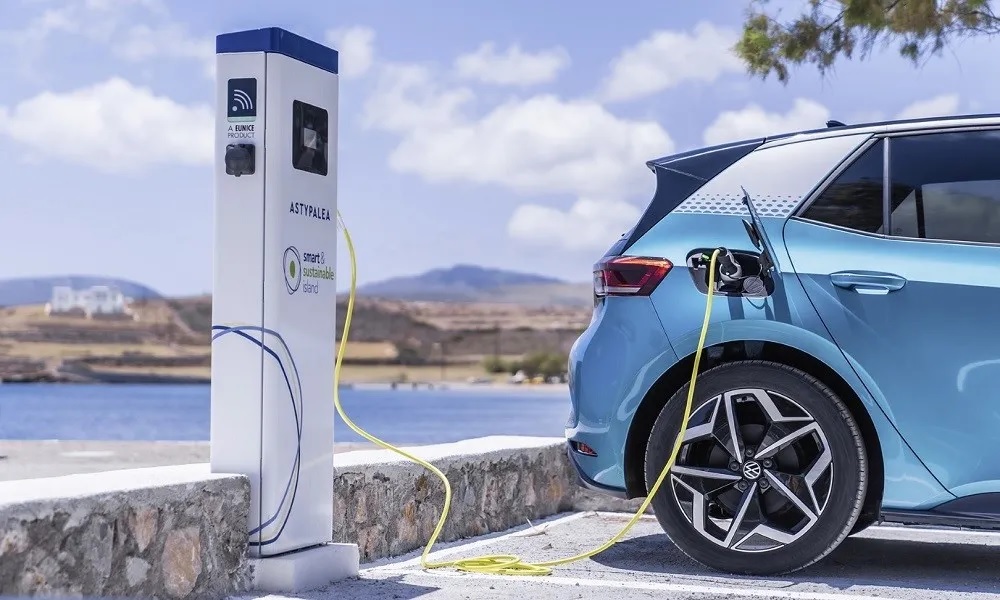
Greece is preparing a groundbreaking subsidy program under the Climate and Social Plan (Κλιματικό και Κοινωνικό Σχέδιο – ΚΚΣ), currently in public consultation, to accelerate the shift to electromobility, modernize the country's aging vehicle fleet, and cut emissions. The initiative targets "transport-vulnerable" households and small businesses, offering generous support—up to €30,000—for purchasing new zero- or low-emission vehicles (primarily electric) in exchange for scrapping old, polluting vehicles.
Greece's passenger cars average 17 years old (vs. the EU average of 12 years), and trucks reach 22.7 years (vs. the EU ~14 years). This program addresses these gaps by prioritizing vulnerable groups and promoting sustainable transport solutions.
Who Qualifies? (Beneficiaries – "Transport-Vulnerable" Categories)
The scheme focuses on those most affected by high transport costs and limited access to clean mobility:
- Families with children (especially large/multiple-child households)
- Residents of remote, island, or mountainous areas
- People with disabilities or the elderly
- Low-income students (including those from special education schools)
- Small-medium enterprises (SMEs), freelancers, and very small transport-dependent businesses (e.g., commercial vehicles with high usage)
Income Criteria
- Base annual income threshold: €25,000 (for single-person households)
- Adjustable upward based on household composition and social factors—up to €30,000 for qualifying vulnerable profiles (e.g., large families, disabled individuals)
What the Program Offers
- Direct state subsidy covering a significant portion of the purchase cost (targeting new electric or low-emission vehicles around €30,000 total value)
- 10-year loan with state guarantee for favorable repayment terms
- Additional support for vulnerable groups, including coverage of home charging station installation and partial electricity charging costs
- Option for financial leasing (long-term rental) for those without upfront capital
The subsidy requires scrapping an old vehicle to qualify for maximum benefits, ensuring fleet renewal. A pilot phase is expected to launch in the first half of 2026, starting in select areas (mainly islands and mountainous regions), with nationwide rollout planned if successful. Around 10,000 households could benefit initially with low monthly costs.
This initiative aligns with Greece's broader goals under the EU's green transition, building on existing EV incentives (like "Kinoumai Ilektrika") while emphasizing social equity and industrial renewal.
Greek City Times will track the public consultation outcome and official launch—stay tuned for application details! 🇬🇷
Related Greece Welcomes China-Made Electric Buses
Stay updated with the latest news from Greece and around the world on greekcitytimes.com.
Contact our newsroom to share your updates, stories, photos, or videos. Follow GCT on Google News and Apple News.
