
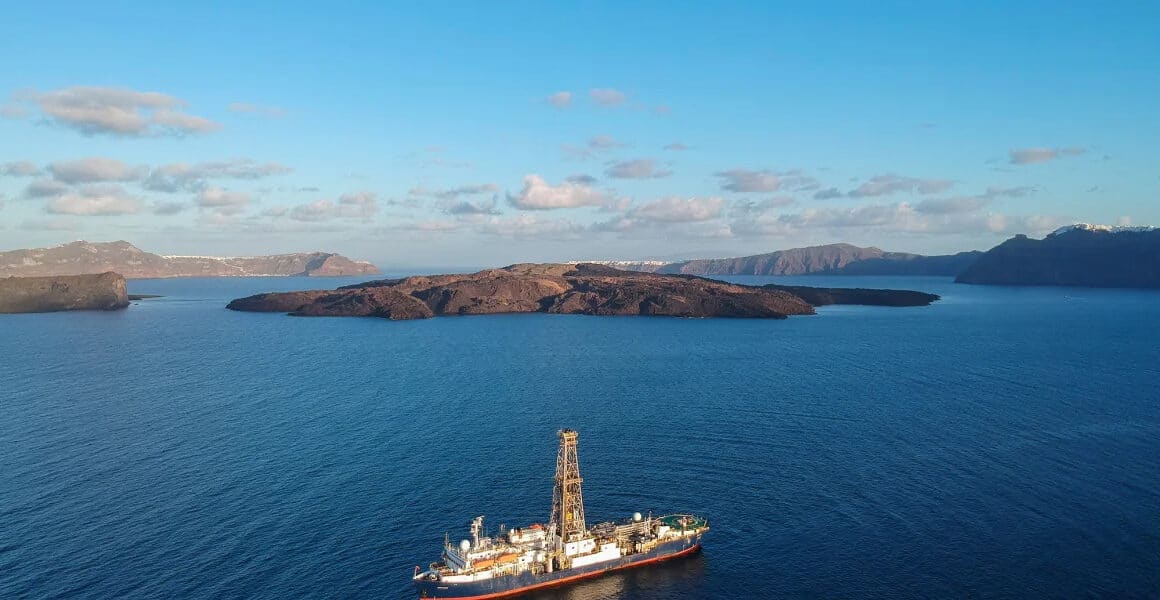
Greek scientists presented new findings on the 2025 Santorini–Amorgos seismo-volcanic crisis during an event at the National Observatory of Athens, attended by Climate Crisis and Civil Protection Minister Giannis Kefalogiannis.
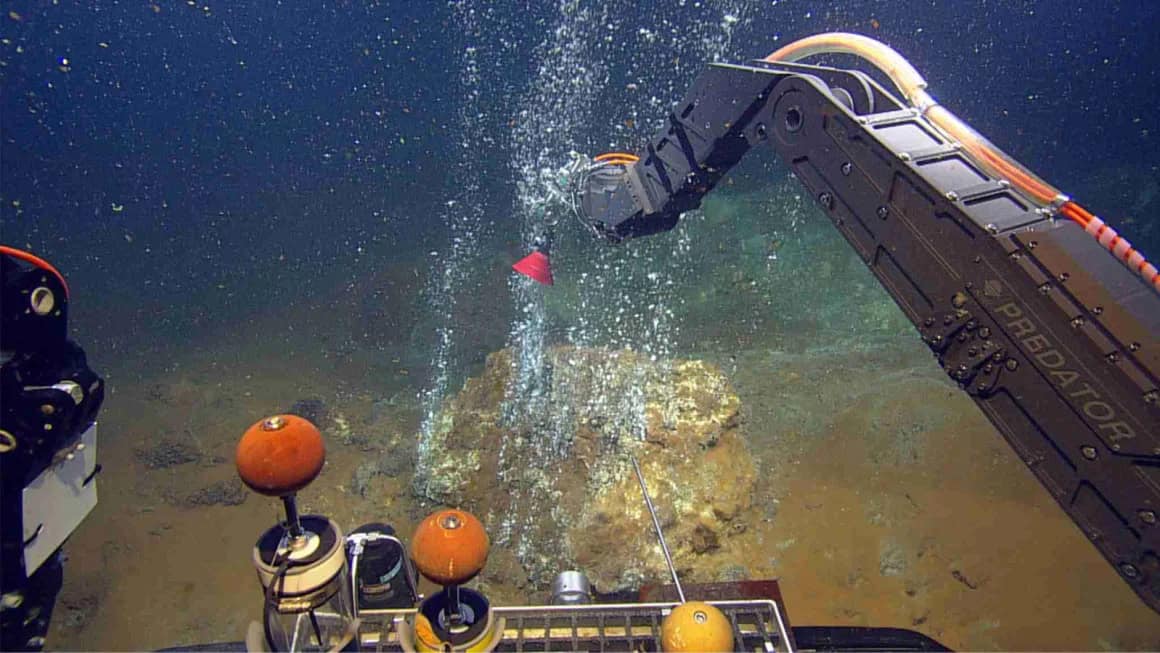
The event, titled “The Seismo-Volcanic Crisis of Santorini: One Year After – Results and Conclusions”, outlined the conclusions of Greece’s permanent scientific committees on seismic risk and the monitoring of the Hellenic Volcanic Arc.
Athens Geodynamic Institute director Vassilis Karastathis described the 2025 activity as an earthquake swarm and called it an extremely rare crisis due to the number of earthquakes and the short time frame. He said the majority of events had a tectonic origin, but a significant proportion indicated the intrusion of magmatic fluids, creating what experts described as a “tectono-magmatic” sequence.
Scientists recorded more than 21,000 earthquakes between 26 January and 30 June 2025. The monitoring network logged 19,523 of them in the first quarter of the year alone. Karastathis said the island experienced 216 earthquakes above magnitude 4 between 2 and 12 February—far exceeding comparable national figures from 2023 and 2024.
Experts linked the crisis to a period of volcanic unrest between August 2024 and January 2025, although they described that earlier phase as significantly weaker than the 2011–2012 episode.
Karastathis said the crisis produced an enormous workload because earthquakes occurred at exceptionally high frequency. He explained that automated epicentre systems struggled due to overlapping signals, forcing analysts to apply stricter criteria and carry out enhanced manual checks. The institute completed its analysis in the summer of 2025 and presented the results at a global conference in Lisbon.
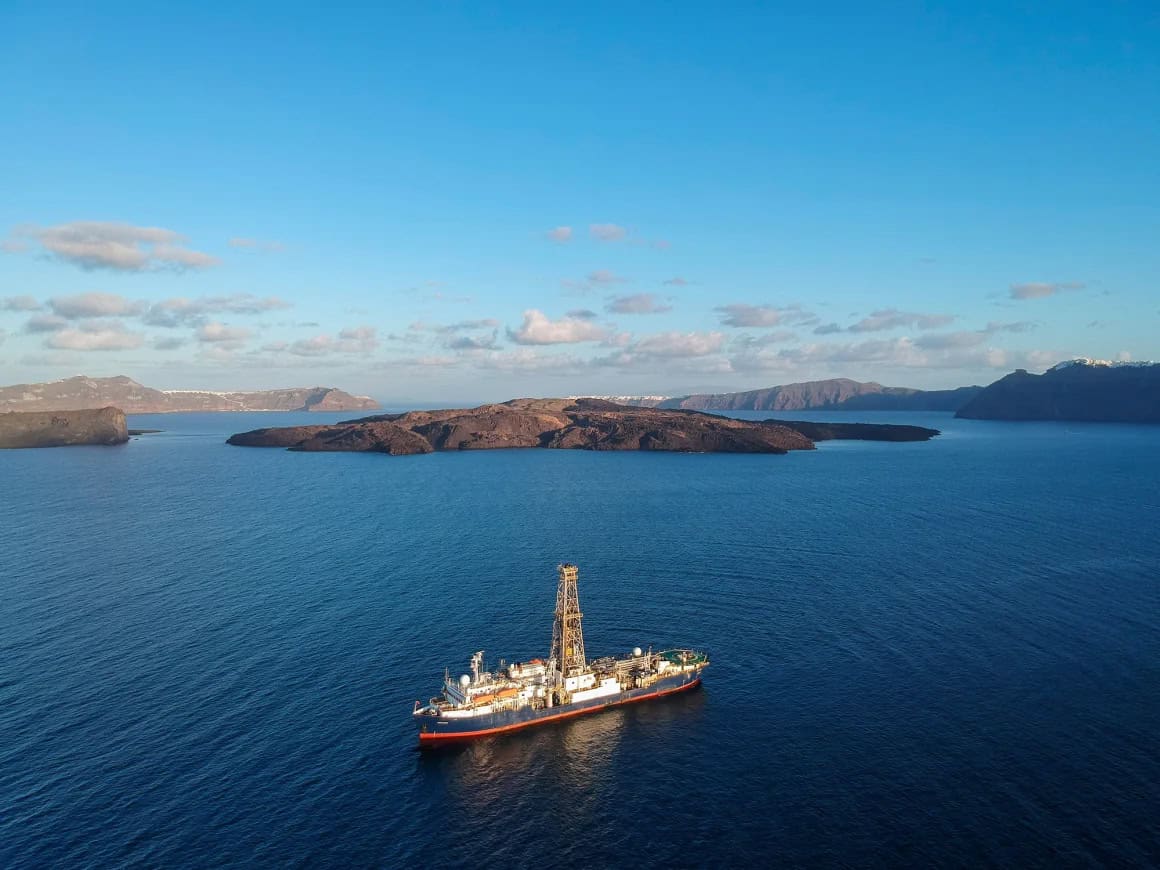
The final processing produced updated epicentre maps using new seismic velocity models and data from a distributed acoustic sensing (DAS) system. The analysis placed the seismicity at depths of 5 to 15 kilometres and found no evidence of magma rising close to the surface. Scientists linked the epicentres to known tectonic structures and said the shifting pattern suggested magmatic fluids penetrated existing faults.
Karastathis said 70 to 76 per cent of the earthquake mechanisms were tectonic, while the remainder showed magmatic characteristics. He added that researchers detected no seismic signals or background “noise” associated with an imminent eruption or the formation of a new volcano. Scientists concluded that the 2025 crisis involved deep magmatic intrusion without surface magma ascent and without immediate volcanic danger.
Earthquake Planning and Protection Organisation (OASP) president Efthymis Lekkas said the response functioned like a real-time crisis exercise. He praised cooperation between scientists and Civil Protection and described the Santorini phenomenon as a complex event with global uniqueness. Lekkas also stressed the importance of managing landslide risks inside the caldera.
Seismology professor and IMBIS president Kostas Papazachos highlighted the long-term monitoring of the volcano and said scientific observation actively supports decision-making during crises. He said authorities had strengthened monitoring infrastructure with permanent stations on Santorini, Thirasia and Nea Kameni.
Assistant professor Vassilis Sakkas presented geodetic measurements showing intense ground deformation in the caldera. He reported uplift of up to 60 millimetres and horizontal displacement of 70 millimetres. During January and February 2025, scientists observed seismicity migrating towards the Anydros area at a speed of 4 to 5 kilometres per day, while Imerovigli recorded subsidence of up to 80 centimetres per year.
Sakkas said scientists recorded a reduction in deformation rates from March 2025, although Santorini continued to show uplift. He called for continuous geodetic, seismological and geophysical monitoring to improve early understanding and forecasting.
Closing the event, National Observatory of Athens director and board president Dr Sp. Vasilakos said the meeting marked a new era for the Observatory and the Geodynamic Institute. He said the dialogue aimed to strengthen public services and improve Greece’s preparedness for future crises.
Stay updated with the latest news from Greece and around the world on greekcitytimes.com.
Contact our newsroom to share your updates, stories, photos, or videos. Follow GCT on Google News and Apple News.

