
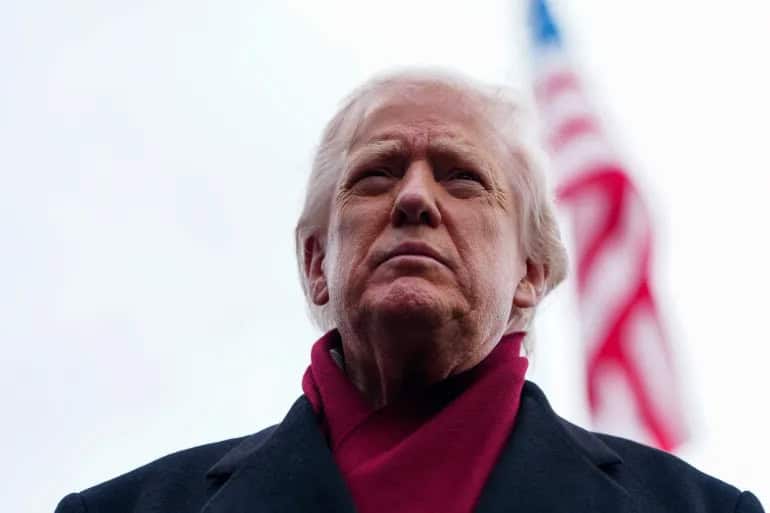
The United States has officially completed its withdrawal from the World Health Organization (WHO), effective January 22, 2026. This action fulfills President Donald Trump's commitment, as outlined in Executive Order 14155 signed on his first day in office, January 20, 2025.
The executive order revoked prior retractions of withdrawal notices and cited the WHO's mishandling of the COVID-19 pandemic—originating in Wuhan, China—along with its ongoing failure to implement urgent reforms, ensure accountability and transparency, and resist inappropriate political influence from certain member states. U.S. officials have repeatedly highlighted the organization's perceived lack of independence and the disproportionate financial burden placed on American taxpayers, who historically funded around 18-20% of the WHO's budget.
In a joint statement, Secretary of State Marco Rubio and HHS Secretary Robert F. Kennedy Jr. described the exit as a necessary step to safeguard U.S. interests and redirect resources toward more effective, bilateral, and transparent global health partnerships. During the one-year notice period, the U.S. ceased all funding to the WHO, recalled American personnel and contractors from its Geneva headquarters and other offices, and transitioned relevant activities to direct engagements with other nations and alternative entities.
The U.S. government views the withdrawal as fully complete, ending membership, governance participation, and financial contributions. However, the departure has sparked debate: the WHO maintains that the process remains under review by its governing bodies, citing unpaid assessed dues estimated at $260-278 million for the 2024-2025 period. Under relevant U.S. law and WHO rules, full payment of obligations is typically required before withdrawal, though U.S. officials have stated no further payments will be made.
This shift reflects an "America First" approach to international health cooperation, prioritizing targeted initiatives over broad multilateral structures seen as ineffective or misaligned. Global health experts have raised concerns about potential impacts on pandemic preparedness, disease surveillance, and support for lower-income countries, while others argue it reduces reliance on an unaccountable bureaucracy.
Stay updated with the latest news from Greece and around the world on greekcitytimes.com.
Contact our newsroom to share your updates, stories, photos, or videos. Follow GCT on Google News and Apple News.
