
A severe heatwave will hit Greece starting July 20, with temperatures up to 45°C in regions like Thessaly, Fthiotida, Boeotia, and Argolis, lasting until at least Friday, marking it as the summer’s most intense.
Weather
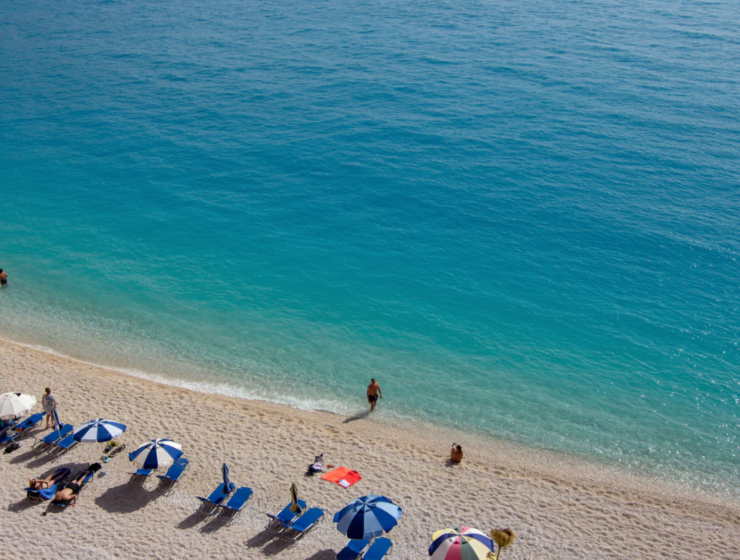
An intense heatwave is set to hit Greece starting Sunday, with temperatures potentially reaching 44–45°C in some regions. Forecast models from meteo.gr and the HEAT-ALARM system warn of significant heat stress, worsened air quality, and high fire risk. Authorities urge precautions to protect vulnerable groups.

Greece has mandated work breaks for outdoor labor and delivery services in regions facing temperatures above 104°F, with the heat wave expected to persist until Thursday. The Labor Ministry also urged employers to offer remote work options, while Athens faces no emergency measures.

Greece has mandated work breaks for outdoor labor and delivery services in regions facing temperatures above 104°F, with the heat wave expected to persist until Thursday. The Labor Ministry also urged employers to offer remote work options, while Athens faces no emergency measures.

Greece has issued a rare “extreme” weather warning for UK tourists in Attica as a European heatwave pushes temperatures to 41-43°C, raising health risks. Wildfires south of Athens have led to evacuations and road closures, while strong winds complicate firefighting efforts.

Greece faces a relentless heatwave with temperatures hitting 40°C in regions like Macedonia, Thessaly, and Epirus, lasting until Thursday. Clear skies dominate, but brief showers may occur in mountainous areas. Strong northerly winds will affect the Aegean.

A four-day heatwave is set to hit Greece, with temperatures exceeding 40°C from June 7 to June 10. Meteorologist Klearchos Marousakis explains the “heat dome” phenomenon, where hot air gets trapped, driving extreme heat. The Meltemi winds increase wildfire risks, while experts urge land clearing to prevent fires.

Greece is set for a heatwave this weekend, with temperatures reaching 37°C in some areas and strong Aegean winds up to 10 Beaufort. Travelers should stay hydrated, avoid midday outdoor activities, and monitor ferry schedules due to potential disruptions.

The summer solstice on June 21 marks the longest day of the year with 14 hours and 48 minutes of daylight, officially starting summer in the Northern Hemisphere, including our country, while winter begins in the Southern Hemisphere.

Greece is bracing for a dramatic weather shift as a 48-hour storm system brings heavy rain, thunderstorms, and a 7°C temperature drop starting Friday, according to EMY. While Tuesday enjoys sunny skies and warm 33–34°C temperatures, the weekend will see intense showers and lightning, particularly in central and northern regions, with islands possibly affected on Saturday.

Athens, Greece – A heatwave is gripping Greece today, coinciding with the Feast of the…
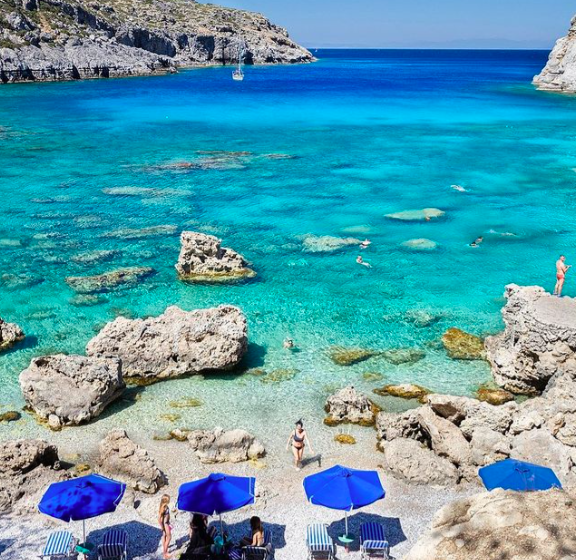
Greece is bracing for a blistering Pentecost weekend, with temperatures exceeding 37°C across many regions, perfect for early beach outings.
Greece is set to experience a “thermal dome” with temperatures reaching 39°C, marking the first heatwave of 2025. The prolonged heat, peaking from June 5–8, raises wildfire risks, particularly in Thessaly, Central Macedonia, and the Peloponnese.

June continues with sunny weather on 02.06.2025, with temperatures reaching 30°C in mainland Greece. Expect clear skies, with some midday clouds and showers in mountainous areas.
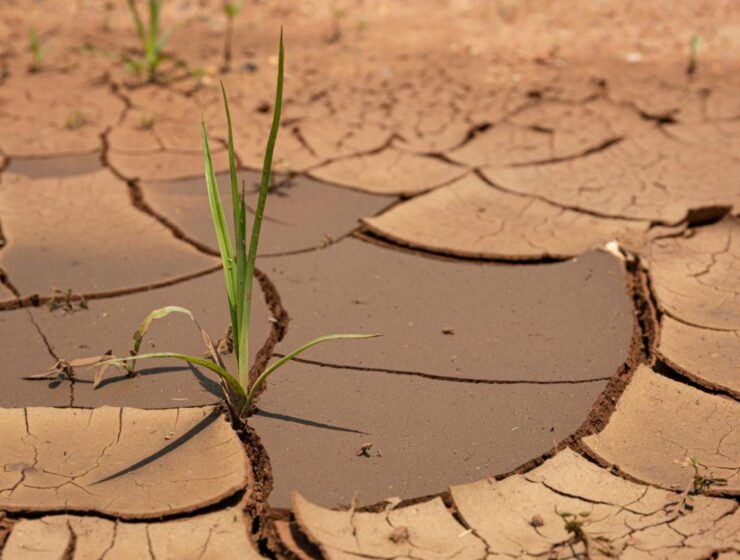
Authorities on Lesvos have prompted urgent calls for infrastructure upgrades and state support ahead of the tourist season.

Holy Saturday Weather: Mild with showers in the northThe National Weather Service forecasts mostly clear…

Thessaloniki woke up to heavy, unseasonal snowfall on Monday, with areas like Hortiatis and Panorama covered in white, prompting road and school closures. The rare April snow, heavier than typical winter falls, has turned northern Greece into a wintry landscape, surprising residents as Easter nears.

Greece faces unstable weather with rain, thunderstorms, and a looming cold front set to bring a sharp temperature drop and lowland snowfall, especially in Western Macedonia, starting late Sunday and intensifying Monday, April 7. Temperatures in Athens will range from 10°C to 19°C, while northern regions brace for a significant shift.

A powerful storm struck Serifos on Wednesday, flooding streets and overwhelming residents as part of a severe weather wave hitting Greece. With a “polar air mass” approaching, meteorologists warn of worsening conditions, including heavy rain and thunderstorms, set to impact the Cyclades, Crete, and beyond through April 2, 2025.

Mykonos, Greece – April 2, 2025A powerful storm continues to wreak havoc across Greece’s islands,…

Crete faced the heaviest rainfall and flooding as ferocious storms battered Greece’s islands on April 1, 2025, sweeping cars into the sea and inundating homes. The Cyclades chain, including Paros and Mykonos, also suffered significant damage, with emergency crews racing to clear debris and assist trapped residents.
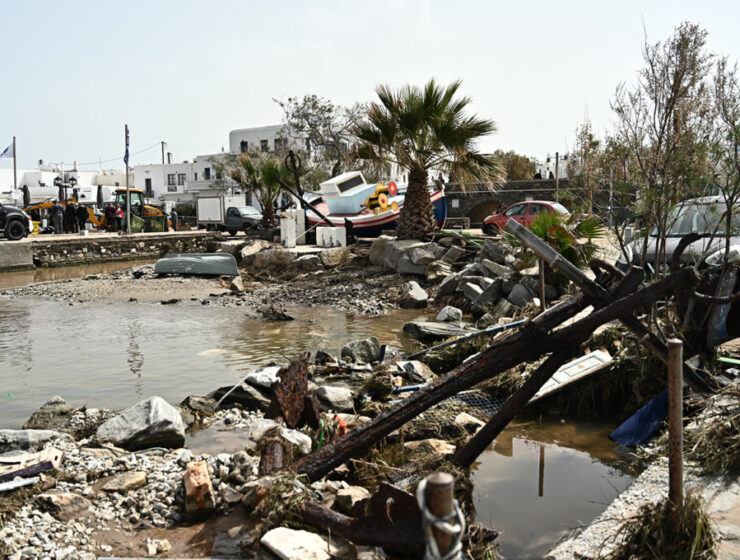
A powerful storm system has unleashed widespread destruction across Greece, hitting Chania, Paros, and the Dodecanese with torrential rains and flash floods. Streets turned into rivers, cars were swept away, and emergency alerts via 112 urged residents to stay cautious as the extreme weather persists into Wednesday, April 2, 2025. Mykonos’ mayor has called for a state of emergency amid significant damage to infrastructure and buildings.

A powerful storm has battered the Greek island of Paros, causing widespread flooding, sweeping away cars, and forcing school closures and traffic bans. Emergency crews are working to rescue stranded residents and clear blocked roads, while Greece remains under severe weather warnings.
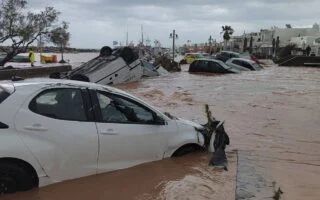
Greek authorities activated the 112 emergency alert system on March 31, 2025, issuing warnings for Chios, Samos, Ikaria, and Mykonos as severe storms threaten the region. With intense weather expected through early April 1 and a vehicle ban imposed on Mykonos, officials urge caution and compliance with safety measures.

Greece is facing a dramatic weather shift, with record-breaking March heat—peaking at 33.7°C in Crete—set to plunge into snow and frost by Tuesday, threatening agriculture and highlighting the country’s status as a climate change hotspot.
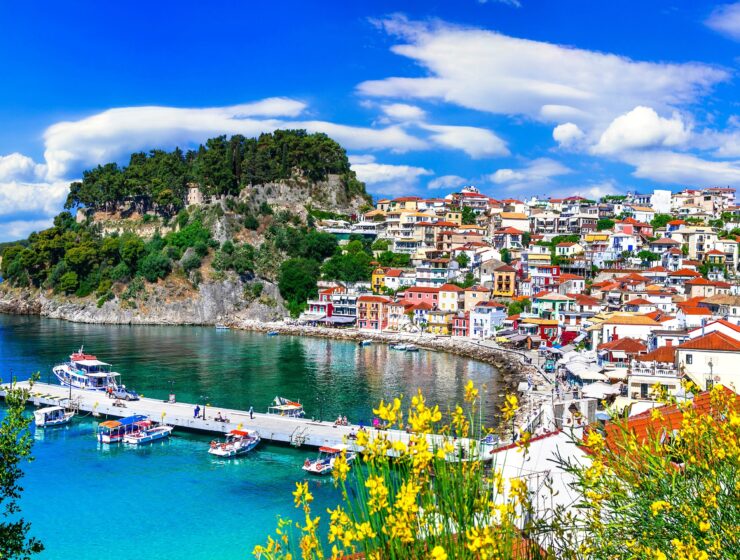
Meteorologist Clearchos Marousakis predicts a spring-like weather scenario next week in Greece, with temperatures possibly reaching 26 to 28 degrees Celsius in the eastern mainland and northern Crete. Driven by a subtropical air current and southerly downslope winds, the forecast also includes African dust and sea fog, while the National Meteorological Service anticipates highs of 22°C on Monday.

Tropical Cyclone Alfred, a Category 2 storm, continues its slow march towards the Australian coast, with forecasts now suggesting it will make landfall early Saturday morning instead of the initially predicted Thursday night or Friday morning.

A stunning frozen waterfall has captivated residents of Florina, Greece, as Storm Coral plunges temperatures to a frigid -12°C. The icy cascade in the Polypotamos area has transformed into a breathtaking natural ice sculpture.

Greece is bracing for a dramatic shift in weather this week, with a polar cold front promising subzero temperatures and widespread snowfall. Heavy snow is expected even in low-lying areas, including regions near Athens, starting midweek. Strong winds and storms are anticipated in the Aegean Sea.

Greek authorities have issued an emergency alert for severe weather, predicting intense storms for the Ionian islands and western regions starting Saturday evening. Residents are advised to take precautions and stay informed as conditions are expected to improve by Sunday afternoon.
