

The Bulletin of the Atomic Scientists has moved the Doomsday Clock to 85 seconds to…
Tag: climate change

A 12-year-old boy has died after suffering severe injuries in a shark attack near a…

The deadly floods that swept through Glyfada and Vari, claiming two lives, highlight long-standing gaps…

Extreme weather events in Greece are increasing rapidly, and scientists now confirm the trend with…

The year 2025 was recorded as the second-hottest year on record for Greece, according to…
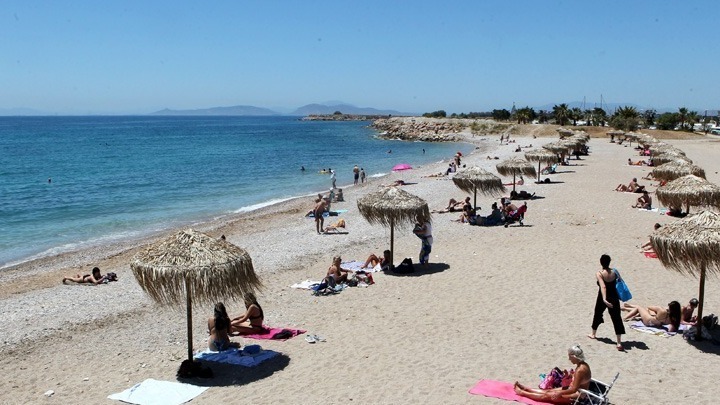
Greek tourism is undergoing a significant transformation, marked by more frequent but shorter trips, rising…

The year 2025 was marked by major political upheavals, fragile ceasefires, ongoing wars and dramatic…

Drought conditions have returned forcefully to the forefront in Greece, as reduced rainfall and high…
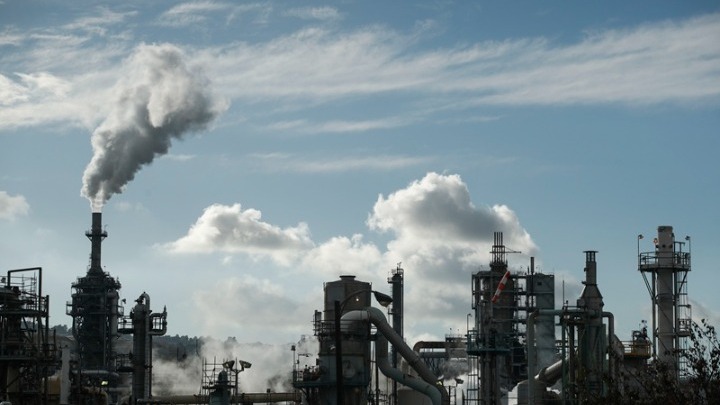
The European Union reached a landmark agreement late Tuesday to establish a legally binding climate-protection…

The year 2025 is on course to match 2023 and become the second warmest year…

The toll from catastrophic floods and landslides across the Indonesian island of Sumatra has risen…

Fish stocks in the Mediterranean and Black Sea—crucial waters for Greece—are showing signs of recovery…

Australian Prime Minister Anthony Albanese has today declined Turkey’s offer to jointly host next year’s…
During the 80th session of the UN General Assembly, the Third Committee reviewed the report…

With the Mornos Reservoir at critically low levels, Greece has unveiled a three-tier plan to avert a water catastrophe in Attica. Plan A diverts surplus from the Krikeliotis and Karpenisiotis rivers via 20-km pipelines, adding 150 million cubic meters by 2029. Plan B taps rich aquifers in Boeotia for another 149 million annually, while Plan C readies costly desalination plants in Thisvi, Lavrio, and Nea Peramos as a last-resort safeguard.

Greece is set to unveil a €2.5 billion plan to tackle severe water shortages in Attica and Thessaloniki, with targeted desalination projects and a €2–3 monthly bill hike to fund high-quality services. Reservoir levels have plummeted to 377 million m³ from 902 million m³ two years ago, prompting urgent measures including boreholes, reduced river flows, and leak repairs.

An international research team has uncovered an 800,000-year-old freshwater system beneath the seabed of the…

Thousands of trees in Athens have been lost in recent years due to invasive insects from Asia and South America, worsened by drought and climate change. City experts are now turning to innovative and biological methods — including the release of natural predators — to protect mulberry, orange, and palm trees and restore ecological balance across the capital.

The first official olive oil price for the 2025 harvest has been set at €7.85/kg, reflecting reduced European production and the continuing effects of climate chnage.

In a historic first, the EU has added wild bees to its endangered species list, with 172 of 1,928 species now at risk, alongside a rise in endangered butterflies from 37 to 65. Habitat loss, pesticides, and climate change are driving the decline, threatening ecosystems.

Greece’s beef market is under pressure as domestic production covers just 10% of demand, leaving the country reliant on imports. Rising retail prices, climate challenges, and EU policies are straining local farmers, who warn that continued reliance on foreign supply threatens food security and the future of Greek cattle farming.

At UNESCO’s MONDIACULT 2025 in Barcelona, Greek Culture Minister Lina Mendoni championed culture as a human right and global public good. Highlighting Greece’s efforts to protect heritage amid crises like wildfires and climate change, she stressed, “Culture is not a luxury—it’s a necessity for resilience and peace.” Leading the fight against illicit trafficking, Greece reaffirmed its commitment to safeguarding cultural heritage for sustainable development.

U.S. President Donald Trump cited Greece in his UN General Assembly speech, warning European leaders about uncontrolled immigration and the rising percentage of foreigners in European prisons.

Greece endured its third hottest summer since 1960 in 2025, with temperatures consistently above seasonal norms, according to meteo.gr. June ranked as the second hottest on record, July the fourth, and 70 of the summer’s 92 days exceeded the 1991–2020 average. Regions like Western Greece and the Peloponnese saw their second warmest summer, underscoring the ongoing impact of climate change.
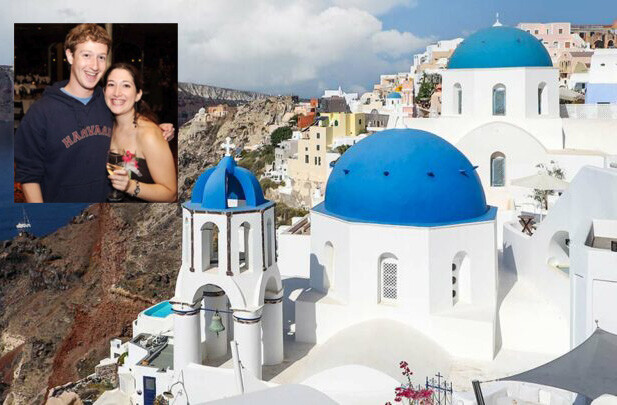
Santorini will once again position itself at the forefront of high-end travel by hosting its…

During a recent visit to Samos to commemorate the 201st anniversary of the Battle of…

The National and Capodistiran University of Athens and its Physics Department’s Group of Building Environmental…

Greece experienced its second hottest July since 2010, with Central and Northern regions most affected by sustained heatwaves. According to the National Observatory of Athens, average maximum temperatures across the country exceeded seasonal norms, with Athens and Thessaloniki recording significantly above-average heat for most of the month.

Greece battles intense wildfires amid a scorching heatwave, with evacuations in Drosopigi, Krioneri, Evia, Kythera, and Messinia. Fueled by 44°C temperatures and strong winds, the fires threaten villages and factories, prompting urgent firefighting efforts and raising concerns about climate-driven blazes during peak tourism season.

The International Court of Justice has declared climate change an existential threat caused by human activities, imposing a legal duty on UN member states to act. The ruling, supported by 195 Paris Agreement signatories, also sets a precedent for accepting “climate refugees,” urging global accountability and action.
