

Greece’s Anti-Money Laundering Authority has continued its investigation into GSEE president Giannis Panagopoulos, as authorities…
Tag: EU funding

Greece has taken a leading role in Europe’s effort to address the housing crisis, as…

Procedures have begun for the restoration, protection and enhancement of one of Western Greece’s most…

Doctors of the World (Médecins du Monde) have opened a new sanctuary for children and…

The Greek Ministry of Environment and Energy has approved and published the initial lists for…

Greek Police (ELAS) is set to deploy state-of-the-art technical equipment to detect narcotics hidden in…
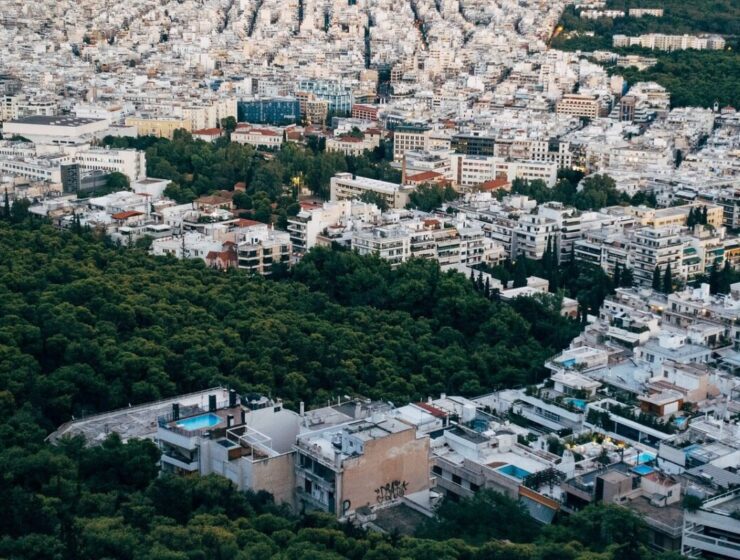
The “Spiti Mou 2” program extends its application deadline with higher income limits, while the new “Anakenizo” initiative provides government and EU-funded subsidies for home renovations and energy efficiency upgrades, supporting families across Greece.
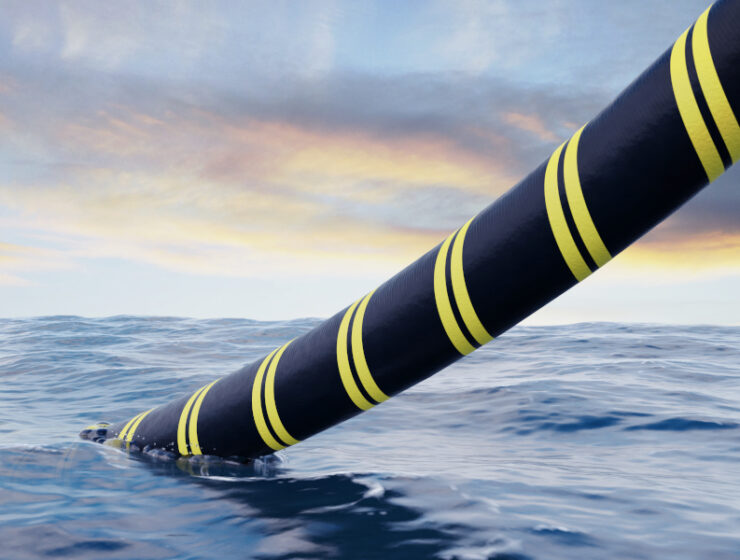
Greece and Cyprus are restructuring the GSI submarine cable project to involve U.S. and Israeli partners, shielding it from Turkish threats and internal disputes.

On a rainy October evening in Athens, teams of social workers and volunteers, joined by Mayor Haris Doukas, braved the damp streets to count the city’s homeless for the first time since 2018. The tally revealed a grim reality: at least 1,000 people now live on the streets, up from 700, with drug addiction driving the rise. As Deputy Mayor Maria Stratigaki noted, many women face “hidden homelessness,” trading safety for shelter. Despite bureaucratic barriers to aid, stories of volunteers like Periklis Christoforatos, who counted six homeless individuals in one night, offer hope for change in Greece’s capital.
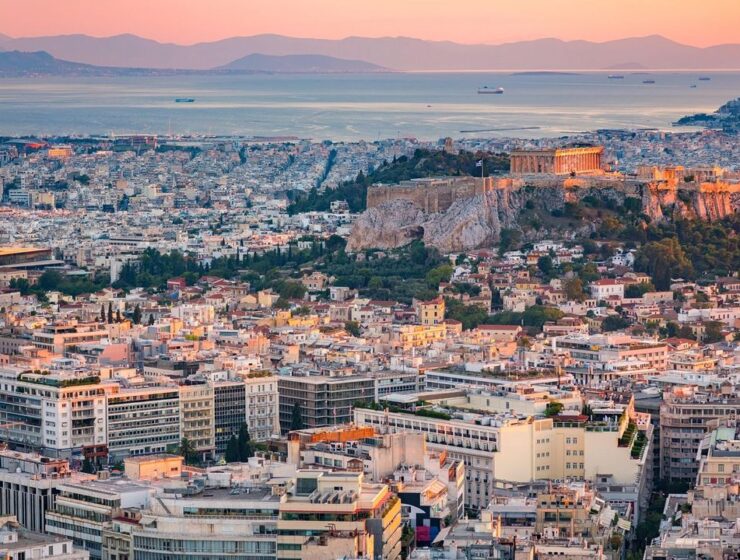
Greece has secured €600 million from the EU Recovery Fund after reaching a flexible agreement with the European Commission, ensuring the continuation of the “Constantinos Doxiadis” urban planning program. The deal focuses on prioritising quality studies and phased implementation, with early projects in Mykonos and Santorini set for consultation.

A growing backlash is mounting against the Greek government’s controversial plan to dismantle the historic…

Greece is implementing a nationwide transformation of its port and maritime infrastructure, supported by over €1 billion in EU and government funding, including ESPA, the Recovery and Resilience Fund, PEKA, and the Decarbonisation Fund. Investments cover 30 island ports, regional facilities, cold ironing systems, and port security upgrades (ISPS, Schengen, EES).

Greece is enhancing its wildfire defense with a €154.8 million purchase of 25 Air Tractor AT-802 Fire Boss aircraft, including nineteen single-seat and six dual-seat models. These amphibious planes, capable of scooping 3,100 liters of water and deploying in five minutes, will bolster rapid response to increasingly severe fire seasons.

The European Public Prosecutor’s Office has launched an investigation into the €1.9 billion Greece–Cyprus undersea electricity interconnector, citing possible criminal offences. The project, led by Greece’s ADMIE, is considered crucial for ending Cyprus’s energy isolation and linking the Eastern Mediterranean to Europe’s grid.

Greece has expanded its firefighting capabilities by adding 164 new vehicles to its national fleet…

Cyprus President Nikos Christodoulides unveiled an ambitious €1 billion investment plan on Monday to revitalize…

In a feature titled “Greece Invests in Technology to Reboot Its Economy,” Forbes France highlights the country’s rapid…

The European Commission has imposed a staggering €392.2 million fine on Greece following a years-long scandal…

323 European firefighters are set to be prepositioned in Greece during the peak fire season,…

Volunteer divers off the Greek island of Alonissos are recovering plastic waste, tyres, and rusted debris from the seabed in a European Union-funded effort to protect one of Europe’s largest marine parks. Their findings highlight the growing threat of marine pollution in the Mediterranean — even in protected zones home to rare species like the monk seal.

Greece has submitted a revised version of its “Greece 2.0” Recovery and Resilience Plan to the European Commission, aiming to fully leverage EU funds for key national priorities. The updated proposal includes major investments in transport safety, digital education, public health services, and smart infrastructure, while maintaining overall funding levels and reallocating resources to high-demand projects.

Greece’s Admie has denied reports of prioritizing an electricity interconnector to the Dodecanese over the Great Sea Interconnector linking Greece, Cyprus, and Israel. Dismissing claims as “unrelated to reality,” Admie reaffirmed its commitment to the EU-funded project despite financial and geopolitical challenges, including Turkey’s interference with seabed surveys.
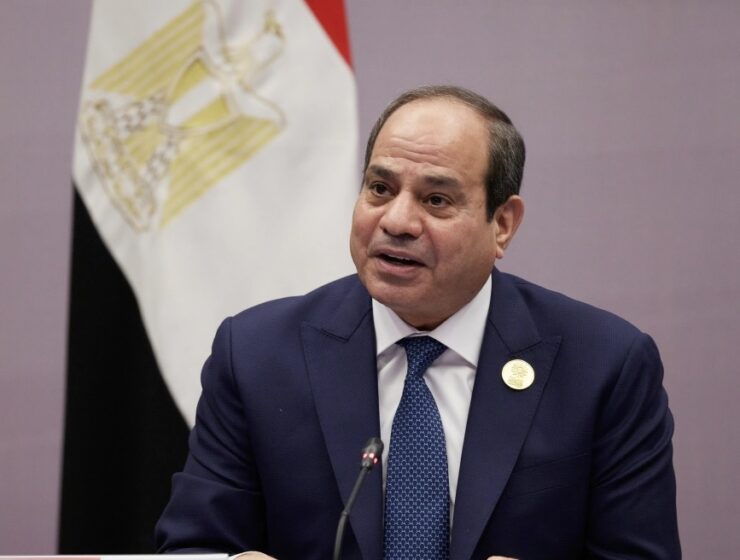
Greece and Egypt will sign a “strategic partnership” agreement to enhance political coordination and promote stability in the Eastern Mediterranean, Egyptian President Abdel Fattah al-Sisi announced. The deal, set to be formalized during Sisi’s meeting with Greek leaders, builds on historical ties and aims to address regional challenges, including migration and adherence to international law.

Fidias Panayiotou, an independent Cyprus MEP and YouTuber, has publicly questioned why the EU prioritizes support for Ukraine over Cyprus. While Ukraine receives billions in aid to counter Russia’s aggression, Cyprus—divided since 1974—struggles with limited EU focus despite its longstanding issues. Fidias’ inquiry highlights a perceived imbalance between the EU’s strategic external support and its attention to internal member state challenges.
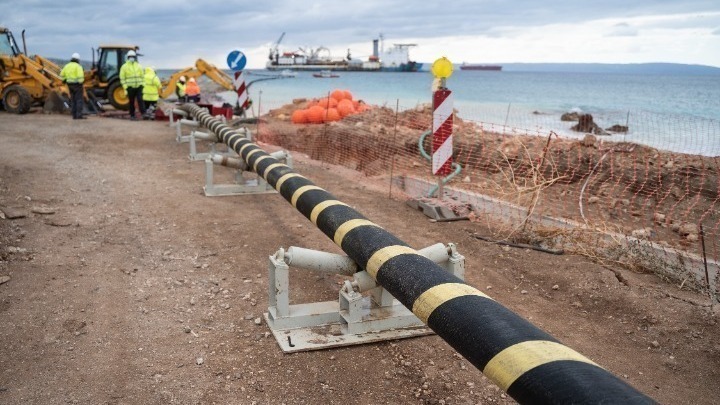
The Greek government is set to resume surveys in April for the Great Sea Interconnector (GSI), a subsea electricity cable linking Greece and Cyprus, despite technical delays and Turkish opposition. The project aims to enhance energy security and integrate renewable energy in the Eastern Mediterranean, with Greece asserting its rights in international waters.

Greece pauses €70M payment to Nexans for Cyprus-Crete interconnector, stalled by Turkish interference. Project faces delays, funding risks.
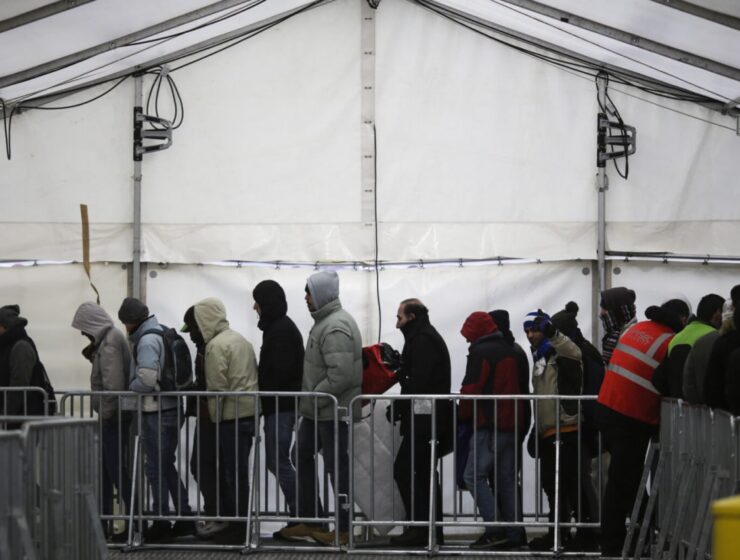
Germany has launched a new program to repatriate refugees back to Greece, focusing on those aged 19 to 49 who have secured protection status within the last two years. The initiative, overseen by the Federal Office for Migration and Refugees (BAMF), will initially offer voluntary participation, with plans for mandatory returns in the future. Returning individuals will receive support from Greek authorities and have opportunities for language acquisition and workforce integration.

Greece is taking a leading role in European AI development, Prime Minister Kyriakos Mitsotakis stated at the AI Summit in Paris. He highlighted Greece’s comprehensive national AI strategy and its selection as one of seven EU nations awarded the AI Factory initiative. With a strong talent pool and major tech investments, Greece is advancing AI infrastructure while emphasising responsible governance to mitigate risks. Mitsotakis underscored the country’s commitment to using AI for boosting productivity and enhancing public administration efficiency, positioning Greece as a key player in Europe’s AI future.

The European Commission has disbursed €998.6 million in grants to Greece under the Recovery and Resilience Facility (RRF). This fourth payment is based on Greece’s progress in implementing reforms and investments, including improvements to the justice system’s digital infrastructure, boosting renewable energy production, and enhancing fire prevention and reforestation efforts. The total value of Greece’s recovery plan amounts to €35.9 billion in grants and loans.
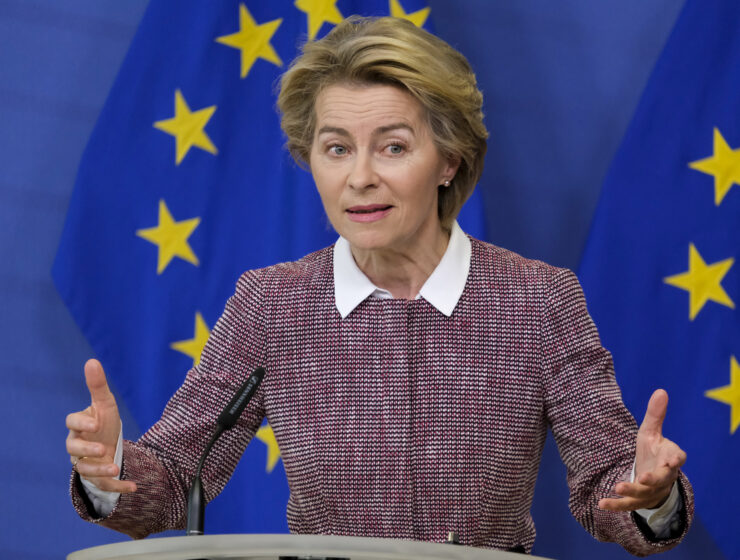
Germany’s conservative Christian Democratic Union (CDU) has urged the European Commission to provide financial support for the construction of fences at the borders of Greece and Poland. The call comes as Germany has reintroduced stricter measures to deport asylum seekers back to their countries of first entry.
