

Greek Prime Minister Kyriakos Mitsotakis is expected to reiterate his call for new, comprehensive European…
Tag: EU member states

Ecofin has approved the medium-term fiscal-structural plans of 21 EU member states, including Greece, as part of the bloc’s new economic governance framework. Greece’s plan for 2025-2028 targets a steady reduction in public debt, from 153.7% of GDP in 2024 to 133.4% by 2028, while maintaining controlled expenditure growth. The initiative aims to ensure debt sustainability and promote inclusive economic growth across the EU.

Greece saw the second-lowest food inflation rate in the EU in November 2024, with prices rising by just 0.4% compared to the previous year. This marks the lowest increase since May 2021, reflecting a significant easing of financial pressures on households. While the general consumer price index rose by 3%, food prices dropped by 1.2% from October to November, second only to Malta’s decline.

Greece recorded the highest rate of first-time asylum applications in the EU relative to its population in August 2024, with 59.9 applications per hundred thousand people, far exceeding the EU average of 15.4. While total EU asylum applications fell by nearly 25% compared to last year, Greece remains a key entry point for migrants, highlighting the ongoing challenges of equitable burden-sharing across member states.
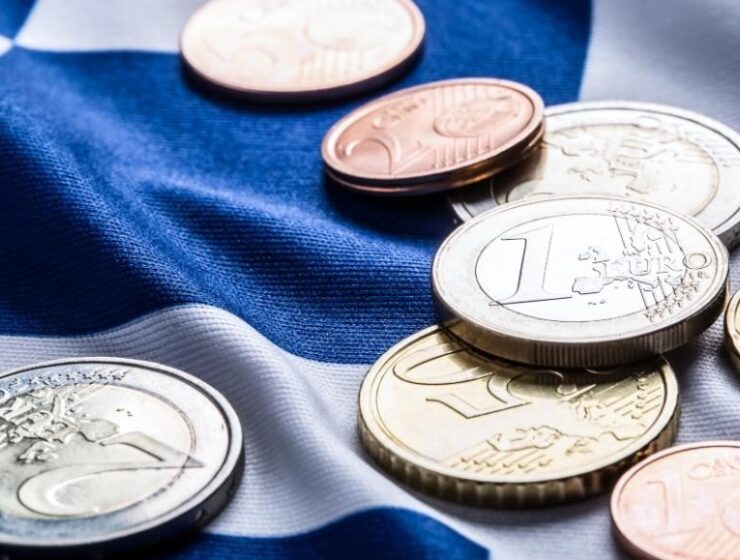
Eurostat’s latest report reveals that Greece’s average adjusted annual salary remains one of the lowest in the European Union, standing at €17,000 for 2023, just ahead of Hungary and far below the EU average of €37,900. Despite positive economic indicators, such as GDP growth, many Greek citizens continue to struggle with living costs, particularly in cities like Athens, where salaries barely cover basic expenses. With wages in countries like Luxembourg, Denmark, and Ireland far outpacing Greece, the salary gap in Europe continues to widen, leaving many in Greece questioning the effectiveness of economic recovery policies.
The European Commission has initiated legal proceedings against EU member states Spain, Cyprus, Poland, and…

Greek Prime Minister Kyriakos Mitsotakis, in Washington for the NATO summit, asserted that using “Republic of North Macedonia” is non-negotiable under the Prespa Agreement. He also reaffirmed Greece’s unwavering support for Ukraine despite historical ties with Russia.

Greece has achieved a significant milestone in reducing the number of early school leavers, with…

As Europe grapples with reducing its reliance on Russian energy amid geopolitical tensions, a new…

More than 50% of Greek scientists and engineers are women compared to the Euro area…
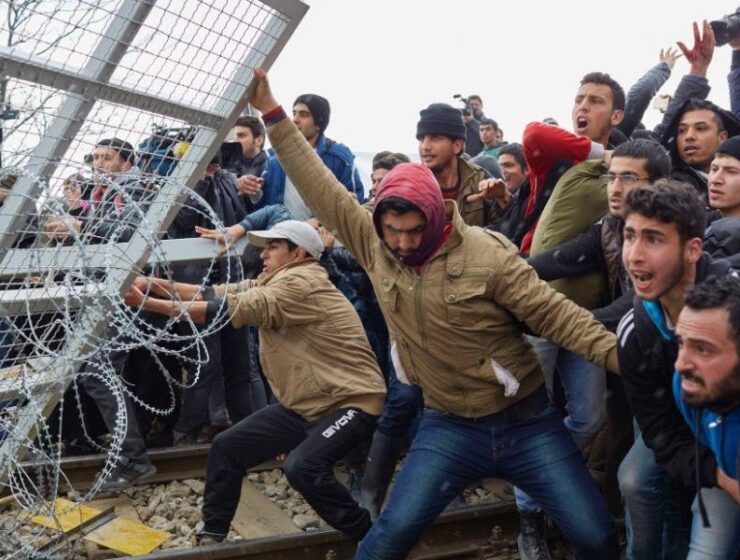
Greece has joined Italy, Malta and Cyprus to declare they cannot handle the migration crisis…

Greece is one of only three countries in the EU that saw a decrease in…
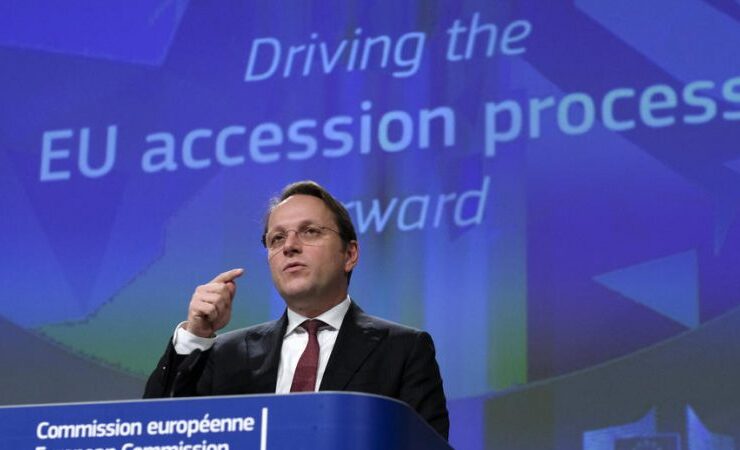
The European Commission made a scathing assessment about Turkey on Wednesday during the presentation of…
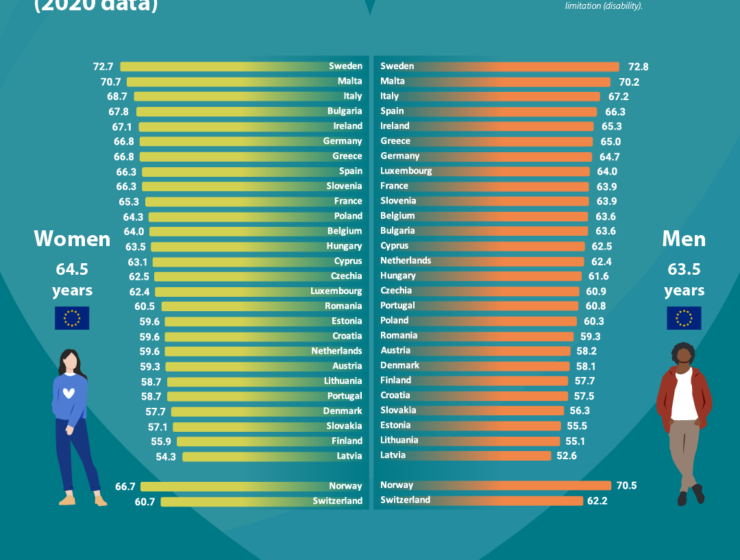
Greek women apparently live longer healthy years than Greek men according to the latest data…

Greece has the second lowest share of early school leavers (3%) for 2021 among EU…

More than 40% of young Greek adults hold a tertiary degree according to the latest…

Belgium and Germany along with Spain have been revealed as the three largest exporters (combined…
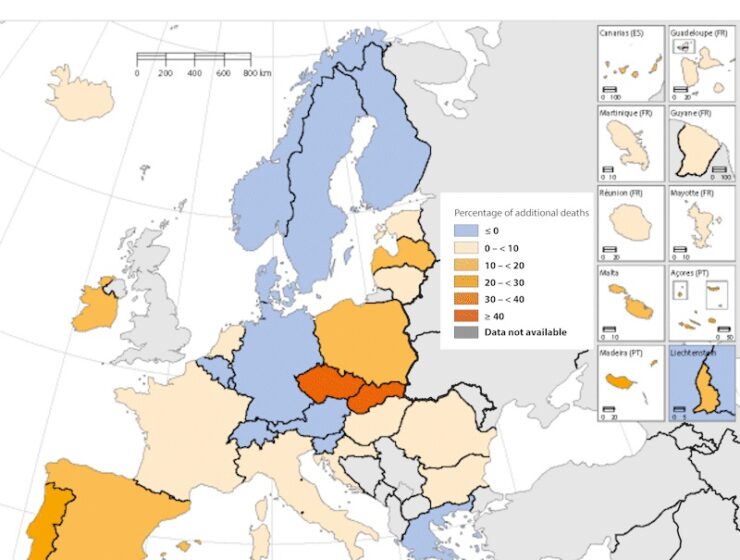
Greece and Cyprus have recorded among the highest excess mortality rates among EU Member States,…

Greece has commenced freezing the assets of Russian citizens named on an international list sent…

Greece and the entire European family unequivocally condemn Russia’s attack on the Ukraine, Greek Prime…
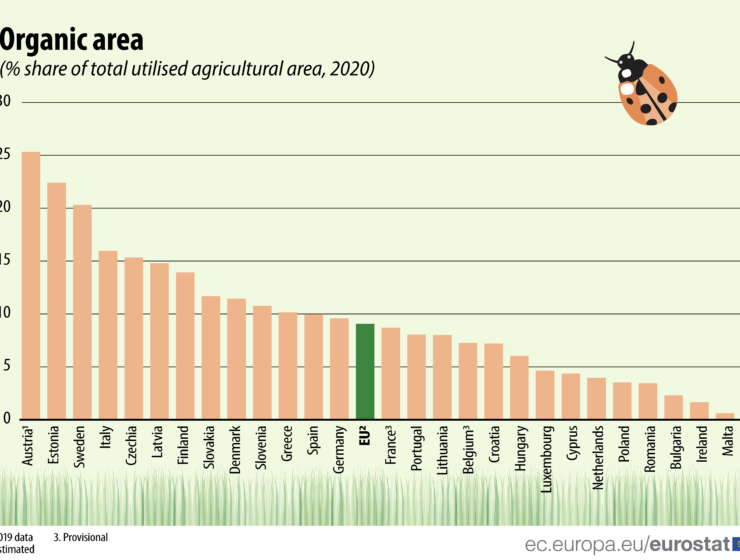
Greece dedicates just under 10% farming area to organic agricultural production, which is close to…

Greece and Cyprus generated more than half a tonne of municipal waste per person according…
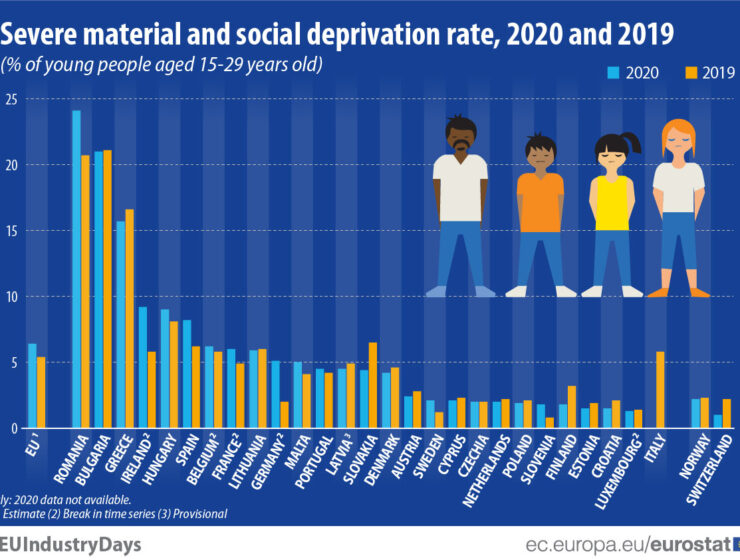
Greece has the third highest proportion in the EU of young people who were severely…
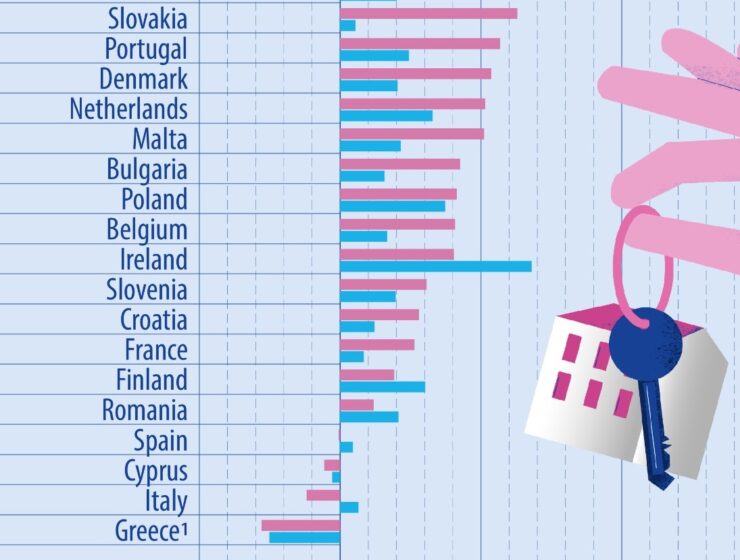
Greece and Cyprus were the only EU countries where rent prices dropped whereas the EU…
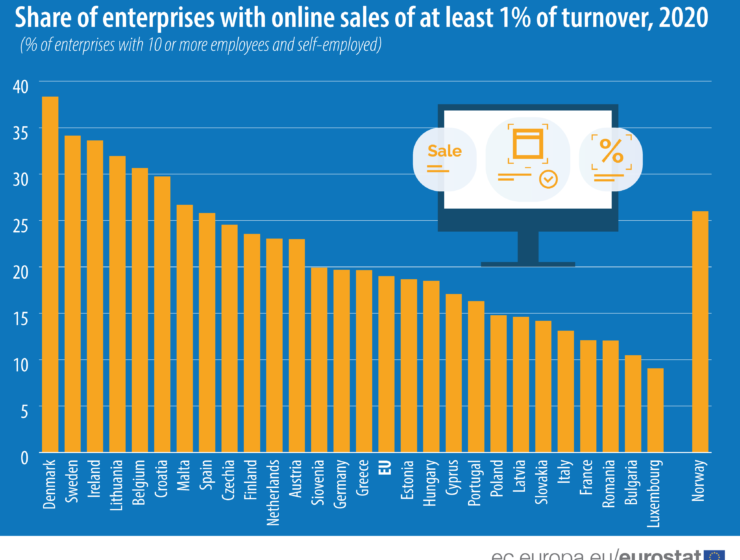
Nearly 20% of Greek enterprises had e-commerce sales that reached at least 1% of their…
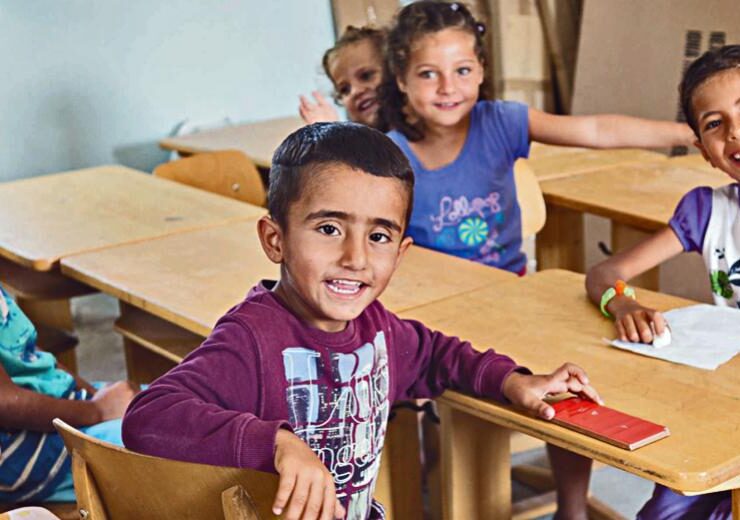
Greece and Cyprus among the EU countries hosting proportionally to their population the greatest number…

As of January 15, 2021, Cyprus will lift its travel ban on 56 countries. The…

Greece has just under 100 prisoners per 100,000 inhabitants with women representing just over 5%…
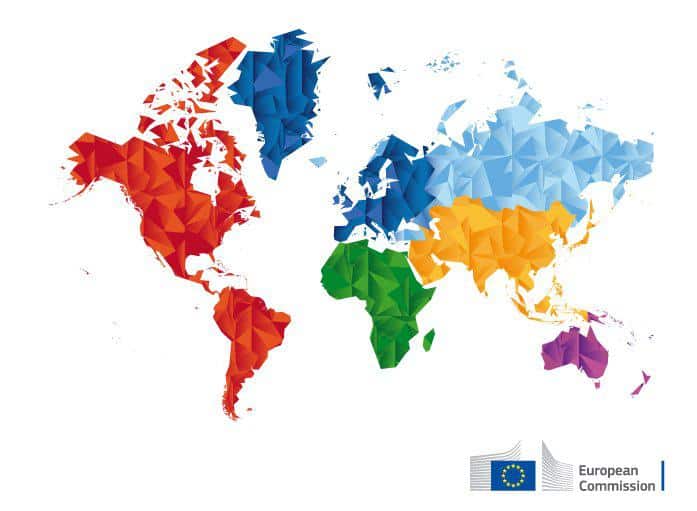
On the occasion of International Migrant’s Day last month, the European Commission launched an online,…
Twenty one leaders of all the EU member states including the President of Greece Prokopis…
