

Nestled in the heart of the Aegean Sea, Skyros Island offers one of Greece’s most authentic and meaningful travel experiences. Here, visitors can encounter the rare Skyros horse — a small, ancient breed on the brink of extinction — while exploring breathtaking landscapes and centuries-old traditions. This unique combination of natural beauty, living heritage, and active conservation has transformed Skyros into a rising star of sustainable eco-tourism in Greece.
A Living Legend: The Skyros Horse
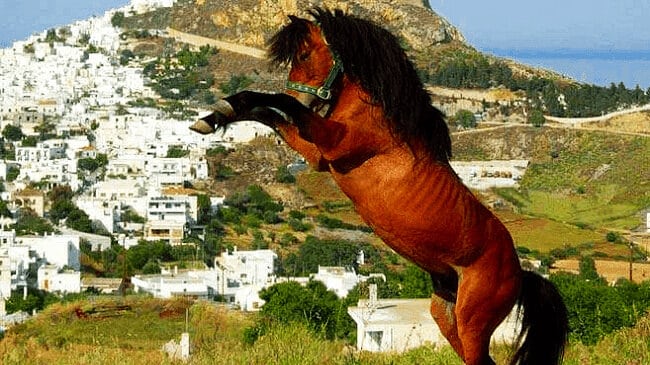
Often called a “miniature horse with a giant history,” the Skyros pony is one of the oldest equine breeds in Europe. Believed by many to be the same type of horse ridden by Achilles in Greek mythology, similar small horses are immortalised on the famous Parthenon Frieze in Athens.
Historically vital for farming, threshing grain, and even military use due to their strength and agility despite their diminutive size (usually 90–110 cm at the shoulder), the breed nearly vanished in the 20th century as tractors replaced working animals and larger horse breeds became fashionable. Today, fewer than 400 purebred Skyros horses remain worldwide, with the majority living semi-wild on the southern slopes of Skyros Island.
Conservation in Action: The Skyros Horse Sanctuary
Thanks to passionate locals, scientists, and international supporters, the tide is turning. The Skyros Horse Sanctuary and dedicated breeding programmes are working tirelessly to protect the remaining genetic lines.
Visitors play a direct role: entrance fees, guided experiences, and donations fund veterinary care, habitat protection, and the reintroduction of foals into semi-wild herds. At the sanctuary and around the island, travellers can:
- Watch the horses roam freely in their natural mountain environment
- Join educational walks and learn about their mythology and biology
- Participate in gentle interaction sessions (under strict welfare guidelines)
- Attend workshops on traditional Skyrian horsemanship and island ecology
Beyond the Horses: The Magic of Skyros Island
Skyros itself is a hidden gem. The northern half of the island is green and gently rolling; the wild southern half is rugged, dramatic, and almost untouched. Chora, the main town, clings spectacularly to a rocky peak crowned by a Byzantine monastery and Venetian castle. Traditional cube houses, narrow cobblestone alleys, intricate wood carvings, and the famous Skyrian embroidery create an atmosphere unlike anywhere else in the Cyclades or Sporades.

Add to that pristine beaches (many reachable only by boat or foot), ancient archaeological sites, hiking trails through aromatic pine forests, and some of the Aegean’s clearest waters, and you have the perfect recipe for meaningful, low-impact travel.
How Tourism is Saving a Breed
Every visitor who chooses Skyros directly supports the survival of the Skyros horse. Revenue from eco-friendly tours, family-run guesthouses, tavernas serving local cheese and seafood, and handmade crafts flows back into conservation and helps keep young islanders from leaving for the mainland. This virtuous circle proves that responsible tourism can protect both endangered species and traditional ways of life.
Plan Your Skyros Eco-Adventure
Skyros is easily reached by ferry from Kymi (Evia) or by domestic flight from Athens. The best time to visit is late spring (May–June) or early autumn (September–October) when the weather is perfect, wildflowers blanket the hills, and the horses are especially active.
Whether you’re a wildlife lover, a history enthusiast, or simply seeking an authentic Greek island experience far from the crowds, Skyros and its legendary little horses promise a journey that is as rewarding as it is beautiful.
Discover Skyros — where ancient Greece still gallops free.
Share this story and help protect one of the world’s rarest horse breeds! 🐴🇬🇷
The Ancient Greek horse breed that exists to this very day (VIDEO)
Stay updated with the latest news from Greece and around the world on greekcitytimes.com.
Contact our newsroom to share your updates, stories, photos, or videos. Follow GCT on Google News and Apple News.

