

It’s 5:47 a.m. You’ve landed after a red-eye, your suitcase has one missing wheel, and your phone is hanging on at three per cent. You scroll through your contacts, hovering over one name, then another. Who would actually drive across town before sunrise just to see your crumpled face emerge from Arrivals?
That’s when you realise: you’ve just conducted The Friendship Audit.
The so-called “airport test” began as a joke online - a light-hearted way to categorise our inner circles. There are the brunch friends, the birthday-text friends, the occasional-drink friends… and then there are the airport friends. The ones who’ll show up, no questions asked, armed with coffee and a car that smells faintly of moral superiority. But as silly as it sounds, the test has hit a cultural nerve, because it reveals something about how we love, prioritise, and show up for each other in an age where time is the rarest form of generosity.
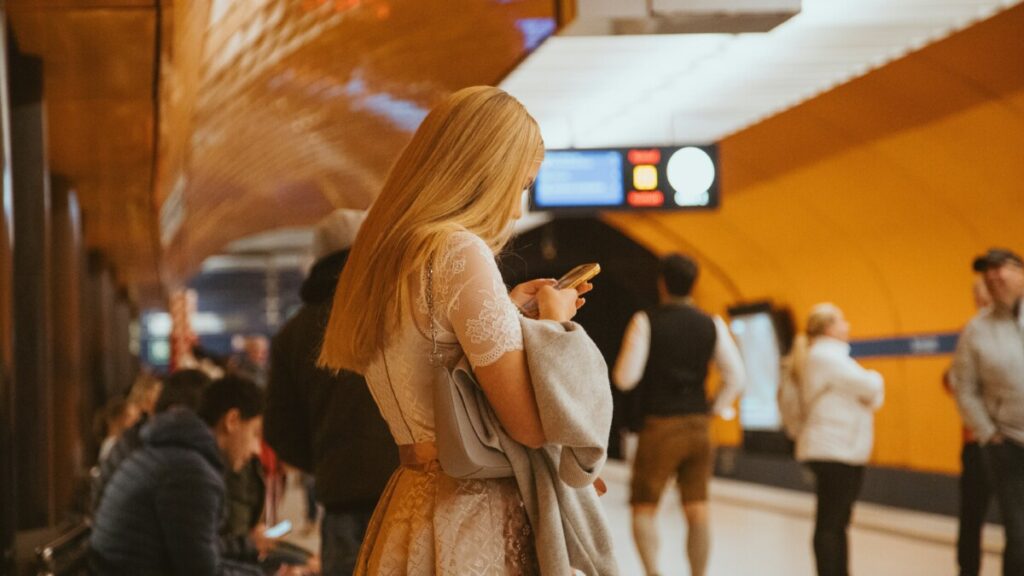
The rise of the ‘airport friend’
Psychologists say adult friendship is both vital and fragile. Robin Dunbar, the British anthropologist known for Dunbar’s Number - the theory that humans can only maintain about 150 stable relationships - suggests we have space for just five people in our most intimate circle. These are the ones who know our stories, forgive our flakiness, and can decode our one-word texts. In other words: our airport people. Yet as adulthood stretches us thinner across work, family, and endless digital noise, maintaining even those five can start to feel like emotional triage.
Dr. Marisa Franco, psychologist and author of Platonic: How the Science of Attachment Can Help You Make—and Keep—Friends, writes that friendship thrives not on grand gestures but on consistency, “the small, repeated signals that say, I choose you.” But in a world built on digital convenience, consistency has become a casualty. We don’t drift apart; we simply stop replying.
This is why the “airport friend” concept resonates. It’s not about transport, it’s about effort. It’s about who rearranges their day for you without resentment. In a culture that preaches boundaries and self-care, the willingness to inconvenience ourselves might be the most radical act of love left.
The quiet crisis of adult friendship
Sociologists have long warned that modern adults are lonelier than ever. The 2023 Global State of Connections Report by Meta found that one in four people admit they have no close friends at all. The irony is that we’ve never been more connected - liking, sharing, commenting, reacting - yet true friendship, the kind that survives missed calls and messy seasons, feels increasingly rare.
Somewhere between “let’s catch up soon” and “sorry, I’ve just been slammed,” friendship has become another to-do list item. We curate our presence with emojis and timestamps, but avoid the messy middle - the long drives, the 2 a.m. phone calls, the hospital visits, the early airport runs. Those small acts of physical presence used to be the invisible scaffolding of closeness. Now they feel almost ceremonial.
“I think we’ve confused connection with contact,” says sociologist Shasta Nelson, author of Frientimacy. “We mistake the frequency of communication for the depth of it.”
In other words, we’re constantly in touch but rarely in reach.
What friendship costs - and what it gives back
The airport test, at its heart, asks: What’s the threshold for inconvenience we’re willing to cross for each other? It’s not about who you’d travel with, but who you’d travel for. Friendship has always involved a quiet economy of sacrifice - time, energy, presence. But modern life, with its calendar alerts and emotional exhaustion, often leaves little margin for either.
That’s what makes this simple test almost anthropological. It distinguishes between the easy friendship of proximity and the deeper friendship of choice.
The colleague you share memes with might not show up with jumper cables on a rainy night, but the one who does is a keeper.
And it works both ways. Who would you pick up at the airport? Who would you drive an hour for, sit beside through a crisis, or listen to without checking your phone? It’s easy to measure friendship by what we receive. The real audit begins when we count what we give.
The philosophy of showing up
Philosophers have been dissecting friendship for millennia. Aristotle divided it into three types: those of pleasure (we enjoy each other), utility (we need each other), and virtue (we choose each other for who we are). Most modern friendships, if we’re honest, hover between the first two: laughter and convenience. But the airport friend? That’s the third kind - anchored in virtue, the quiet, consistent presence that expects nothing in return.

It’s an idea echoed in contemporary research too. Studies show that the mere act of showing up - physically, not just digitally - releases oxytocin, strengthens trust, and reduces stress. So while texting might keep us connected, turning up keeps us human.
Relearning the art of friendship
Maybe the airport friend test isn’t a hierarchy at all, but a reminder. That friendship is less about the frequency of contact and more about the quality of presence. That loyalty can be funny, inconvenient, occasionally sleep-depriving - and still the best evidence that we belong somewhere.
Because friendship, like the best kinds of love, often hides in the unglamorous places - petrol stations at dawn, parking lots outside Arrivals, or the quiet decision to answer the phone when it’s least convenient. It’s the friend who still shows up when the world has gone back to sleep.
The airport test isn’t really about who brings the car. It’s about who brings themselves.
Because in the end, we all just want to know that there's someone waiting for us at Arrivals.
Read also: The Law of Filotimo
Stay updated with the latest news from Greece and around the world on greekcitytimes.com.
Contact our newsroom to share your updates, stories, photos, or videos. Follow GCT on Google News and Apple News.

