

Greece will experience a new wave of Saharan dust starting Saturday, 14 February, according to…
Tag: air quality

A new study reveals that Athens has some of the most toxic air in Europe. Scientists warn that the real danger is not acid rain, but deadly smog produced by wood burning and fuel combustion — a growing health crisis in the Greek capital
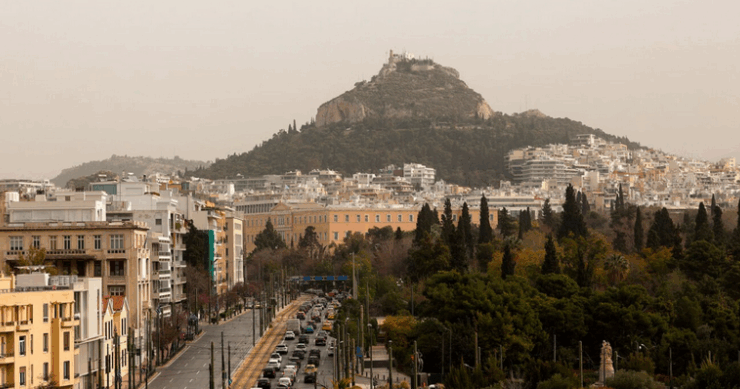
Greece is set to face a wave of Saharan dust and scorching temperatures peaking this weekend, with thermometers hitting 34°C in regions like Thessaly, Peloponnese, and Crete, according to AtmoHub and meteorologist Giorgos Tsatrafyllias. Starting Thursday, air quality may worsen in areas including the Ionian Islands and Attica, while northern Greece could see muddy rain.
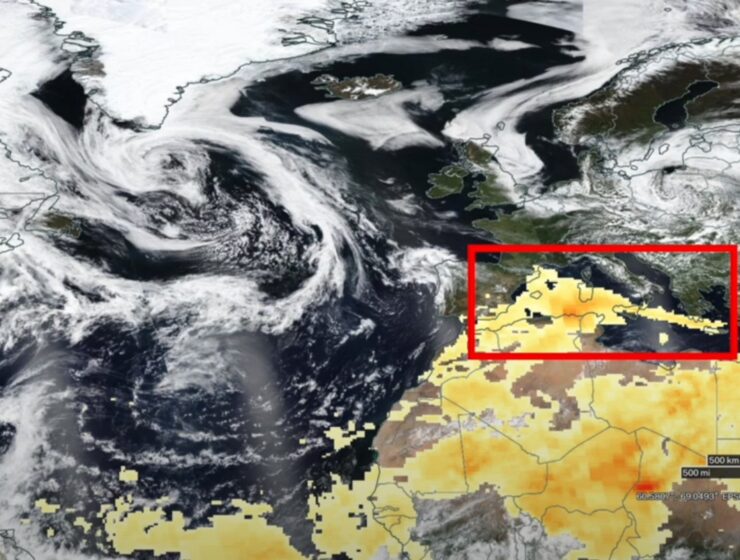
Smoke from Canada’s raging wildfires has drifted over 10,000 kilometers to Greece, carried by a powerful jet stream, according to the “FLAME” pyrometeorological team. Starting May 13, 2025, fire-driven clouds propelled smoke high into the atmosphere, reaching Greece by May 19, highlighting the global reach of natural phenomena.

The National Public Health Organization (EODY) has issued guidelines to protect citizens from African dust, a recurring phenomenon affecting Greece’s air quality. Vulnerable groups, including children, the elderly, and individuals with respiratory or cardiovascular conditions, are urged to take precautions. Experts recommend limiting outdoor activities, using high-filtration masks, and improving indoor air quality. Schools are also advised to modify activities to safeguard students. With dust events expected to continue, authorities emphasize staying informed and taking proactive health measures.

In a unique initiative, the Municipality of Thessaloniki has begun harvesting olives from the trees spread across the city to produce its very own municipal organic olive oil.
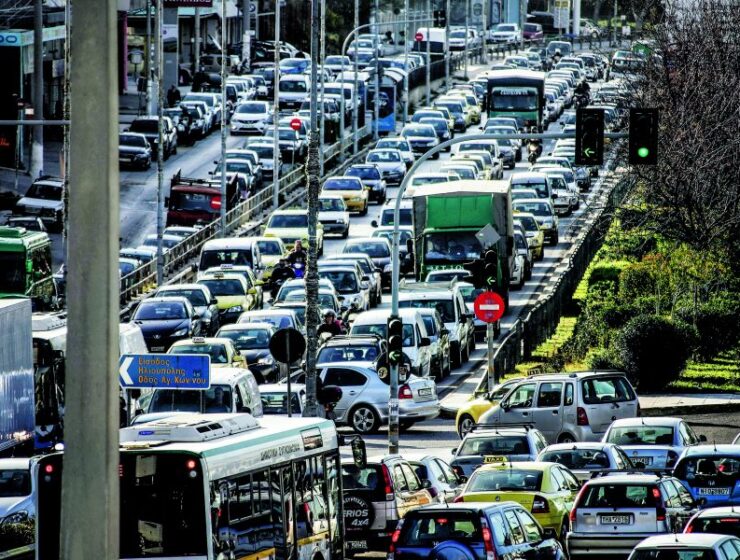
Traffic restrictions in central Athens, known as the ‘daktylios’ system, resumed on Monday and will be in effect until July 19, 2025. The odd-even system limits car access based on license plate numbers, with exceptions for ‘green’ vehicles and those with special permits. The aim is to reduce congestion and improve air quality.

Greece has been ranked ninth among the top 10 travel destinations most vulnerable to natural disasters, according to a survey by Journo Report and Intersec. The study assessed risks such as earthquake frequency, flood impact, and volcanic activity. Japan topped the list, while Greece’s vulnerability places it among the most at-risk destinations for travellers.
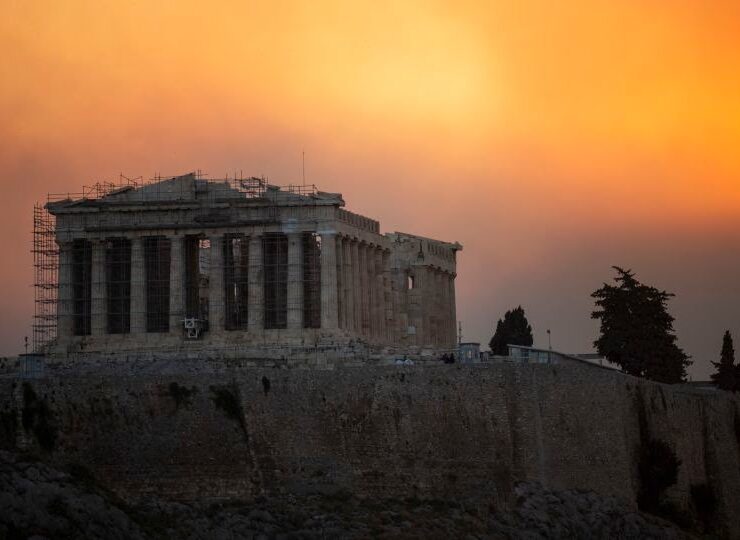
Greek authorities have warned residents to stay indoors with windows closed as over 400 firefighters work to control multiple wildfires on the outskirts of Athens. Entire neighborhoods, including the historic town of Marathon, are being evacuated amid thick smoke and extreme temperatures, prompting a state of emergency.
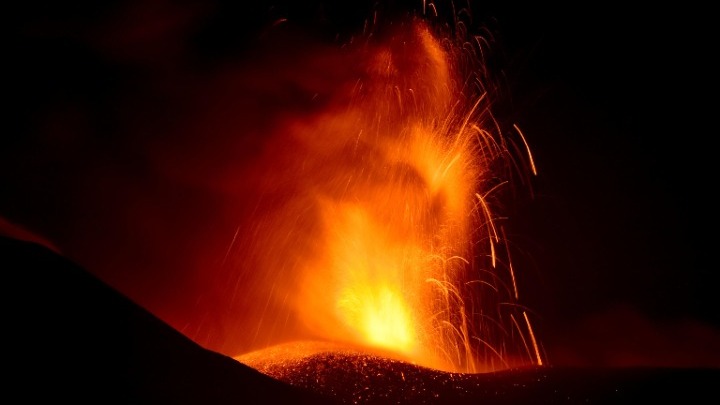
Mount Etna’s latest eruption has sent a cloud of volcanic ash and sulfur gases over parts of Greece, including Attica and the northern Peloponnese. The National Observatory of Athens is monitoring the situation and has an early warning system in place.
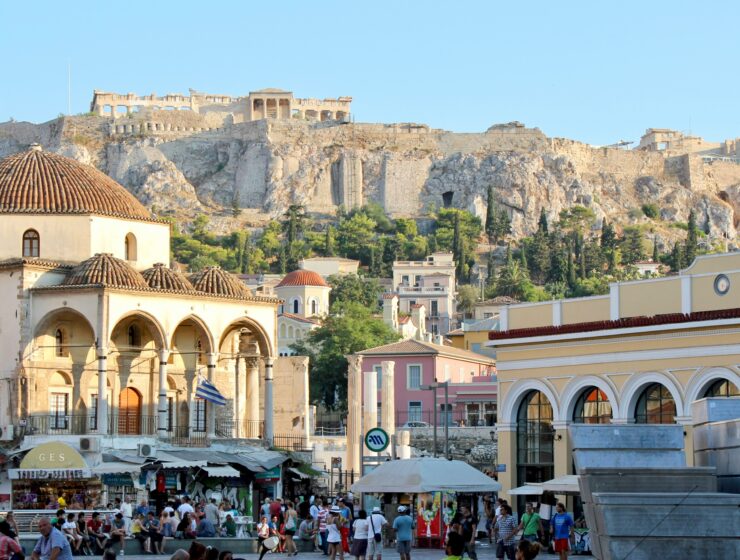
Athens ranked second least liveable city in Europe, Zurich tops Europe’s most liveable list.
