
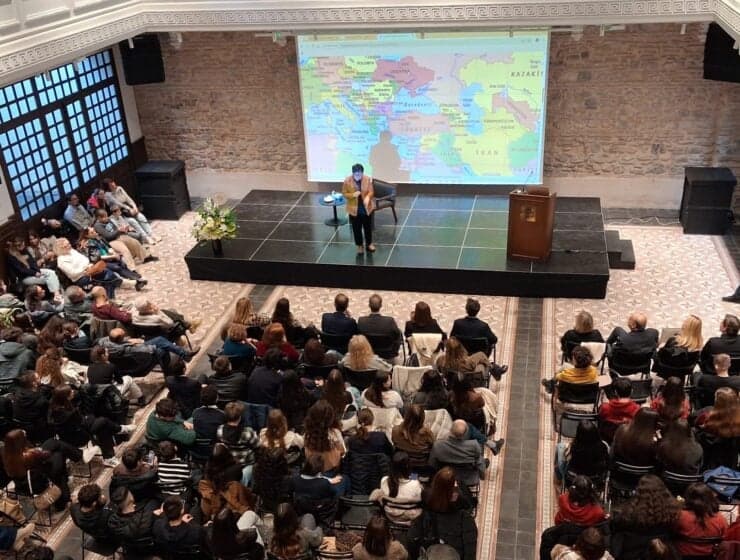
The Greek Consulate General in Istanbul hosted two major events yesterday to mark World Greek…
Tag: Constantinople
Most of John’s relics were looted from Constantinople by crusaders in 1204 and taken to Rome, but some of his bones were returned to the Orthodox Church on 27 November 2004 by Pope John Paul II. Since 2004 the relics have been enshrined in the Church of St. George, Istanbul.
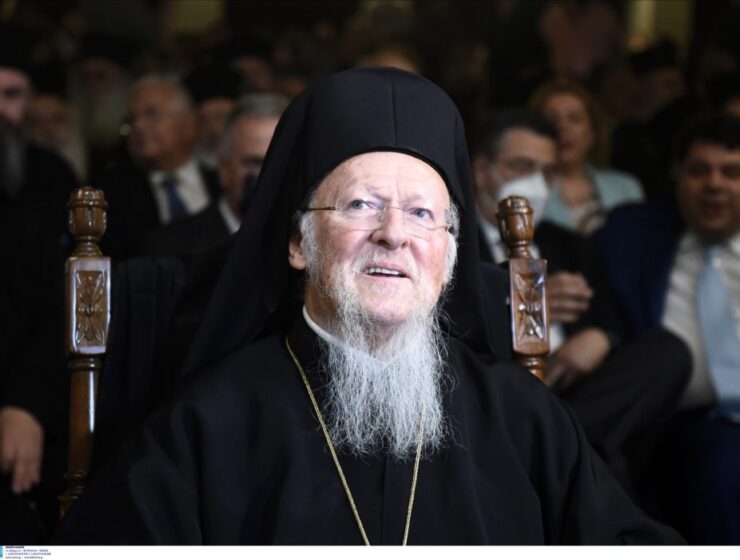
Russia’s Foreign Intelligence Service (SVR) has launched a sharp public attack against Ecumenical Patriarch Bartholomew,…
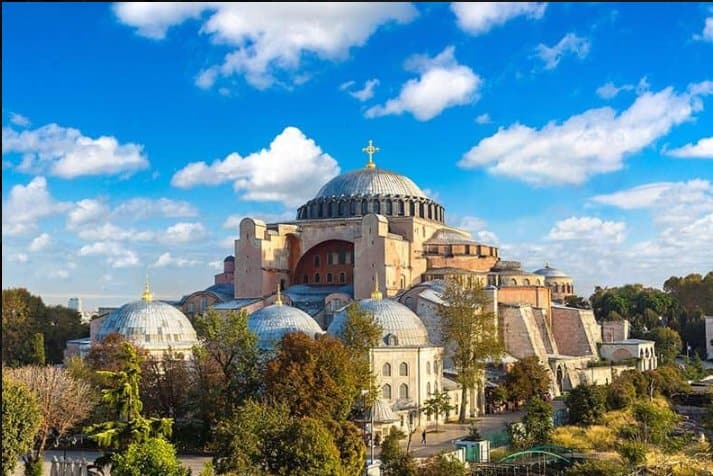
The Church of Hagia Sophia (literally “Holy Wisdom”) in Constantinople, now Istanbul, was initially dedicated 360 by Emperor Constantius, the son of the city’s founder, Emperor Constantine.
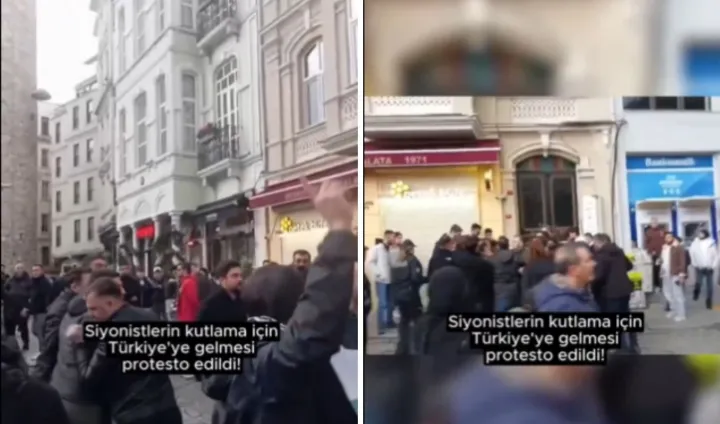
Seven Jewish individuals were reportedly attacked outside a synagogue in Istanbul while on their way to celebrate Hanukkah, according to unverified video footage circulating on social media. The incident has raised renewed concerns about the safety of Jewish communities amid a global rise in antisemitic incidents.
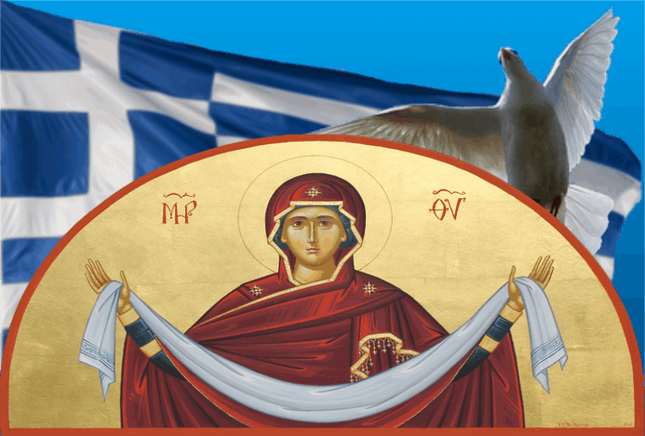
On October 28, the Greek Orthodox Church commemorates the Feast Day of the Protection of…
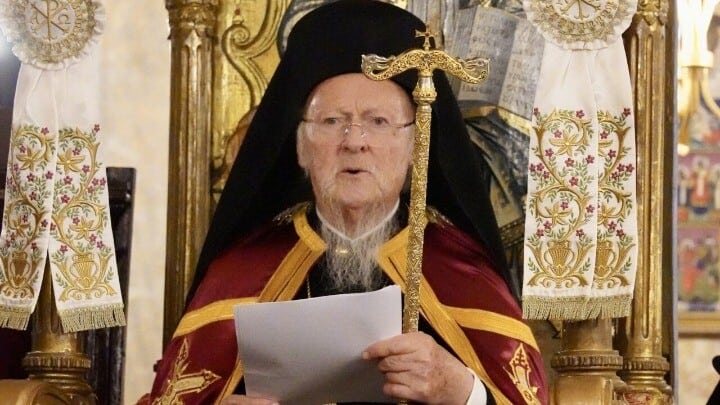
Ecumenical Patriarch Bartholomew reaffirmed the enduring support of the Ecumenical Patriarchate for the Patriarchate of…
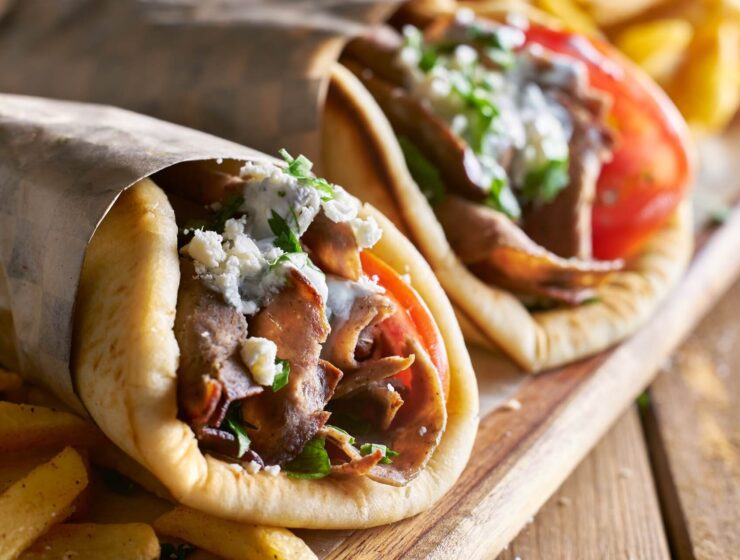
Greece’s iconic gyros has topped TasteAtlas’ global ranking of the “20 Best Wraps” for October 2025, beating culinary favourites from Mexico, Turkey, and South Korea.
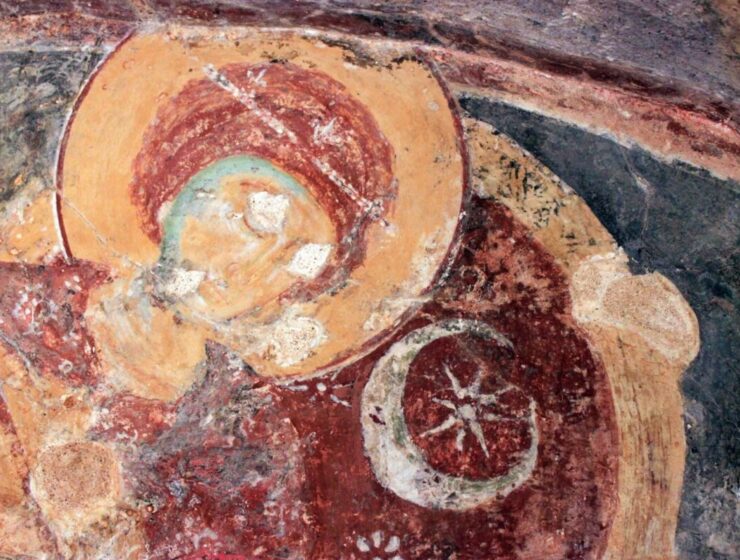
The crescent and star are now widely recognized as symbols of Islam, but their origins stretch back to ancient Greece and Byzantium. From goddess Selene to Christian frescoes and Ottoman imperial power, this emblem’s journey reveals a story of cultural inheritance and transformation.

The Hagia Sophia, a structure that has transcended time and purpose, stands today as a testament to human ambition and artistic brilliance.
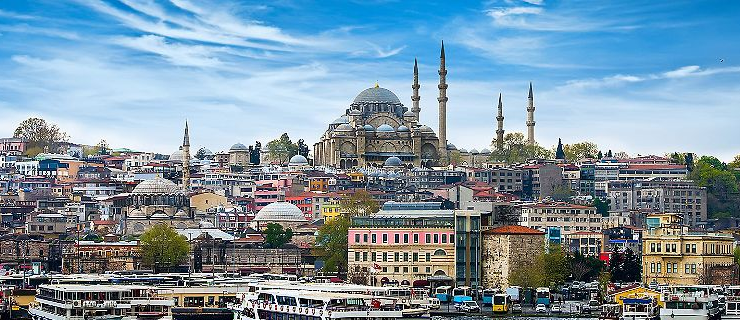
On May 16, 1930, Constantinople was officially renamed Istanbul by Atatürk’s government, capping a campaign begun in 1916 by Enver Pasha that saw 12,000–14,000 villages stripped of non-Turkish names. The move, part of Turkey’s nationalist push, erased multicultural heritage tied to Christian communities.

Greek Foreign Minister Giorgos Gerapetritis visited the Halki Theological School, met Bishop Kassianos, Metropolitan Dimitrios, and Ecumenical Patriarch Bartholomew in Constantinople, reinforcing ties between Greece and the Ecumenical Patriarchate.
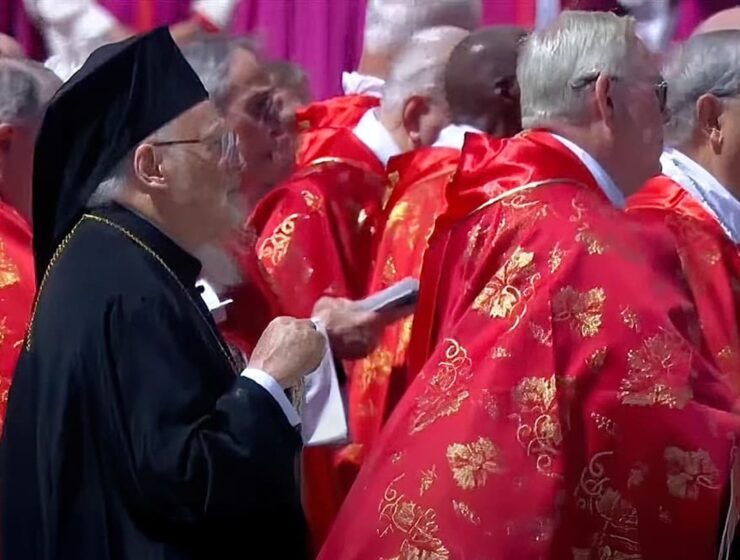
His All-Holiness Ecumenical Patriarch Bartholomew was accorded a position of special honor at Pope Francis’ funeral in Rome on April 26, 2025, seated next to the high altar in recognition of his role as second only to the Bishop of Rome, per ancient Ecumenical Council canons. Praising the late pontiff as a “true friend of Orthodoxy,” Bartholomew’s presence underscored the deep ties between the Orthodox and Catholic Churches.

A Turkish court has halted the release of the horror film Rum Yetimhanesi after the Ecumenical Patriarchate objected to its unauthorized use of the historic Prinkipo Orphanage on Buyukada, arguing the film’s depiction as a haunted site distorts its cultural legacy and risks inciting hatred.
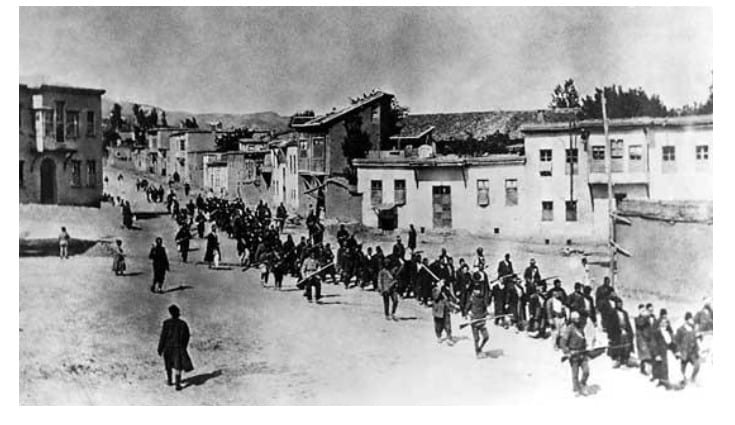
On April 24, 1915, the Ottoman authorities arrested 250 Armenian intellectuals and community leaders in Constantinople, marking the start of the Armenian Genocide. Deported to Chankri and Ayash, most were later killed. This date is commemorated annually as Armenian Genocide Remembrance Day.
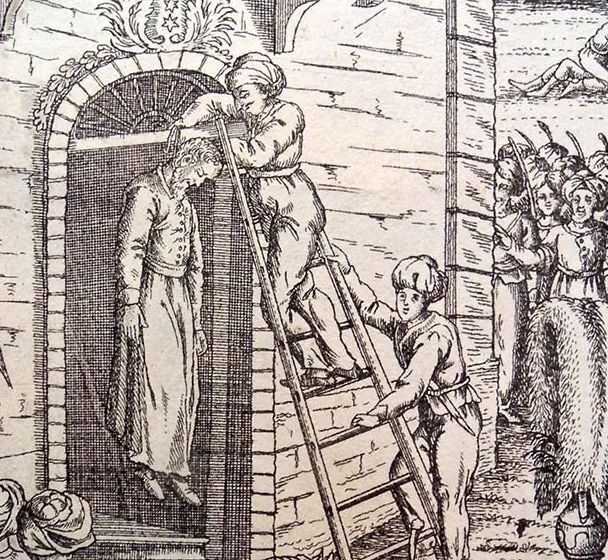
During Holy Week in April 1821, Gregory was taken out of the Patriarchal Cathedral on Easter Sunday, after celebrating the Easter Liturgy. He was accosted by the Turks and taken out in full Patriarchal vestments and hanged.

Homer’s Iliad, one of the most celebrated and studied epic poems in history, has long resisted successful adaptation. While it has inspired countless modern novelists across diverse traditions, its transition to visual media has often fallen short. … Yet, centuries from now, it’s likely that humanity will remain far more captivated by the 52 illustrations of the Ambrosian Iliad, crafted around the turn of the sixth century in Constantinople or Alexandria.
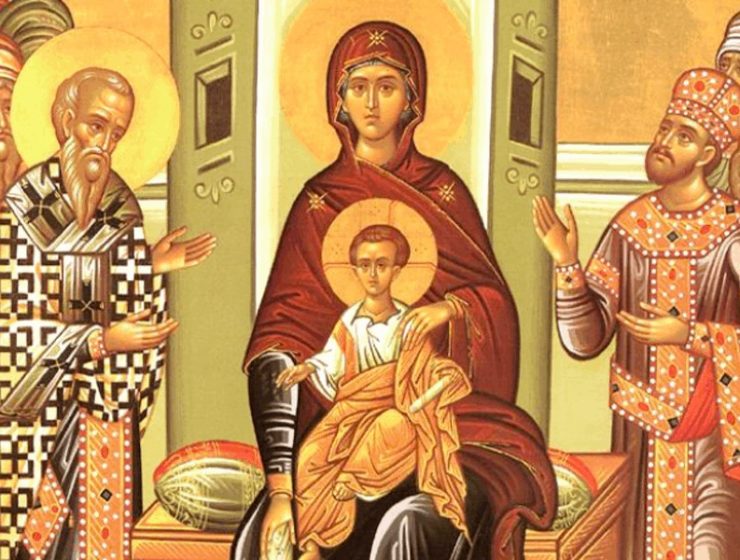
The Akathist Hymn is a profound, devotional poem or chant that praises the Holy Mother…

Turkish nationalists are calling for Archbishop Elpidophoros to lose his citizenship and be barred from Turkey after he referred to the Ecumenical Patriarchate and used “Constantinople” during a White House event, sparking accusations of anti-Turkish sentiment.

A scientific study crowns “Sophia” as the world’s most beautiful name, praised for its melodic sound and deep meaning. Rooted in the Greek word for “wisdom,” Sophia carries a legacy of virtue, history, and global appeal—from ancient philosophy to the iconic Agia Sophia.

Turkish authorities have detained Istanbul Mayor Ekrem Imamoglu days before his expected presidential nomination, citing corruption and terror-related charges. The move, denounced by the opposition CHP as a “coup,” has sparked political tensions and caused the Turkish lira to hit an all-time low.

Empress Irene of Athens, a pivotal figure in Byzantine history, navigated a world of political intrigue and religious upheaval. From restoring icon veneration to claiming the imperial throne for herself, her reign (797-802) was marked by both piety and ruthlessness. This article explores her complex legacy, examining her impact on the Byzantine Empire and the wider Christian world.
Most of John’s relics were looted from Constantinople by crusaders in 1204 and taken to Rome, but some of his bones were returned to the Orthodox Church on 27 November 2004 by Pope John Paul II. Since 2004 the relics have been enshrined in the Church of St. George, Istanbul.
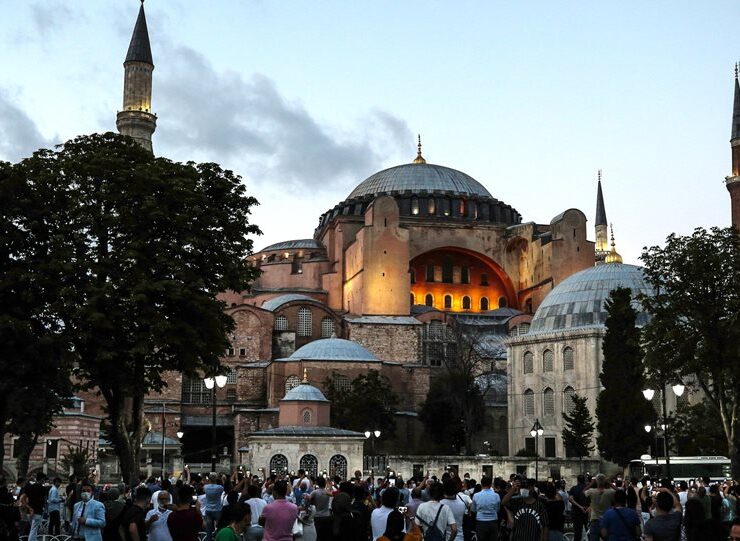
Centuries-old legends from the island of Rhodes whispered of a crucial contribution to the majestic Hagia Sophia: the very bricks used to construct its magnificent domes. Now, cutting-edge scientific research has confirmed these whispers, revealing that the iconic structure owes its strength and lightness to the unique clay of this small Aegean island. Discover the fascinating story of how Rhodian materials and Byzantine ingenuity combined to create one of the world’s architectural marvels.
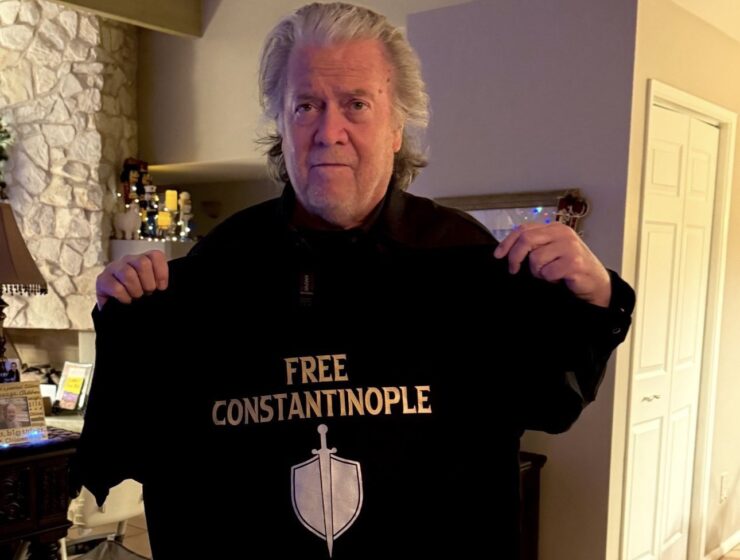
A photo of former Trump advisor Steve Bannon wearing a “Free Constantinople” t-shirt has stirred controversy in Turkey, with many viewing it as a provocation. The image, shared by commentator Rahim Kassam, has sparked extensive debate and media coverage, highlighting the potential for social media to inflame geopolitical tensions.
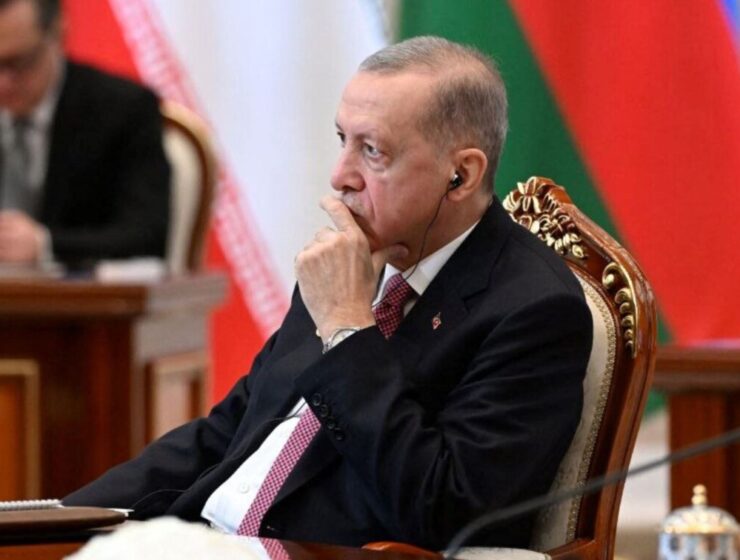
Turkish President Recep Tayyip Erdoğan’s recent comments on Jerusalem raise significant questions about Turkey’s sovereignty over Istanbul. While his government claims to protect religious heritage, Erdoğan’s actions, such as the conversion of major Christian landmarks into mosques, tell a different story. These moves not only challenge the status of Jerusalem but also highlight concerns about religious freedom and minority rights within Turkey. As discussions on Jerusalem’s status unfold, the international community may reconsider its stance on Istanbul’s sovereignty.

Ecumenical Patriarch Bartholomew presided over the feast of St. Andrew in Istanbul, bestowing honors, welcoming a delegation from Rome, and emphasizing the importance of interfaith dialogue and peace amidst global conflicts. He also expressed optimism for the reopening of the Halki Theological School.
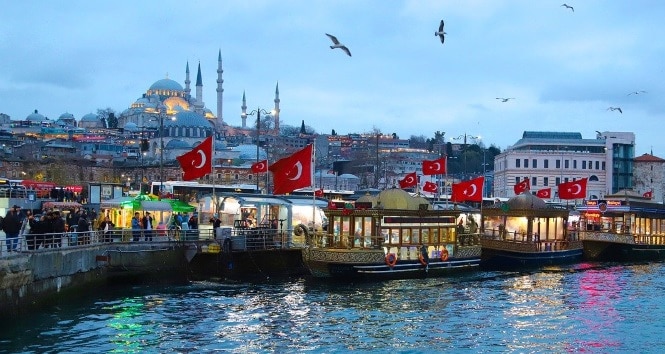
A Greek mother’s Istanbul shopping trip turned into a “Midnight Express”-like ordeal after she accidentally took a shopkeeper’s phone. Despite the shopkeeper withdrawing his complaint, she remains in Turkey facing trial, separated from her deported daughter. Her family pleads for her return.

Pope Francis has expressed his wish to visit Turkey in 2025 to commemorate the 1,700th anniversary of the Council of Nicaea. This visit will align with the Pope’s Holy Year celebrations and aims to foster dialogue with Orthodox Christians, highlighting the historical significance of Nicaea in both church and human history.

The Hellenic Lyceum of Sydney transported audiences on a captivating journey through 1,000 years of…
