

Farmers and livestock breeders in Chania, Crete, have begun large-scale mobilizations and road blockades in protest over the OPEKEPE subsidy scandal, which they say threatens the survival of the entire livestock sector. They are demanding immediate payments, compensation, and fair representation in agricultural policy decisions.
Tag: economic crisis

Imprisoned far-right leader Ilias Kasidiaris is poised to launch a new nationalist party as a prosecutor recommends his release, aiming to capitalize on societal discontent. Amid a declining Greek far-right, his plans could reshape the political landscape, fueled by migration debates and nationalist fervor.
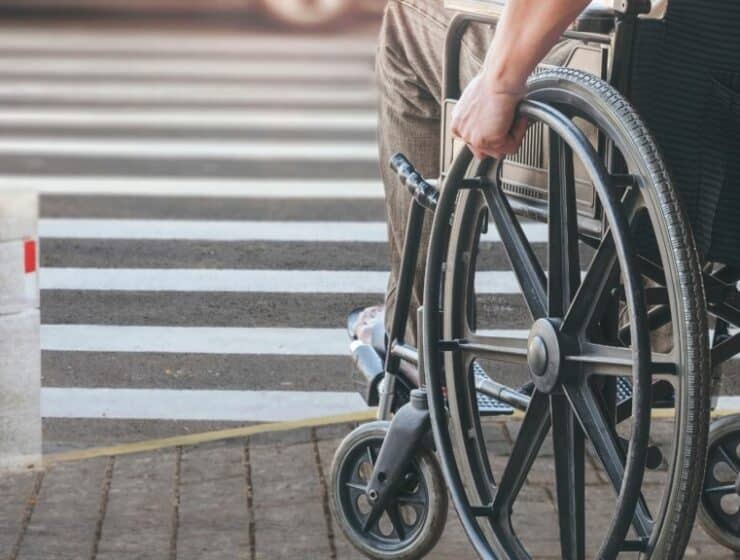
In Greece, people with disabilities face dire circumstances, with the country ranking second-worst in the EU for their living conditions. According to the National Confederation of Persons with Disabilities, half of those aged 16–64 live in poverty or social exclusion, while 80% cut essential expenses to afford healthcare. With only 25.3% in the workforce and soaring housing costs, many, especially the elderly, are pushed to the margins of society.
Greece has launched a campaign to reduce drowning deaths, with around 400 fatalities reported annually in its seas and pools. Partnering with Safe Water Sports, the initiative targets both tourists and residents, focusing on education and first aid training. Data shows 254 of last year’s 388 drownings involved people over 70, while drowning remains a leading cause of death for children under 14.

Brussels’ €800 billion ReArm Europe initiative has ignited hope for Greece’s struggling defense industry, scarred by years of economic crisis and corruption. While €650 billion offers fiscal flexibility, the €150 billion in loans raises questions about distribution. Greece, lacking a national industrial strategy, risks being sidelined as powers like Germany and France, alongside non-EU players like Turkey, vie for funds. With a tight five-year timeline, the stakes are high for Greece to seize this chance or watch inequalities grow.
Japanese Prime Minister Shigeru Ishiba has warned that Japan’s financial situation is worse than Greece’s, citing a debt-to-GDP ratio exceeding 260%, an aging population, and a declining birth rate. Speaking recently, Ishiba highlighted the severity of Japan’s economic challenges, though the country’s unique economic structure differentiates it from Greece’s past crisis.

In a historic moment for Greece, the chant of “Christos Anesti” rang through St. Peter’s Basilica at Pope Francis’ funeral, echoing his dream of unity between Catholics and Orthodox Christians. Following Pope John Paul II, Francis was only the second pontiff to visit Athens, forging ties during Greece’s economic and migrant crises. From the Great Schism of 1054 to modern diplomacy, their visits marked a journey of reconciliation, with Francis’ 2016 and 2021 trips to Lesbos underscoring solidarity and peace.

Greek farmers staged a protest in Thessaloniki, demanding government action and a meeting with Prime Minister Kyriakos Mitsotakis. Clashes with police occurred as authorities blocked their path to the Thessaloniki Summit 2025, where Mitsotakis was speaking. Chanting pro-farmer slogans, they eventually advanced but were stopped again. After learning the Prime Minister had already left, the farmers vowed to continue their blockades and push for a meeting in Athens. Their protest highlights growing tensions over economic struggles in the agricultural sector.

Greek Prime Minister Kyriakos Mitsotakis faces growing public dissatisfaction as economic hardships persist despite progress in national financial indicators. A *Handelsblatt* report highlights that real incomes remain 23.7% lower than pre-crisis levels, with inflation, high energy costs, and stagnant wages fueling frustration. While New Democracy leads in polls, its shrinking margin and declining approval rates pose significant challenges to Mitsotakis’ leadership.
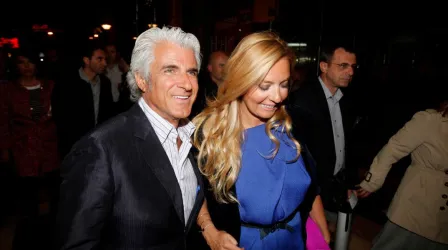
Antonis Lyberis, the self-made Greek publisher who built a magazine empire from a small office in Victoria Square, has died at 71. His publications, including “Status” and “Ego,” dominated the Greek market for years before the economic crisis led to the collapse of Liberis Publications in 2012.

As a Greek family-owned business, Harrolds is Australia’s only privately owned luxury department store. Founded…

Former Greek Prime Minister Alexis Tsipras called for a leftward political shift and economic reforms at a conference in Piraeus on Tuesday. He stressed the need to reduce Greece’s reliance on tourism and real estate, advocating for social cohesion and inclusivity for the working class. Tsipras urged fair taxation and the development of a sustainable energy market, warning that failure to restore balance in the political system could lead to a dangerous shift to the right.

Greece’s minimum wage is set to rise by 46% to 950 euros by 2027, Labour Minister Niki Kerameus announced. The increase is part of a government plan to boost incomes, with discussions underway on how it will be implemented. Kerameus also confirmed a pension increase of 2.2%-2.5% starting in January 2025, following a cumulative 13% rise in pensions over the past three years.

Greece has unveiled a set of financial incentives and tax breaks aimed at addressing its declining birthrate, one of the lowest in Europe. Despite investing about one billion euros annually in pro-child initiatives, the country recorded its lowest birthrate in 2022. Experts remain skeptical about the effectiveness of these measures and emphasize the need for broader structural improvements to tackle the underlying issues.
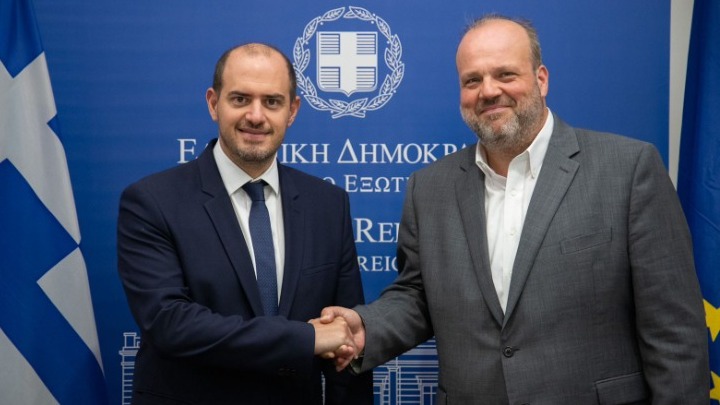
Greece has launched a new initiative to engage its diaspora and attract Greeks living abroad back to the domestic job market. A memorandum of cooperation was signed by Deputy Foreign Minister George Kotsiras and DYPA Head Spyros Protopsaltis, outlining plans for employment opportunities, entrepreneurship, and training programs.
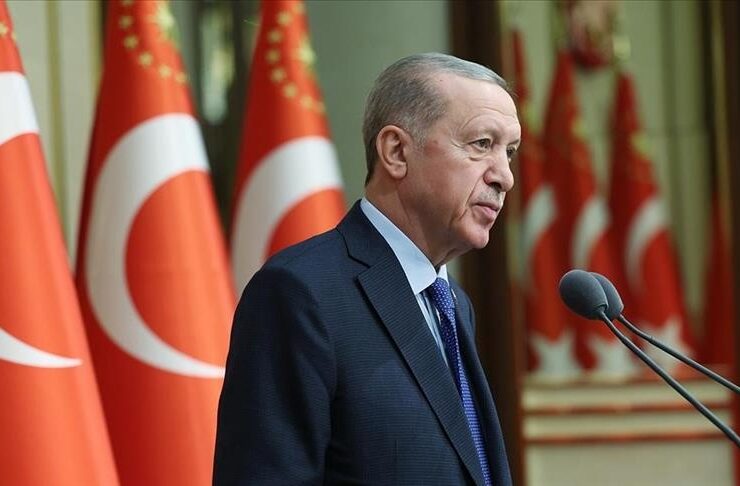
Turkey faces the highest risk of civil unrest among all G20 nations within the next year, surpassing even Russia and the United States, according to a new Bloomberg Economics analysis. The report cites intensifying political polarization, economic distress, and the suppression of dissent as key factors contributing to the country’s precarious position.
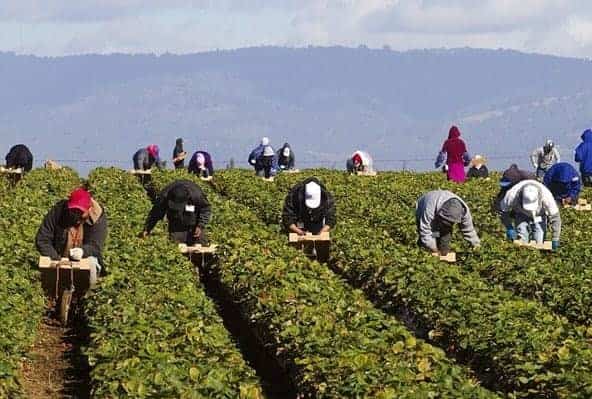
Greece will be welcoming workers from Egypt this summer to address labour shortages in the…
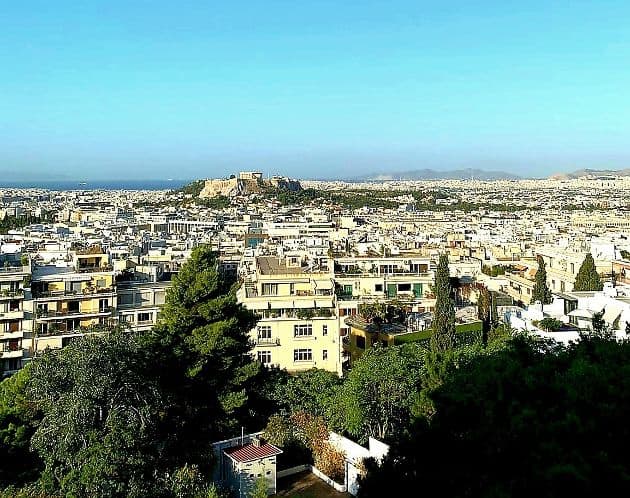
In the wake of Greece’s prolonged financial turmoil, a significant shift has occurred in the…
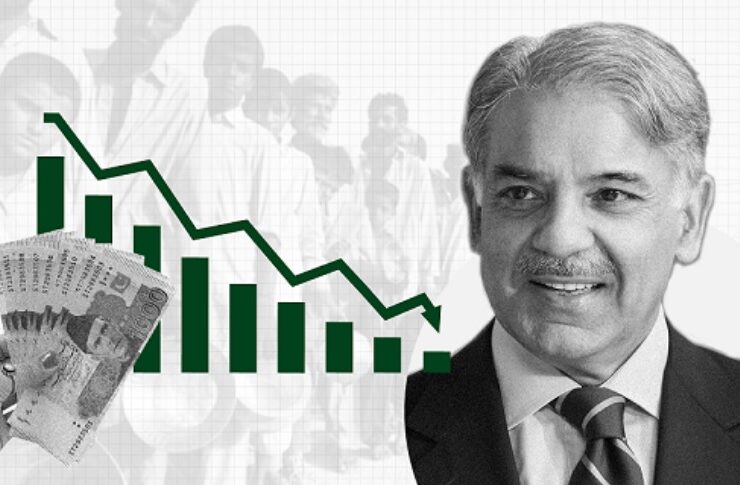
Just how serious Pakistan’s economic woes are reflected in remarks of Kristalina Georgieva, Managing Director…
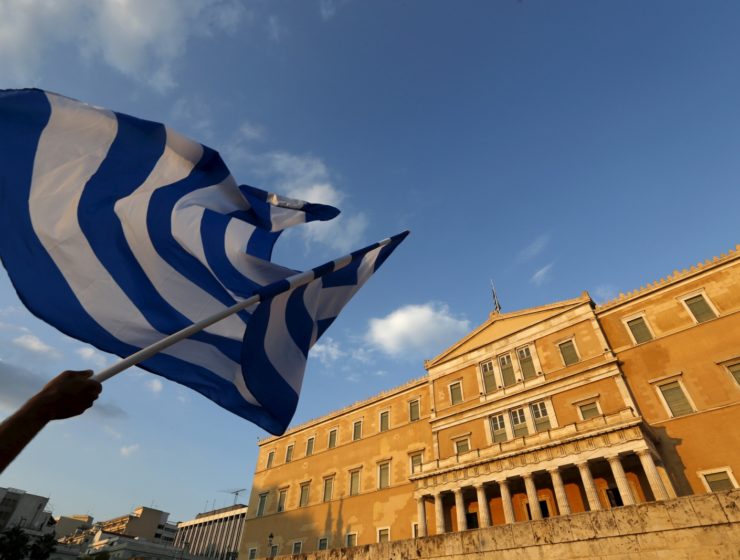
Government spokesperson Yiannis Economou stressed on Monday that the Mitsotakis government has had to deal…
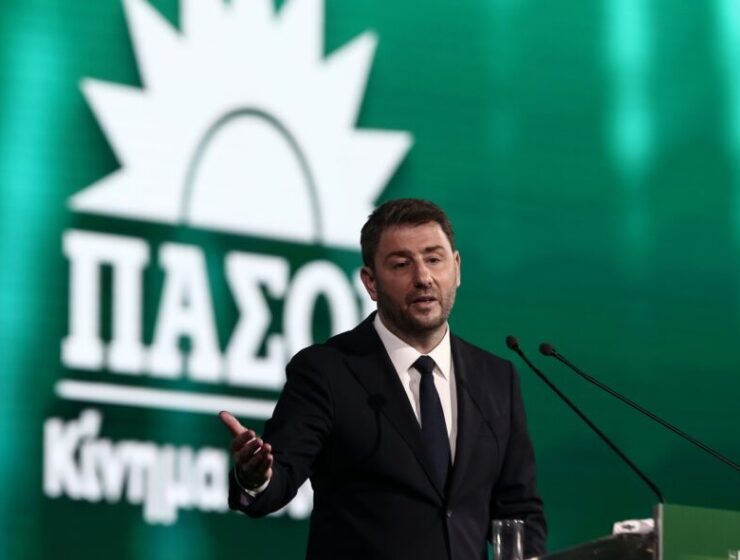
Leader of the opposition PASOK-Movement for Change leader Nikos Androulakis said on Thursday that the…
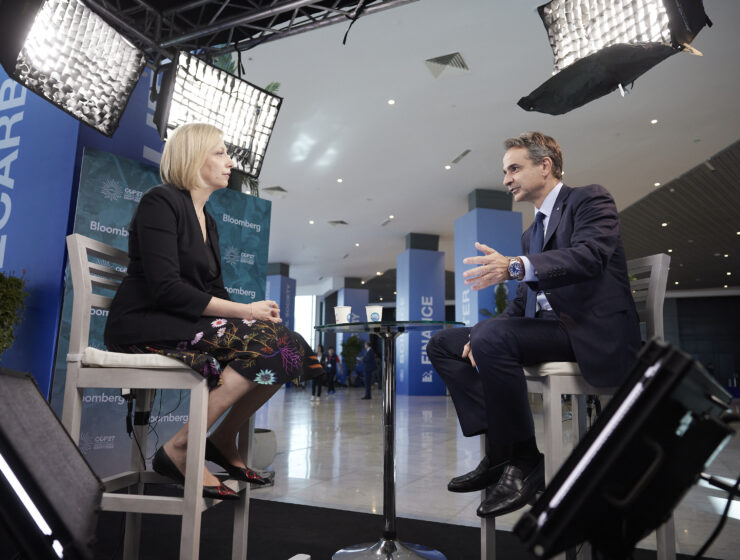
“Greece is becoming an energy hub to bring in liquefied natural gas, not just to…
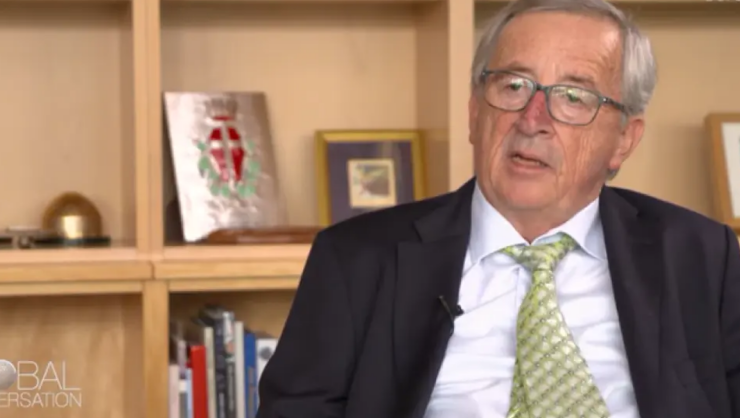
Former European Commission President Jean-Claude Juncker referred to the austerity measures and memoranda imposed on…
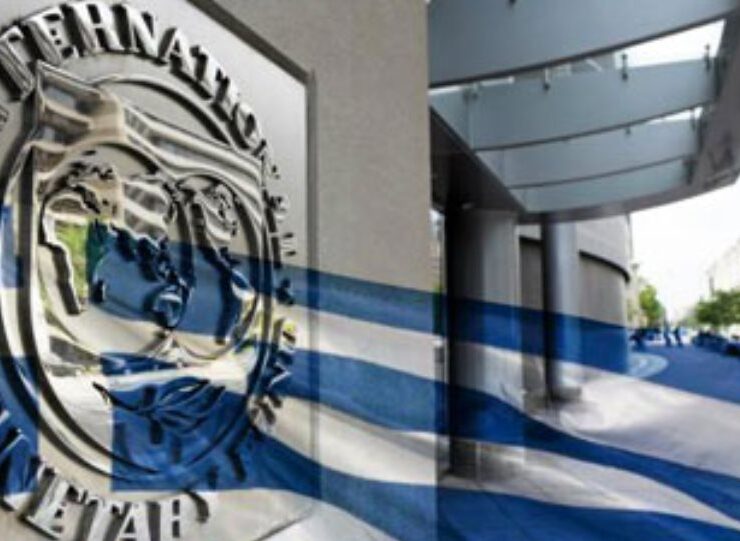
Greece will repay the final tranches of bailout loans owed to the International Monetary Fund…
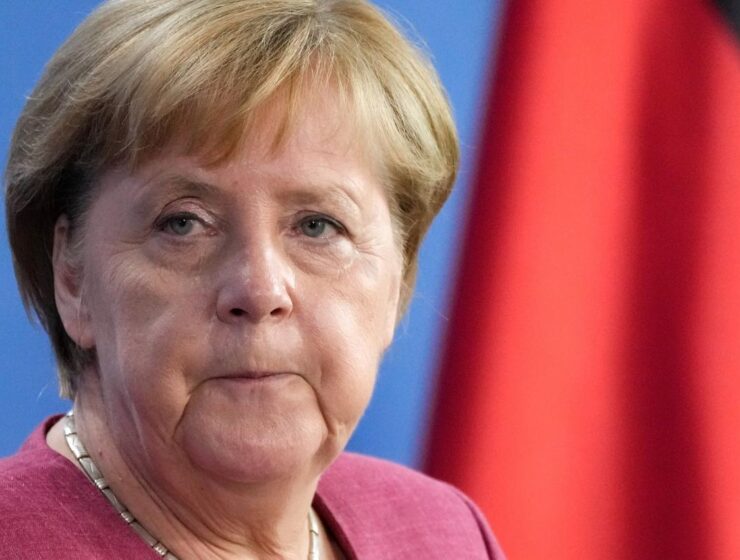
Kati Marton, the biographer of former German Chancellor Angela Merkel, is attempting to give the…
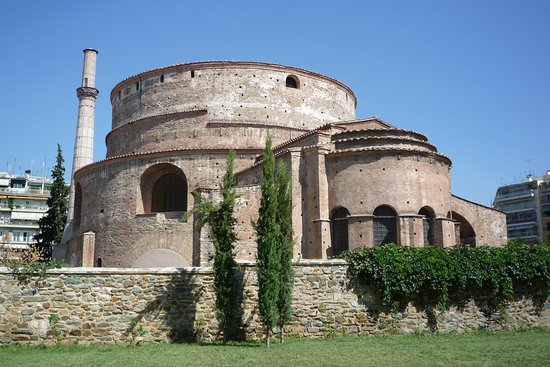
Turkish pro-government daily Daily Sabah, has published another article targeting Greece with falsities, historical inaccuracies…
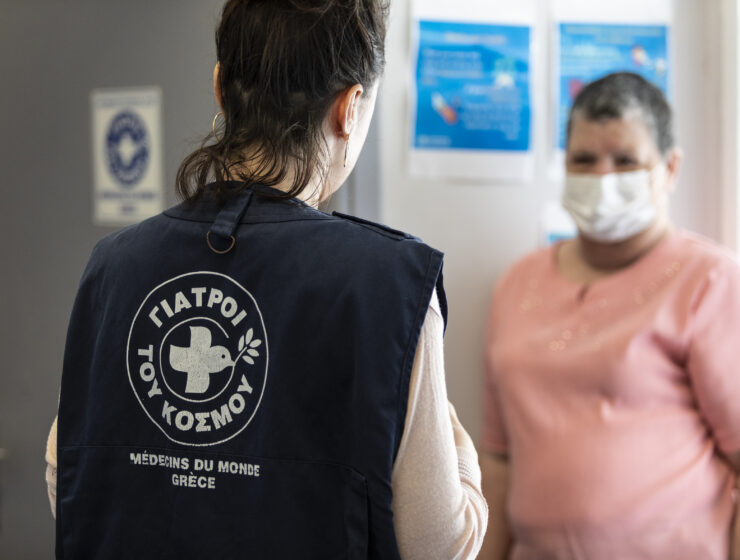
The Hellenic Initiative Australia announced a €54,000 grant to Doctors of the World Greece (MdM Greece),…
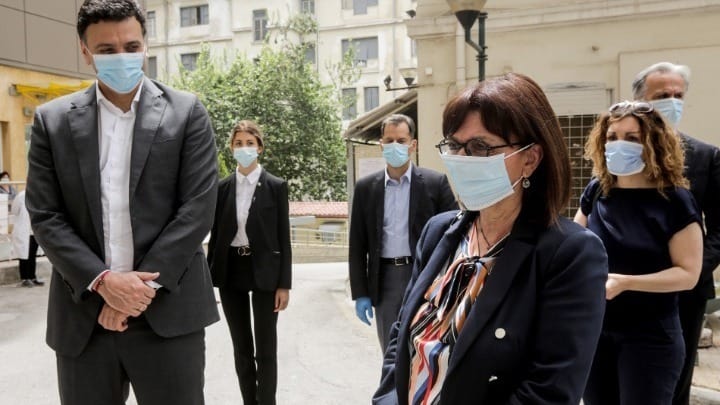
Greek Prime Minister Kyriakos Mitsotakis on the occasion of International Nurses Day, thanked nursing staff…
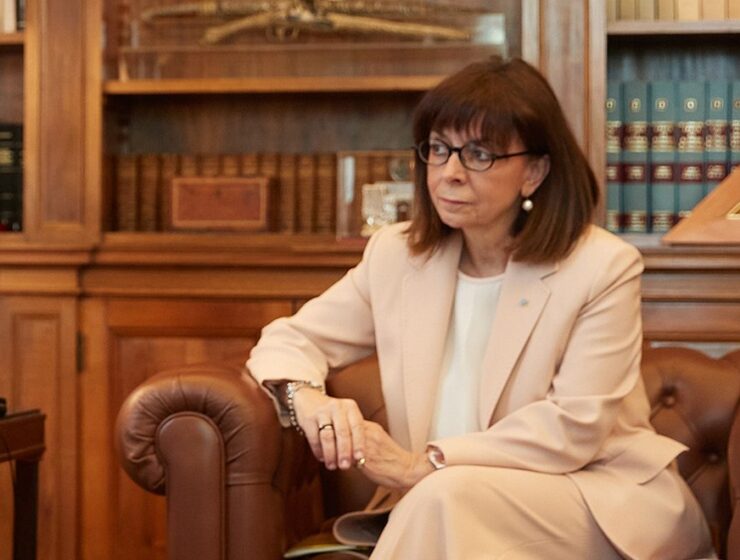
On the occasion of Europe Day and the 70th anniversary since the Schuman Declaration, which…
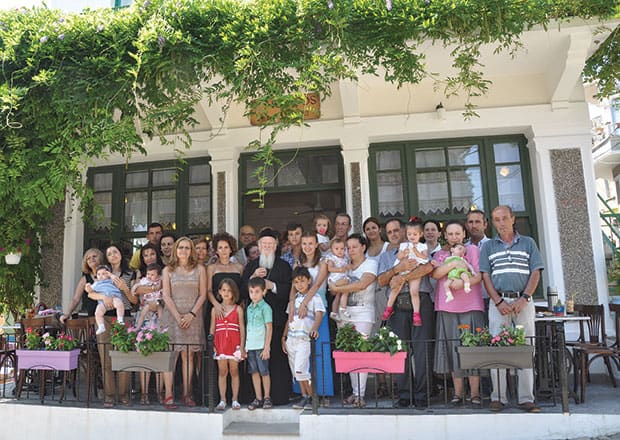
It is assumed that Greek life in Turkey is on its last breathe after centuries…
