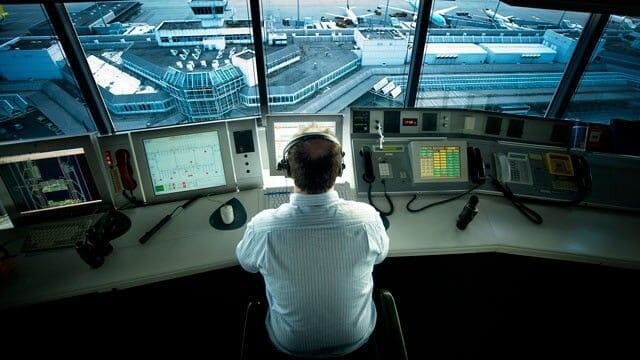
Greece’s outdated radar and communications infrastructure has once again drawn sharp criticism from Brussels after a major outage on January 4, 2026, knocked the Athens Flight Information Region (FIR) offline for hours, triggering widespread flight chaos across the country and Europe.
The incident – involving a sudden collapse of radio frequencies due to massive interference (later traced to a faulty antenna in the Geraneia Mountains) – grounded departures and arrivals nationwide, diverted dozens of flights, stranded thousands of passengers, and caused delays, cancellations, and lost baggage. Authorities quickly ruled out a cyberattack, but the root cause exposed chronic vulnerabilities in ageing systems.
An EU official stressed that while flying in Greece remains safe overall, the blackout “once again underlines the urgent need for Greece to modernise its outdated air traffic management system.” Key issues include:
- Failure to fully deploy advanced radars to replace obsolete ones.
- Incomplete implementation of required Performance-Based Navigation (PBN) procedures, which improve safety, efficiency, and environmental impact.
In December 2025, the European Commission referred Greece to the Court of Justice of the European Union over non-compliance with PBN rules (under Regulation (EU) 2018/1048), with potential heavy fines looming if Athens fails to act. Greece has not published PBN procedures for 44 runway ends, despite a 2020 deadline.
Transport Minister Christos Dimas met Commission officials in Brussels shortly after the incident, though the EU insists the court referral is separate. Still, the official emphasised that addressing these gaps “as a matter of urgency will further enhance safety.”
Domestic Pressure Mounts
The outage has reignited fierce criticism of the Mitsotakis government’s transport record, drawing parallels to the deadly 2023 Tempi train crash (where safety assurances were questioned post-disaster). Pilots and air traffic controllers have repeatedly warned the Transport Ministry about daily frequency issues, outdated transmitters in mountainous areas, and neglected upgrades.
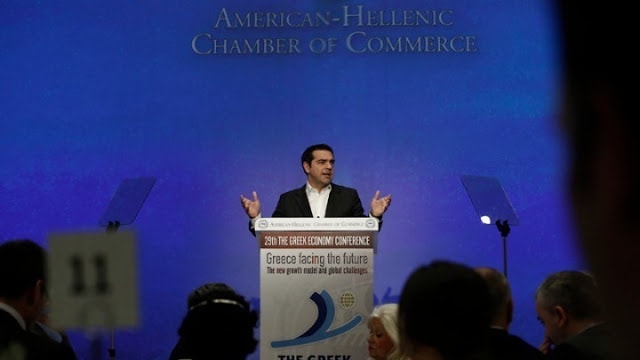
Air traffic controller Olga Toki highlighted that equipment is “decades out of date.” A contract for modern communications signed under former PM Alexis Tsipras was reportedly ignored, and radar replacement procurement has stalled.
Deputy Minister Konstantinos Kyranakis acknowledged the systems are inherited and outdated but offered no clear timeline for fixes beyond ongoing plans (targeting completion by 2028). Unions like the Hellenic Air Traffic Controllers Association (EEKE) and European body ATCEUC have blasted chronic underfunding and inaction, warning of risks to safety.
Greece lobbied successfully for the EU transport portfolio after the 2024 elections, with Commissioner Apostolos Tzitzikostas in place – yet he has remained silent on the FIR incident so far.
This latest embarrassment underscores broader concerns: Greece’s air traffic system, strained by post-debt-crisis underinvestment, no longer fully meets EU standards. Modernisation is long overdue to prevent future disruptions in one of Europe’s busiest southeastern corridors.
Stay updated with the latest news from Greece and around the world on greekcitytimes.com.
Contact our newsroom to share your updates, stories, photos, or videos. Follow GCT on Google News and Apple News.