

The Voice of Greece commemorates Hélène Glykatzi-Ahrweiler obituary with a special broadcast on her life as a pioneering Byzantinologist. Tune in February 18, 2026.
Archaeology
By Greek City Times Among the thousands of documents recently examined from the U.S. Department…

Licensed tour guides in Greece are regulated by law to ensure professional standards. Learn the rules, verification methods, and benefits amid Greece’s 2025 tourism boom.
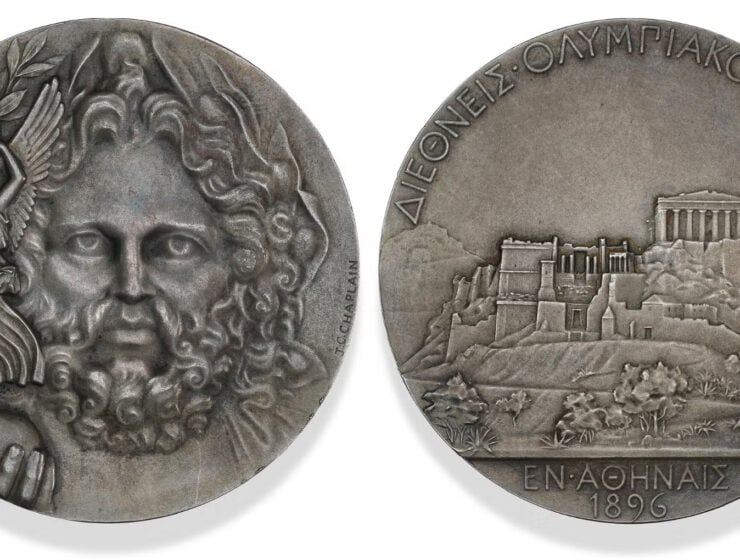
A rare winner’s medal from the first modern Olympic Games in Athens in 1896 is set to be auctioned next month.
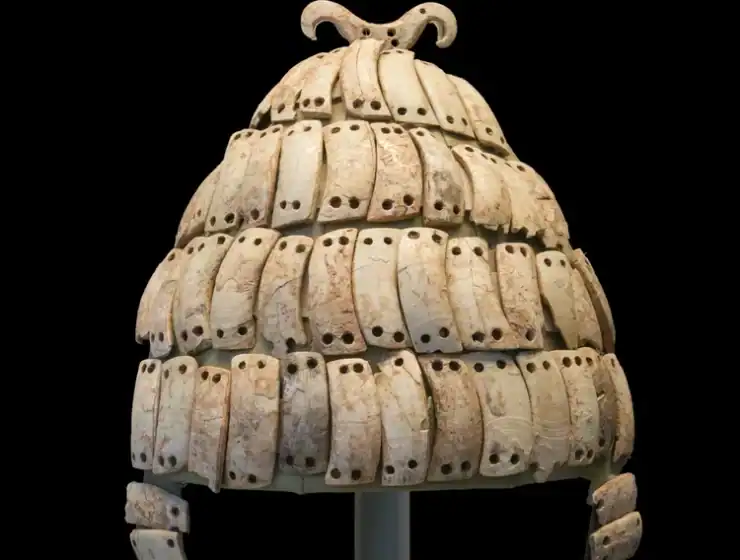
Archaeologists have uncovered a remarkable Mycenaean boar tusk helmet near Pylos, shedding new light on…
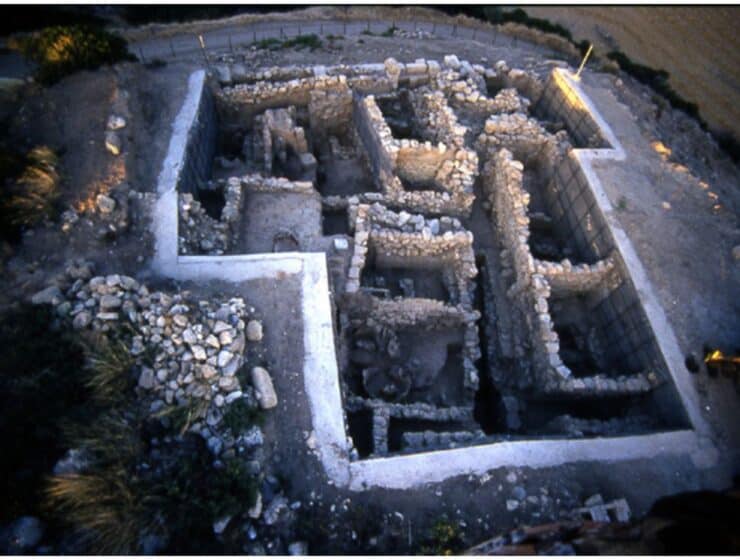
The ancient coastal site of Kynos in Livanates will undergo major conservation works after securing more than €2.78 million in EU funding under the Central Greece 2021–2027 programme.
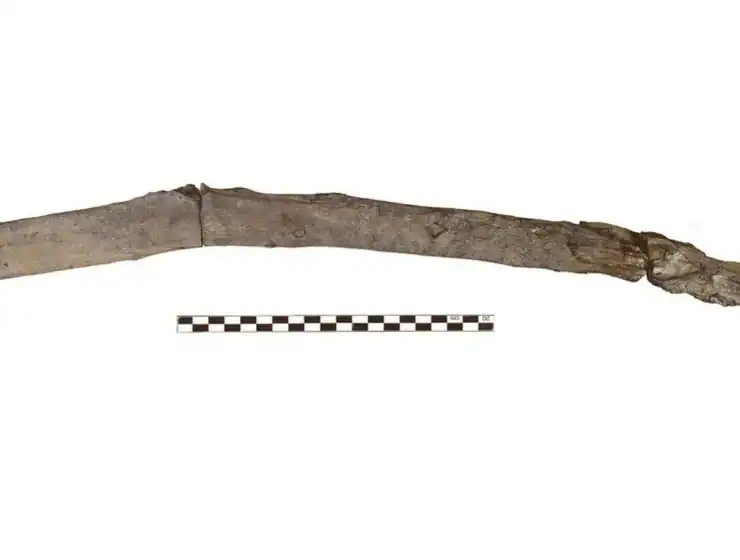
Archaeologists in Greece have uncovered the world’s oldest wooden tools, dating back 430,000 years, at the Marathousa 1 site in the Megalopolis Basin, Peloponnese. These rare artifacts—a sharpened 80 cm digging stick and a handheld shaping tool—were preserved in a former lakeshore wetland.

Turkish media outlet Türkiye Today accuses Greece of marginalizing Ottoman-era monuments and cultural layers around the Acropolis through new infrastructure and cultural routes focused on ancient classical sites. The article claims this creates a “hierarchy of history” that sidelines nearly 400 years of Ottoman influence in Athens, including neglected buildings, artifacts, and mosques—though fact-checks note a modern mosque operates in the city today. The debate highlights tensions over how multi-layered heritage is presented in national narratives.
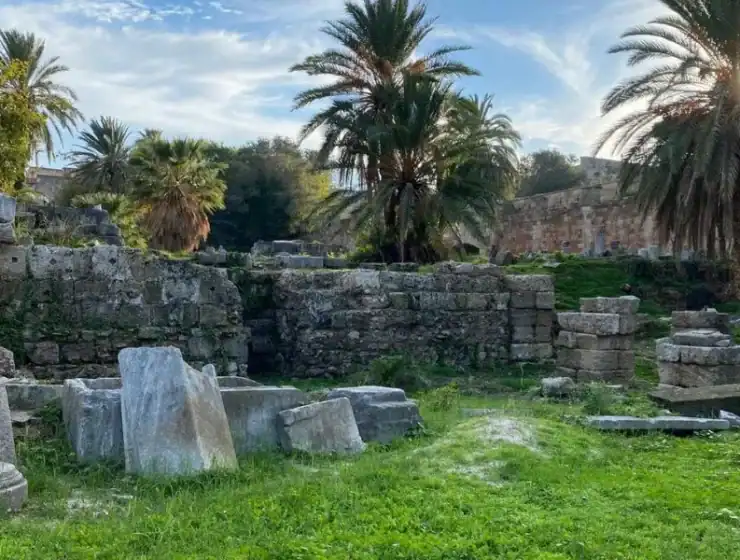
In a major cultural boost for Rhodes, the Ministry of Culture is advancing restoration works at the “Pervola” archaeological site within the UNESCO-listed Medieval City. The project focuses on consolidating the Roman Cardo processional road—with its stoas and shops—leading to the impressive Tetrapylon at the Cardo-Decumanus intersection, built over Hellenistic ship sheds (neoria) of the ancient military harbor. With a €4.5 million budget from the Recovery and Resilience Facility, the initiative aims to transform this historically layered area (spanning Hellenistic, Roman, Knights Hospitaller, and Italian periods) into an accessible open-air museum by summer 2026, complete with exhibits, improved readability, and full accessibility for people with disabilities.
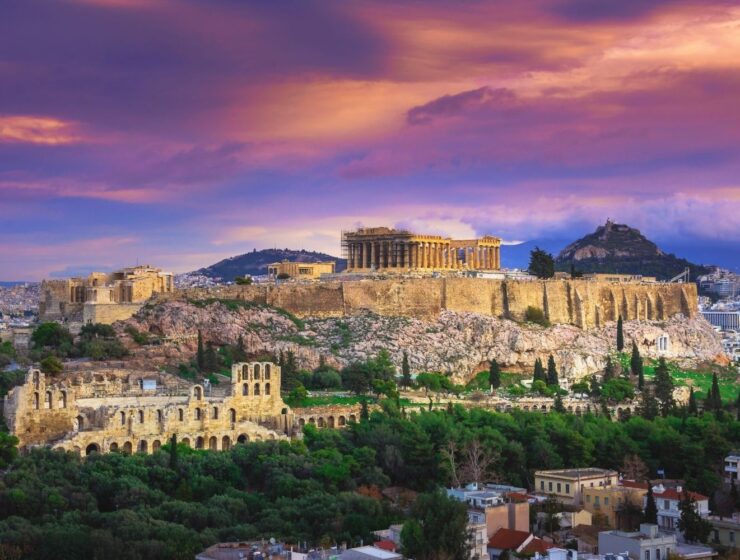
Greece’s Ministry of Culture is launching a major enhancement project for the ancient Koile Road (Koili Odos), integrating this key classical thoroughfare into the Acropolis cultural routes network. The initiative revives connections across the Western Hills—including Pnyx, Philopappos, and more—while boosting universal accessibility, preserving authenticity, and highlighting long-overlooked monuments for modern visitors.
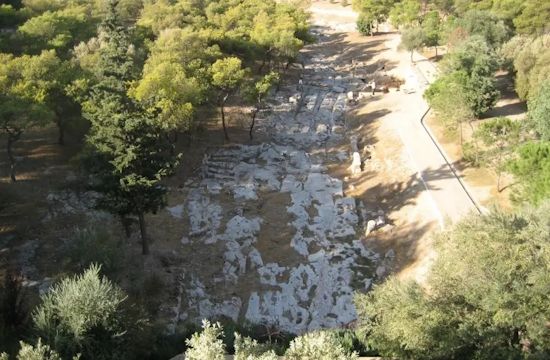
The Ministry of Culture is enhancing the ancient Koile Road—one of Athens’ key classical thoroughfares—by integrating it into the Acropolis cultural routes network. The project restores monuments such as the Pnyx, the Philopappos Monument, and Socrates’ Prison while prioritizing universal accessibility and minimal intervention to preserve authenticity. Minister Lina Mendoni highlights its role in connecting ancient political/commercial life to modern visitors.
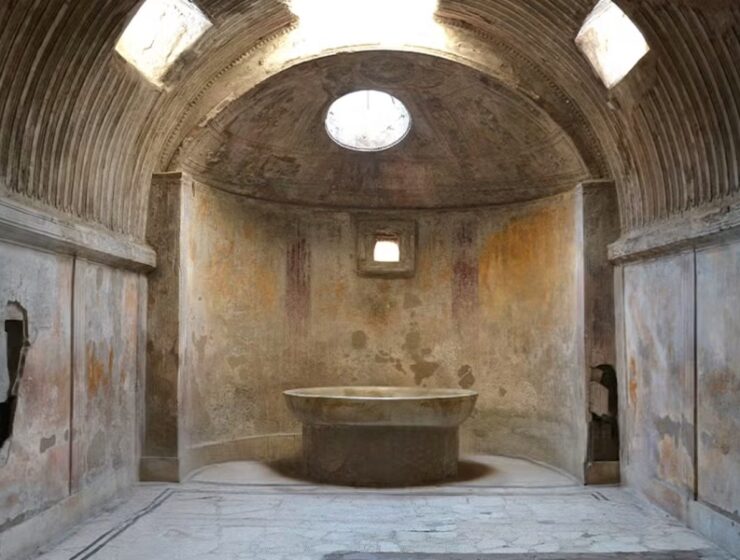
A 2026 PNAS study reveals Pompeii’s pre-Roman Republican Baths were heavily contaminated with human waste and rarely refreshed, acting as ancient “petri dishes.” Roman aqueduct upgrades brought cleaner water and better hygiene, though lead from pipes posed ongoing risks—highlighting class divides in access to safe water in the buried city.
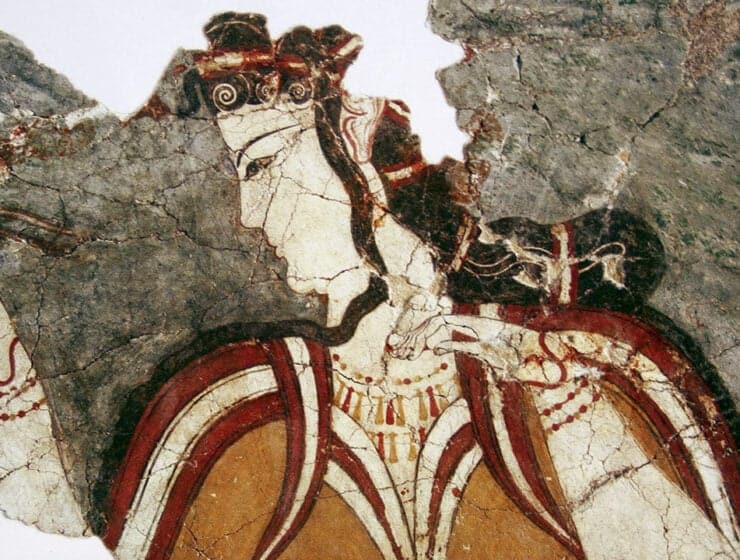
Genetic research confirms remarkable continuity in Greek DNA from Minoan/Mycenaean times to today, with minimal foreign influence across centuries. Discover why occupations left light footprints and a unique cardio-protective mutation in isolated Cretan villages.

Archaeologists have unearthed an extensive industrial complex from the Late Period and early Ptolemaic era, along with a Roman-period necropolis, in Egypt’s western Nile Delta. Discoveries include evidence of large-scale salted fish production, diverse workshops, varied burial practices, and artifacts like gold earrings.
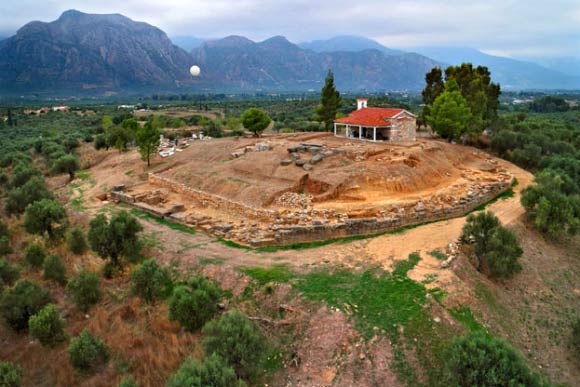
Recent 2025 studies at Agios Vasileios reveal Linear B tablets documenting trade and rituals, alongside luxury artifacts preserved by fire—proving Laconia was a thriving Mycenaean palatial state long before classical Sparta’s warriors.
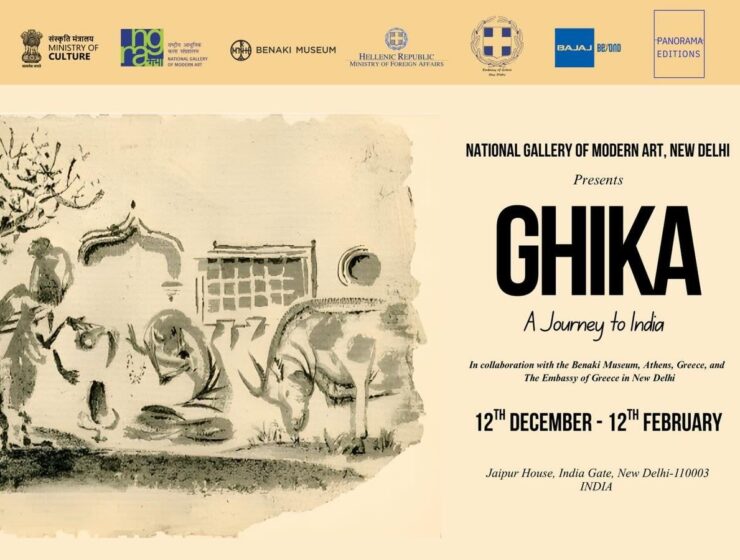
**Excerpt:** The “Ghika: A Journey to India” exhibition at NGMA New Delhi (Dec 11, 2025–Feb 12, 2026) presents original 1958 drawings by Greek modernist Nikos Hadjikyriakos-Ghika, capturing India’s landscapes, temples, dancers, and culture from his travels with Barbara Warner—celebrating 75 years of Indo-Greek ties.

Greece, Cyprus, and Israel have signed a landmark trilateral military cooperation plan for 2026, including joint exercises and discussions on a rapid-deployment force to enhance regional security amid tensions in the Eastern Mediterranean.
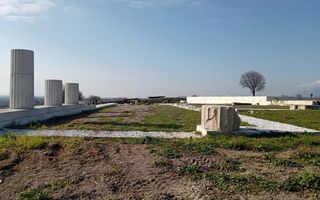
The archaeological site of the Palace of Pella, birthplace and childhood home of Alexander the Great, has officially opened to visitors in December 2025 after extensive restoration. This vast complex, once the political heart of ancient Macedonia, now features a new visitor center and coincides with the display of newly conserved Hellenistic marble statues at the nearby museum.
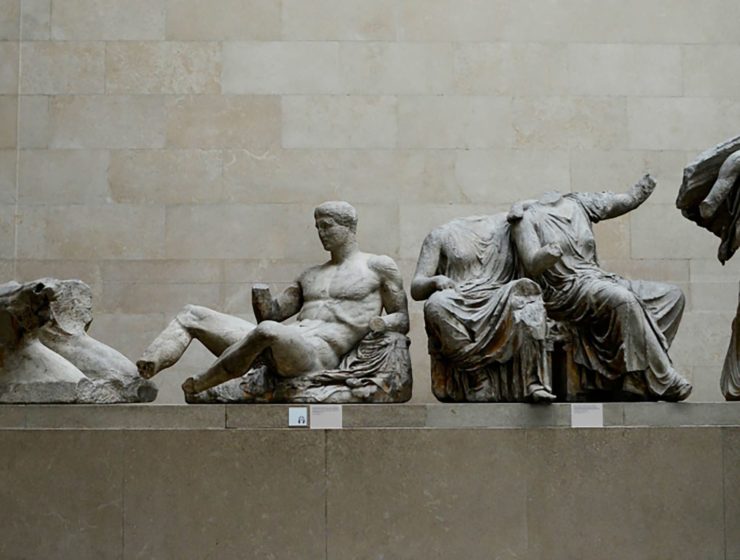
The British Museum has confirmed that the Parthenon Sculptures will remain on public display throughout its £1 billion renovation project, dashing Greek hopes that gallery closures might facilitate their return to Athens. Director Nicholas Cullinan stated that iconic objects like these must stay accessible, with plans to relocate them within the building if needed.
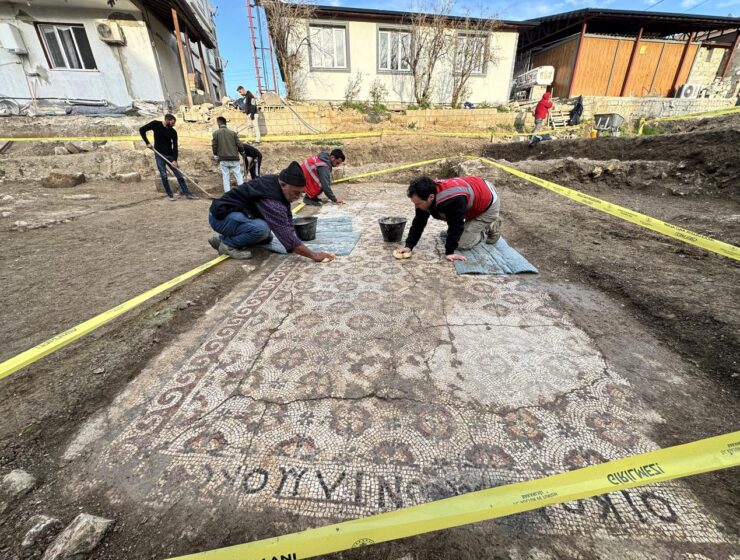
A remarkable 17.5-meter-long Late Antique floor mosaic, featuring intricate geometric patterns and a Greek inscription,…
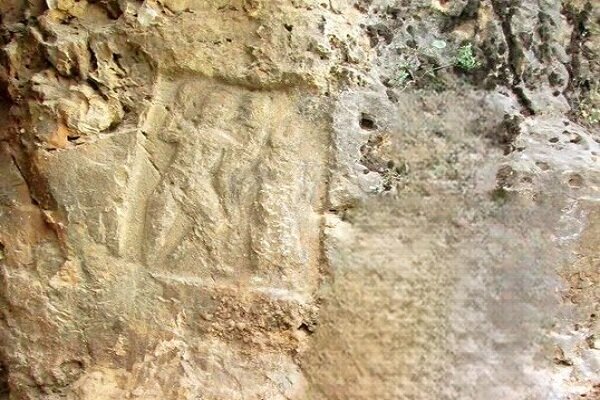
A newly discovered Elymaean rock carving in southwest Iran is drawing scholarly attention for its unique iconography and possible parallels with the Hercules–Hydra motif known from 4th century BC Greek coinage.
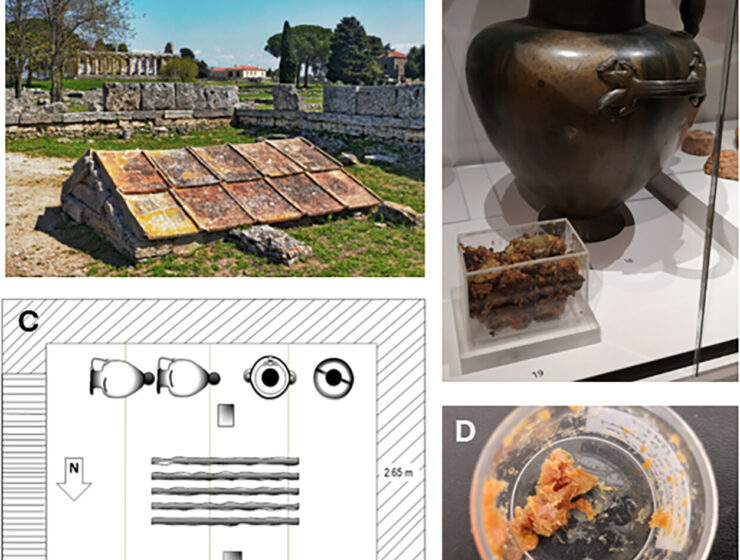
A sticky residue discovered inside bronze jars at an ancient Greek shrine in southern Italy…

Thessaloniki, Greece – December 13, 2025 Excavations for the Thessaloniki Metro have uncovered well-preserved sections…
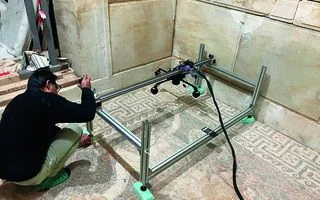
Researchers launch AmphiPoly, a €660,000 project to digitally restore the original colors and iconography of the Kasta Tumulus in Amphipolis using 3D scanning, photogrammetry, and AI, while creating immersive VR experiences.
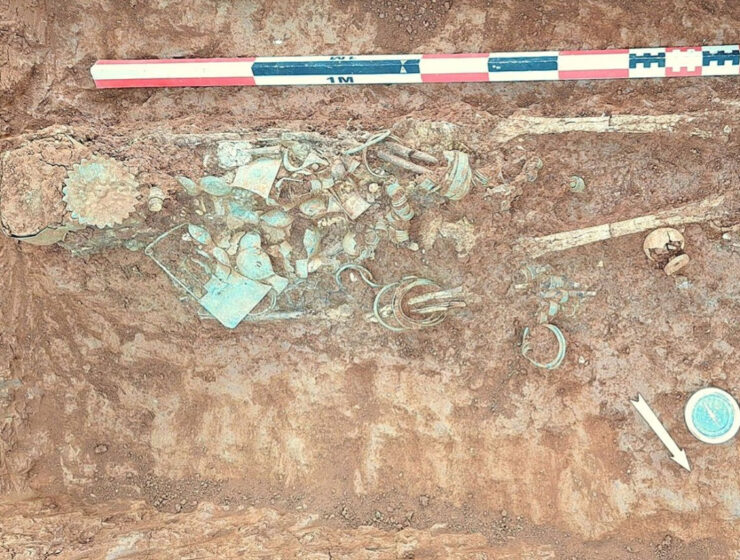
A young aristocratic woman buried in 7th-century BCE Boeotia wearing her bronze diadem upside down — lions facing the sky as a sign of fallen status. One of 2025’s most poignant Greek discoveries.
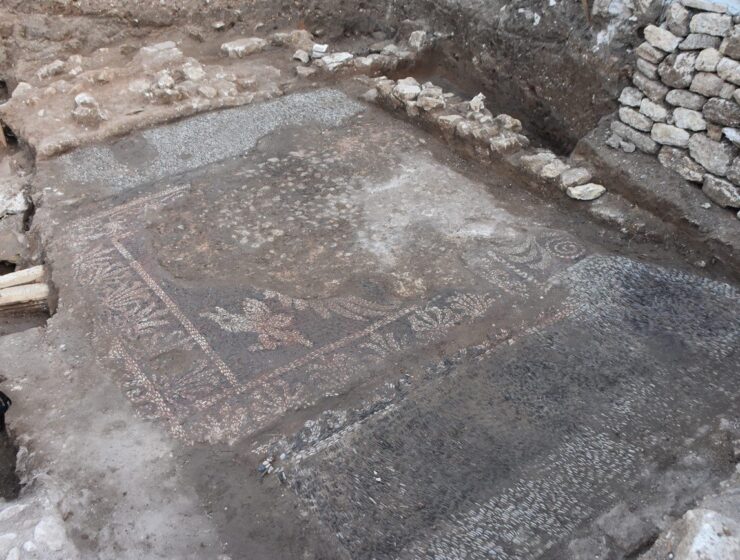
From Hellenistic dining-room mosaics to 1,600-year-old Byzantine floors, Sinop’s ancient mosaics at the Balatlar Complex will soon be accessible to the public via a new visitor center.
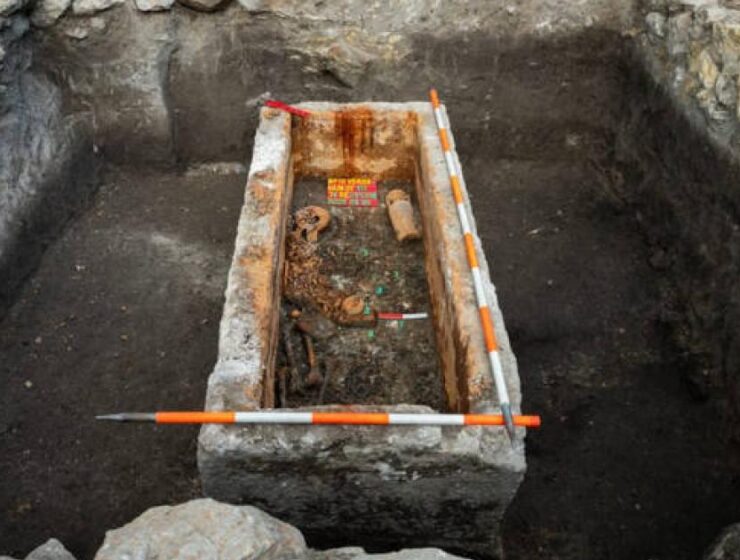
A rare discovery in Hungary reveals a sealed Roman sarcophagus containing the burial of a young woman, complete with valuable artifacts, offering new insights into ancient Roman life.
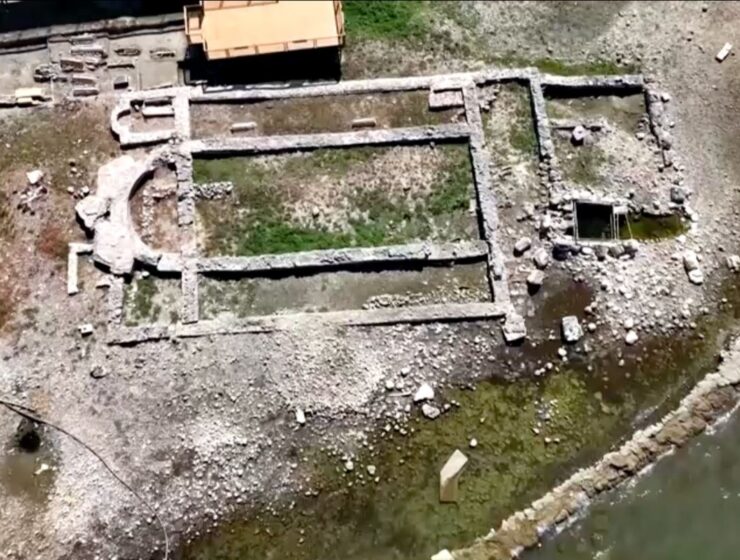
In November 2025, Pope Leo XIV visits Turkey to mark the 1,700th anniversary of the First Council of Nicaea (325 AD), the historic gathering that produced the original Nicene Creed. The pope will pray at the submerged ruins of the Basilica of Saint Neophytos in İznik, a site linked to the council, and honor the shared Christian heritage at locations tied to both the First and Seventh Ecumenical Councils.
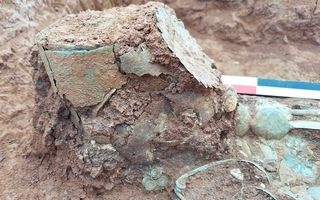
An Archaic-era cemetery belonging to a wealthy landowning elite has been uncovered in Viotia, featuring the remarkable “Lady with the upside-down diadem” – a late 7th-century BC burial with a rare bronze crown deliberately placed inverted, alongside rich jewelry and offerings.
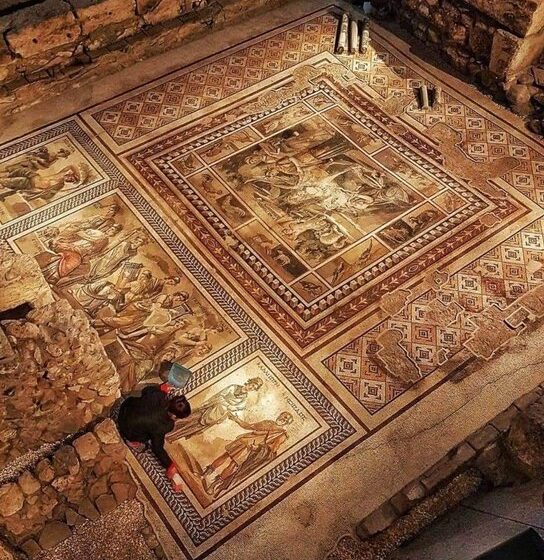
A Turkish diplomat’s viral tweet dismissing Greece’s ancient legacy in Anatolia has unleashed a storm of backlash, highlighting deep-rooted historical tensions. From Byzantine mosaics to Ottoman myths, discover how one quip exposed centuries of cultural erasure.
