
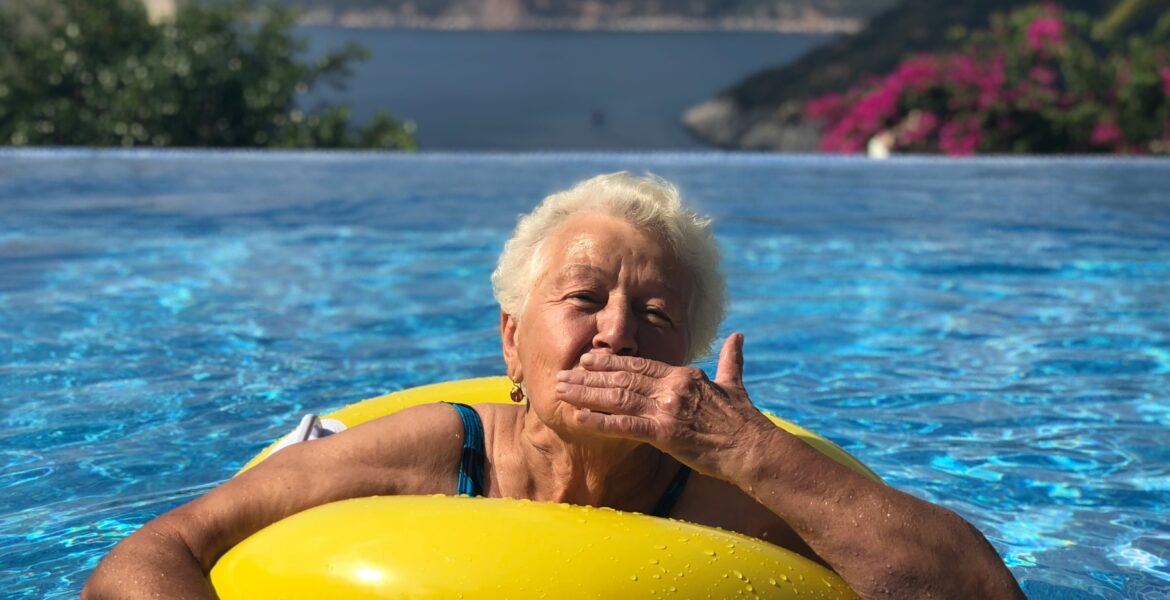
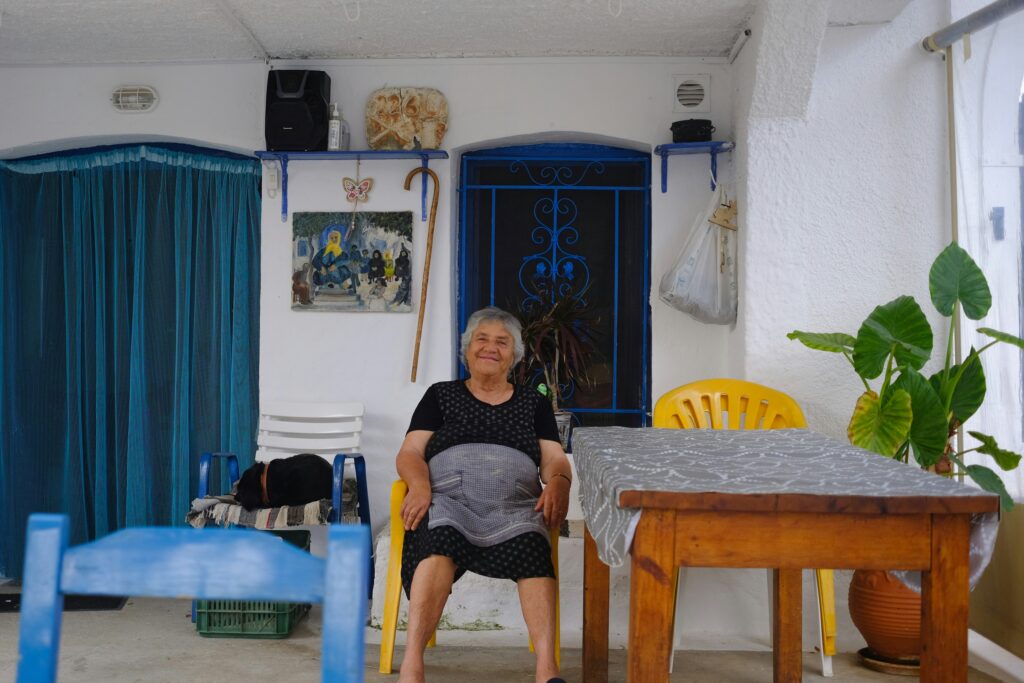
Forget overpriced adaptogenic powders and $20 green juices — the real wellness gurus? They’ve been sipping mountain tea, foraging wild greens, and walking uphill in slippers since before it was trendy. Enter: the Greek yiayia.
These matriarchs of Mediterranean life have long known the secrets to good health, longevity, and balance. While modern wellness influencers rack up followers with turmeric lattes and sound baths, Greek grandmothers have been quietly living the good life, one spoon of olive oil at a time.
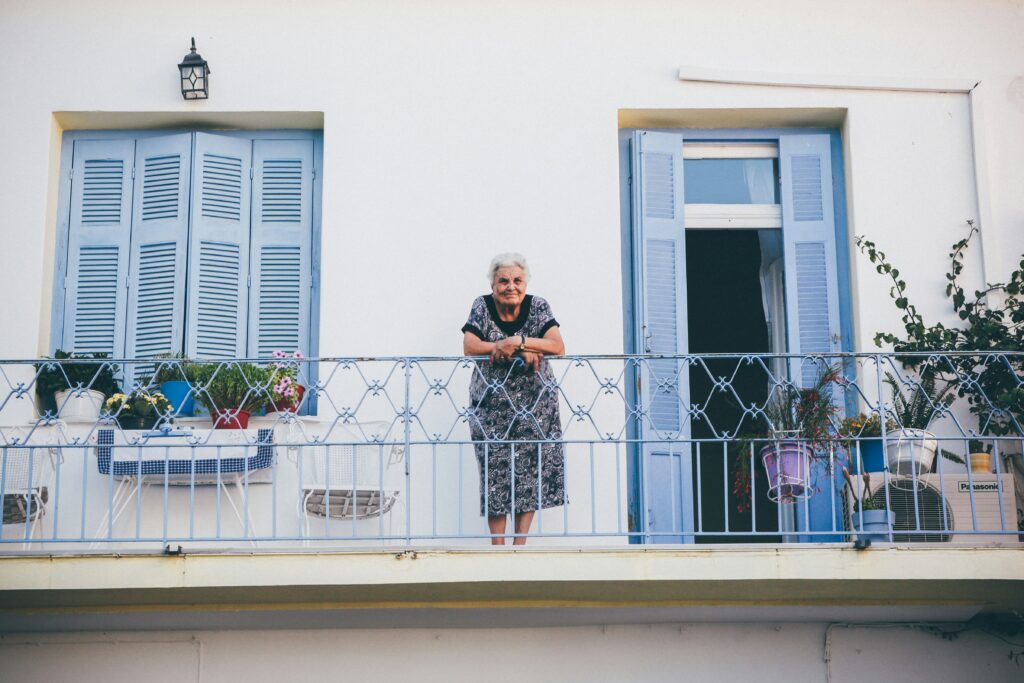
Herbal Wisdom Before Whole Foods
For every ailment, there is a plant, a poultice, or a pot of steaming tea. Yiayias were always intuitive herbalists, and science is finally catching up.
If you had a sore throat, it was honey, lemon, and a spoon of olive oil — end of story
- Tsai tou vounou (mountain tea), made from sideritis plant, is rich in antioxidants and shown in studies to support immune function and cognitive health.
- Chamomile calms nerves and aids digestion. A German study confirmed its efficacy in reducing anxiety and promoting sleep.
- Oregano tea is used for bloating and respiratory infections — its oil has been found to have antimicrobial properties.
- Dittany of Crete (diktamos), an endemic herb, has historically been used for wound healing and stomach complaints.
- Fennel seeds, often chewed or brewed, aid digestion and reduce colic.
The Mediterranean Diet: A Way of Life
Nutritionists hail it as the healthiest diet in the world. Yiayias call it lunch.
A typical day in a Greek village might include lentils, garden tomatoes, wild dandelion greens (horta), a slab of feta, and generous drizzles of extra virgin olive oil. Olive oil, rich in monounsaturated fats and polyphenols, has been linked to reduced risk of cardiovascular disease and stroke, as shown in the PREDIMED study.
Olive oil's role in brain health is also gaining attention. A 2024 study in JAMA Network Open found that individuals consuming more than 7 grams (about half a tablespoon) of olive oil daily had a 28% lower risk of dying from dementia. Researchers suggest this is due to olive oil’s rich content of polyphenols, which combat oxidative stress and support cognitive function. These findings align with traditional Greek diets, where olive oil is consumed liberally and often as the main fat source.
Beyond olive oil, the traditional Mediterranean diet includes seasonal vegetables, legumes, whole grains, moderate amounts of dairy (especially yogurt and cheese), herbs, nuts, and fish. Red meat is consumed sparingly. Meals are often shared, slow, and deeply connected to social rituals — which has its own health benefits, too.
Meat is minimal, seasonal eating is key, and fasting — a cultural and religious tradition — naturally aligns with intermittent fasting trends.
Movement Without a Gym
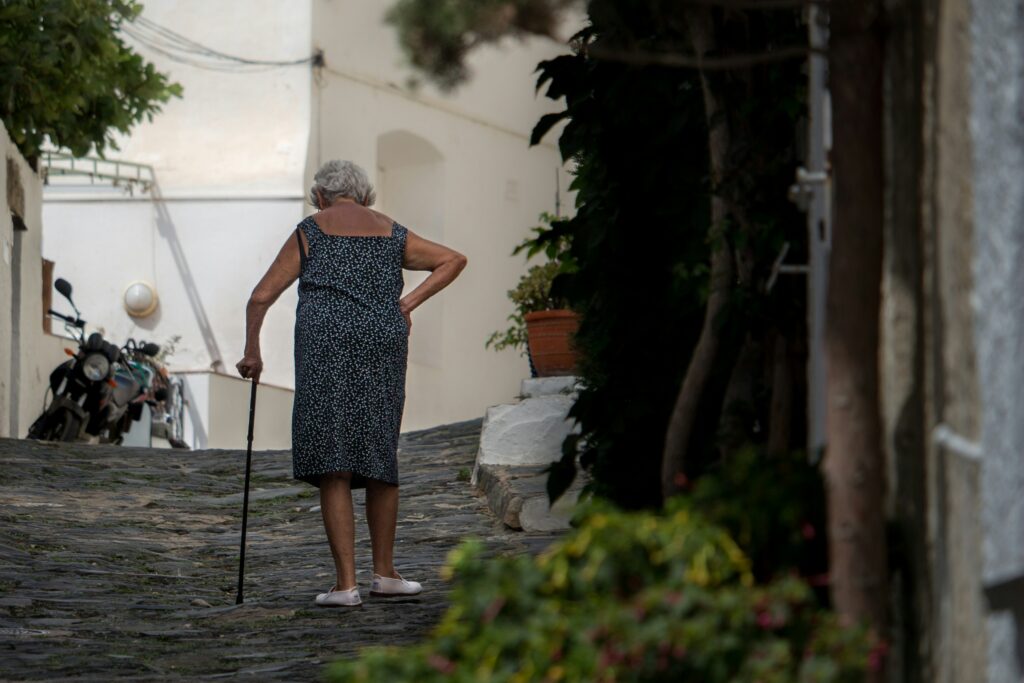
Who needs a gym membership when you’re hauling buckets of water, sweeping patios, and walking up hills to buy bread? Greek grandmothers have long understood the power of daily movement.
You think SoulCycle is tough? Try chasing chickens in the mountains.
In Ikaria — one of the world's five Blue Zones, regions known for exceptional longevity — there are no traffic lights, and many villages are car-free. Daily movement is part of life, from tending gardens to walking steep hills for errands or social visits.
Many still grow their own produce, hang their own washing, and walk kilometres a day. And don't forget the dancing — no Greek festival is complete without a line of yiayias leading the kalamatiano.
Wellness Beyond the Physical
Yiayias also have emotional resilience in spades. Community, connection, and purpose are their pillars of mental health.
- Sunday church? A mindfulness session.
- Prayer? A daily gratitude practice.
- Coffee with friends? Group therapy.
- Looking after grandchildren? A sense of purpose.
Afternoon naps, or mesimeri, are routine in many villages and have been associated with reduced stress and improved heart health in several Mediterranean studies.
Our grandmothers lived through war, hardship, and migration. And yet, they keep going, smiling, and offering homemade biscuits to anyone who walks through the door.
Wellness Through Superstition
For many yiayias, wellness isn’t just about herbs and food — it’s also about protecting the soul and keeping bad energy at bay. These folk traditions and superstitions, passed down through generations, offer a window into how yiayias view holistic health.
- The mati (evil eye): Yiayias often keep blue glass charms around the house, sew them into baby clothes, or pin them onto guests to ward off envy and misfortune.
- Garlic: Hung near the door or carried in a pocket to protect against bad luck and the evil eye.
- Spitting (symbolic or real): A classic response to a compliment — "ftou ftou ftou" — to prevent jealousy or curses.
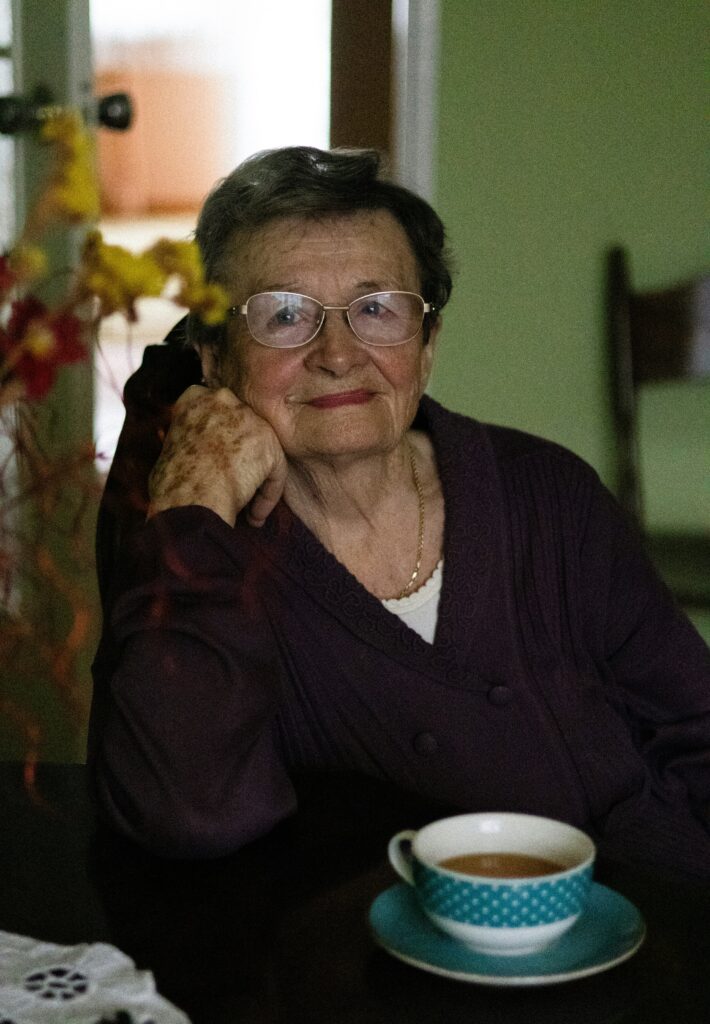
- Coffee cup reading (kafemanteia): After finishing a Greek coffee, yiayias flip the cup, let it dry, and read the patterns to offer guidance, advice, or warnings.
- Burning incense: A common practice in the home, especially when someone is ill or when a blessing is needed.
- Knocking on wood: Used to avert bad luck after speaking of a misfortune.
- Sneezing beliefs: One sneeze means someone’s talking about you; two is a warning — often followed by a yiayia’s knowing glance.
While modern science doesn’t support these practices, they form part of the cultural fabric of Greek homes — rituals that bring comfort, continuity, and connection to something larger than oneself.
Beauty Secrets in the Kitchen
Before beauty counters and influencer endorsements, yiayias used what they had:
- Olive oil for skin and hair — a natural moisturiser packed with antioxidants
- Chamomile rinse for blonde highlights
- Yoghurt masks for sunburn — its lactic acid soothes and cools skin
They age slowly and gracefully, without serums or surgery. Just sunshine, movement, and a diet rich in natural nutrients.
The Original Wellness Influencers
Greek yia yias didn’t invent wellness — but they might have perfected it. Their lifestyle, born of necessity and wisdom, aligns with nearly every modern health trend. Yet they don’t need apps or online courses. They just live simply, naturally, and with meaning.
So the next time you’re tempted to drop $50 on collagen powder or sign up for a silent retreat, ask yourself: what would yiayia do?
Read also Angie K: The Real Housewife Who’s “Greek For Life Baby!”
Stay updated with the latest news from Greece and around the world on greekcitytimes.com.
Contact our newsroom to share your updates, stories, photos, or videos. Follow GCT on Google News and Apple News.

