

The yoghurt aisle has become one of the busiest corners of the supermarket. What once was a simple choice between plain or vanilla has turned into shelves of tubs promising protein, probiotics, low sugar, reduced fat, Greek-style, natural, pot-set and every combination in between. For many Greeks who grew up with the quiet certainty of a clay pot of strained yoghurt sitting in the fridge, the modern yoghurt landscape can feel strangely complicated.
Yet the renewed interest in yoghurt is not surprising. Greek yoghurt in particular has become a global staple, praised for its nutritional profile and its connection to the Mediterranean way of eating. The challenge is knowing which products still reflect that heritage, and which ones only borrow the name.
Greek Yoghurt
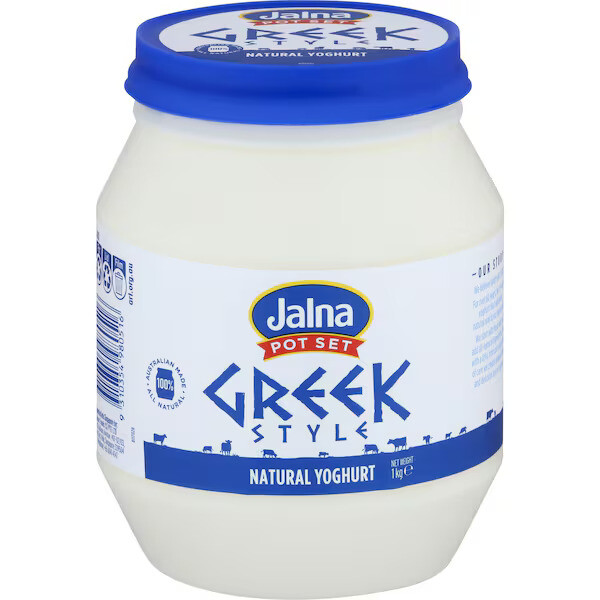
At its heart, true Greek yoghurt is remarkably simple. It is made by straining yoghurt to remove the liquid whey, leaving a thick, tangy and naturally creamy texture. That single step changes its nutrition in meaningful ways. Strained yoghurt contains considerably more protein than regular varieties, along with lower levels of lactose and fewer carbohydrates. Studies published in recent years have highlighted this combination as beneficial for stabilising blood sugar, supporting muscle maintenance and promoting satiety. It is one of the reasons yoghurt appears so frequently in research examining the Mediterranean diet and its impact on long-term health.
Greek-style Yoghurt
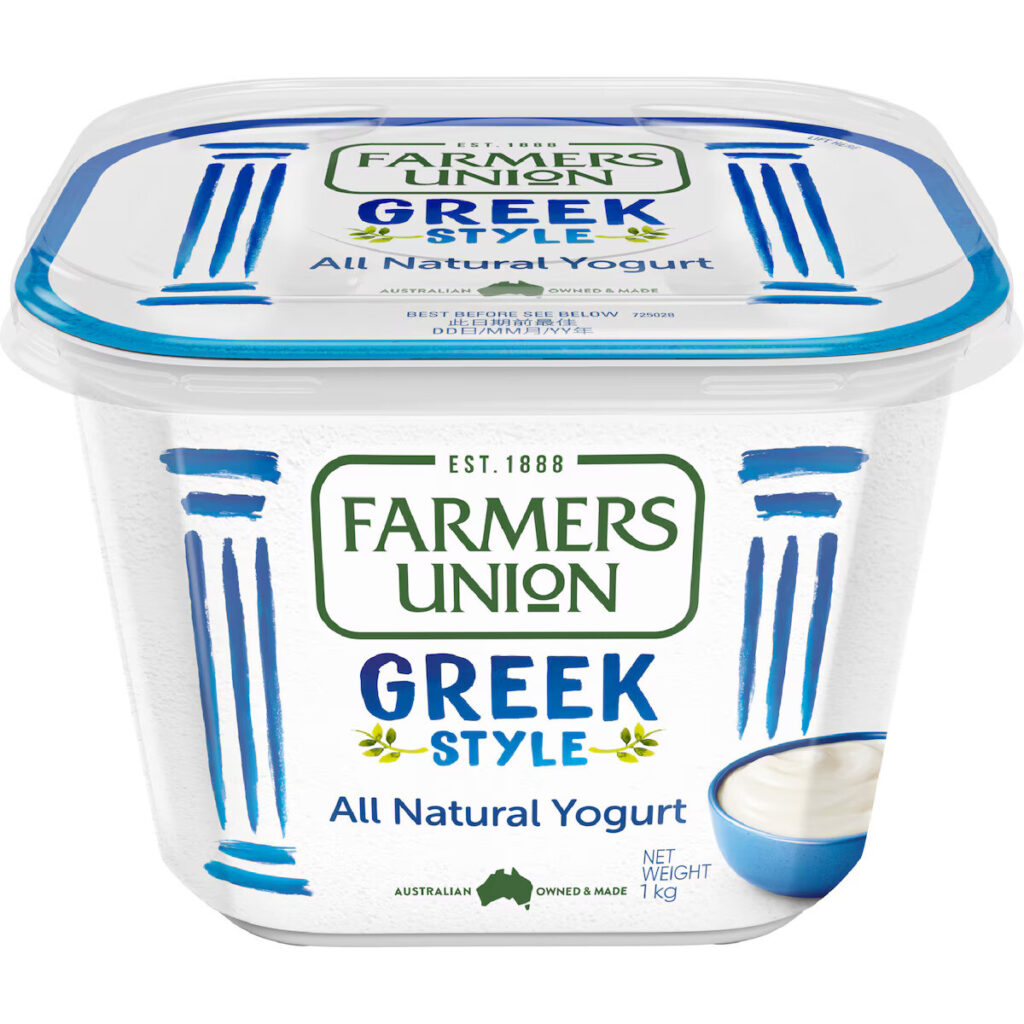
Greek-style yoghurt, however, is where things begin to blur. The term is often used for products that mimic the texture of strained yoghurt without undergoing the same process. Manufacturers may add milk solids, cream or thickening agents to achieve a similar richness. These versions are not necessarily unhealthy, but they do not offer the same concentrated protein or simplicity of ingredients that define the traditional method. For shoppers outside Greece, the distinction matters, especially when labels can be confusing.
Low-Fat and Fat-Free Yoghurt
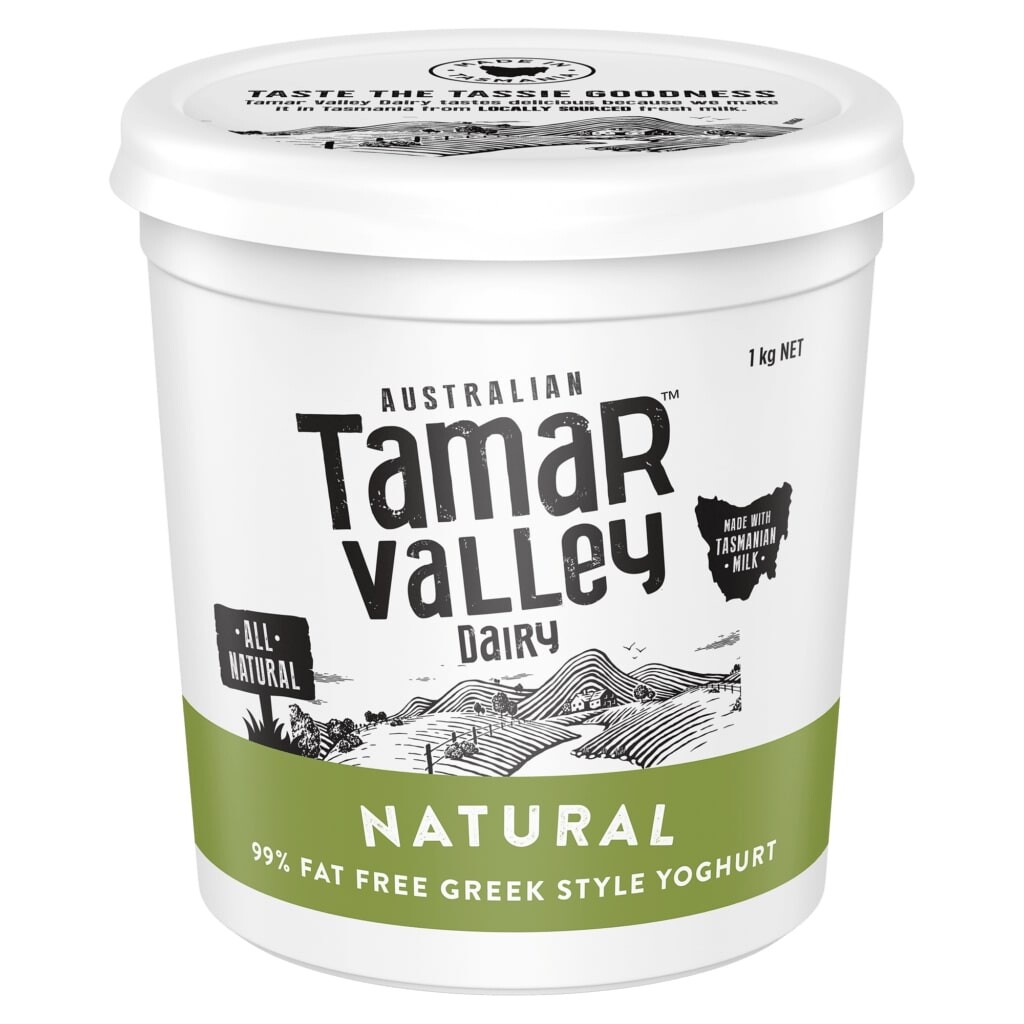
There is also a growing interest in low-fat and fat-free yoghurts. They have their place, particularly for individuals managing cholesterol or heart concerns, but the assumption that low-fat automatically means healthier is outdated. Removing fat can lead to higher sugar levels or the addition of stabilisers to improve texture. Dietitians increasingly remind consumers that the fats found naturally in dairy, especially in fermented foods, behave differently to the fats found in processed snacks. For many people, a natural full-fat strained yoghurt remains a balanced choice.
Flavoured Yoghurt
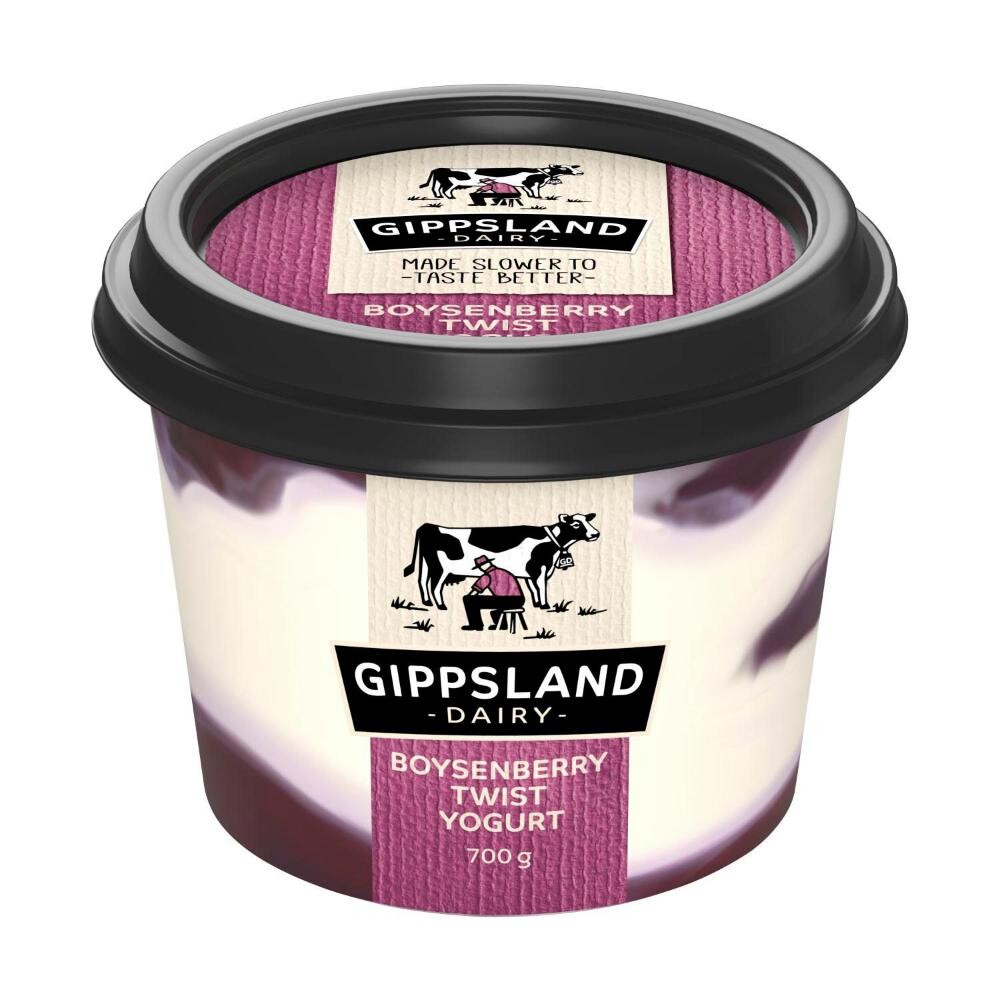
Flavoured yoghurts, which often dominate supermarket displays, present another challenge. While they are popular, especially among children, they frequently contain significant amounts of added sugar. Some varieties contain more sugar per serving than a dessert. From a Mediterranean point of view, the easier and healthier option is to buy plain yoghurt and add sweetness through fruit, walnuts, cinnamon or a light drizzle of honey. It keeps the profile clean while honouring the way yoghurt is eaten across Greece.
High-Protein Yoghurt
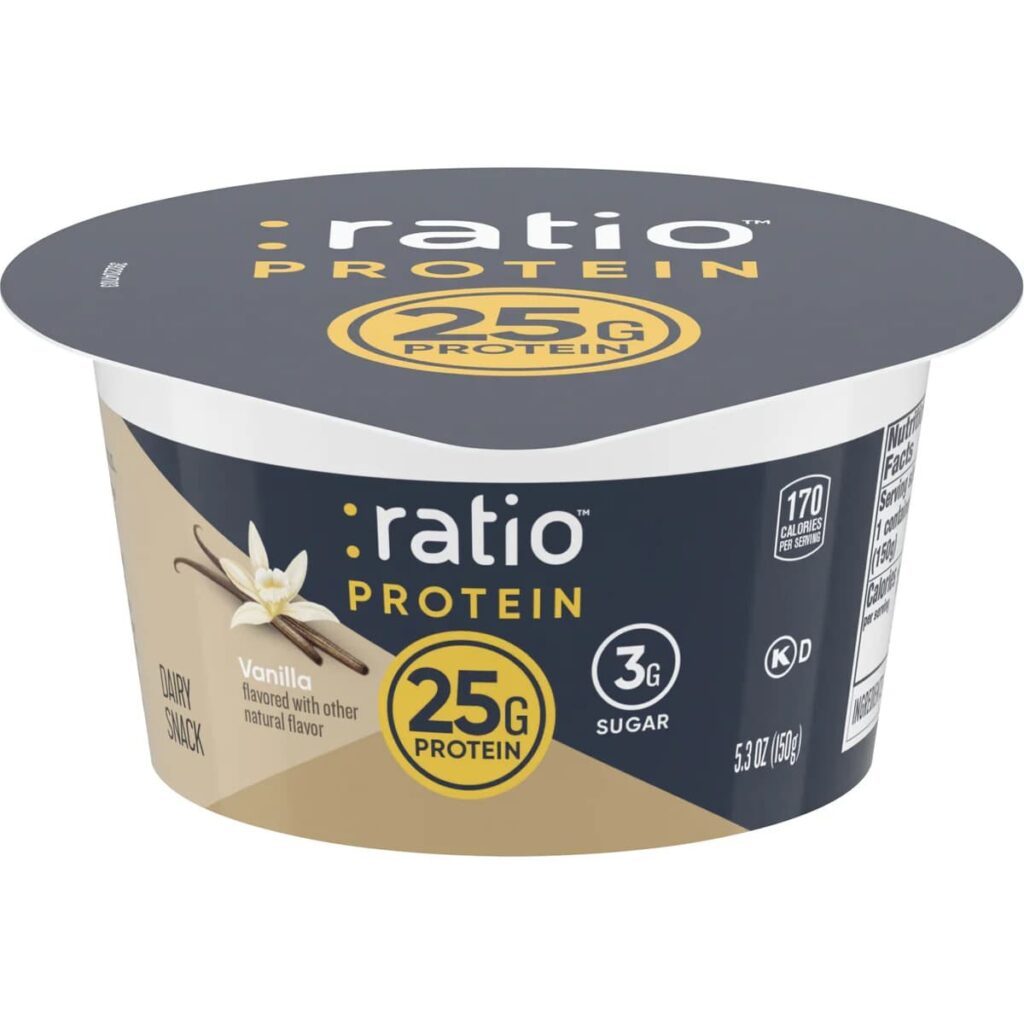
High-protein yoghurts marketed to gym-goers and older adults have their merits, particularly for people with increased protein needs. Although they often use stevia-based sweeteners and stabilisers to maintain consistency, they can be a convenient way to boost protein intake when used thoughtfully. Research into ageing emphasises the importance of adequate protein for maintaining muscle mass, which makes these products useful for some groups. Still, strained Greek yoghurt offers many of the same advantages with fewer additives.
Lactose-Free Yoghurt

Lactose-free yoghurts have also come a long way. Many people who struggle with dairy assume they must avoid yoghurt entirely, yet the straining process naturally reduces lactose content. Some Greek-style and high-protein yoghurts are lactose-free because they use added lactase enzymes. They offer almost identical nutritional value without discomfort for those who need gentler digestion.
Plant-Based Yoghurt

Plant-based yoghurts, especially coconut varieties, fill a necessary gap for vegans and those with dairy allergies. They have a pleasant flavour but cannot replicate the protein and calcium content found in Greek yoghurt unless they are fortified. Saturated fat levels can also be higher. These yoghurts have their place, but they sit outside the traditional Mediterranean pattern.

What modern research consistently shows is that yoghurt is most beneficial when it is plain, fermented and minimally processed. Several recent studies link regular yoghurt consumption with modest improvements in metabolic health and cardiovascular markers. Fermented dairy foods appear to support the gut microbiome, and high-protein varieties contribute meaningfully to feelings of fullness and long-term weight regulation. One 2025 meta-analysis did note that yoghurt alone should not be considered a singular defence against fractures or bone loss, but it remains a valuable part of a balanced diet when paired with other Mediterranean staples such as greens, legumes, fish and olive oil.
For Greeks, these findings simply validate what many families have always known. Yoghurt is most powerful when it is part of everyday life rather than a trend. A generous spoonful alongside lentils. A dollop with briam or roasted vegetables. A quiet breakfast of yoghurt, honey and walnuts. A cooling counterbalance to grilled meats. These traditions are not only delicious, they align closely with what nutrition science now recognises as a strong, sustainable pattern of eating.
Choosing yoghurt today requires more attention than it once did, but the principles remain clear. Look for the shortest ingredient list. Choose strained over thickened when possible. Favour plain over flavoured. Trust products that reflect the simplicity of their origins. In doing so, you are not just choosing a healthier yoghurt. You are reconnecting with a Mediterranean food philosophy that values balance, minimal processing and the quiet confidence of foods that have stood the test of time.
Read also Athens Edges Up the Global Rankings as the City Redefines Itself
Stay updated with the latest news from Greece and around the world on greekcitytimes.com.
Contact our newsroom to share your updates, stories, photos, or videos. Follow GCT on Google News and Apple News.

