
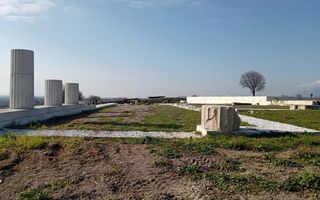
The archaeological site of the Palace of Pella, birthplace and childhood home of Alexander the Great, has officially opened to visitors in December 2025 after extensive restoration. This vast complex, once the political heart of ancient Macedonia, now features a new visitor center and coincides with the display of newly conserved Hellenistic marble statues at the nearby museum.
Tag: archaeological site

Two drunk Polish tourists illegally entered Delphi’s archaeological site, stole an ancient stone slab, and assaulted a guard while fleeing in a rental car. The artifact remains missing.

The Ministry of Culture is completing a major flood-prevention project at the Dion archaeological site,…

The Ministry of Culture is restoring the Mycenaean wall on the eastern side of the Acropolis, opening it to visitors for the first time. Scheduled for completion in 2026, the project highlights one of the best-preserved prehistoric fortifications of Athens and introduces a new visitor route near the Old Acropolis Museum.

A tourist’s viral photo, irreverently posing with an ancient marble slab at Naxos’ Temple of Apollo (Portara), has sparked outrage and calls for stronger security measures at the historic site.

The Greek Ministry of Culture has launched a vital restoration project for the Sanctuary of the Great Gods on Samothrace, a revered ancient site dedicated to mysterious deities since the 7th century BCE. Funded by the ESPA 2021-2027 program, the initiative aims to repair flood damage from 2017 and protect the site with new bridges, stabilized streams, and enhanced visitor facilities, ensuring the preservation of this unique archaeological treasure.
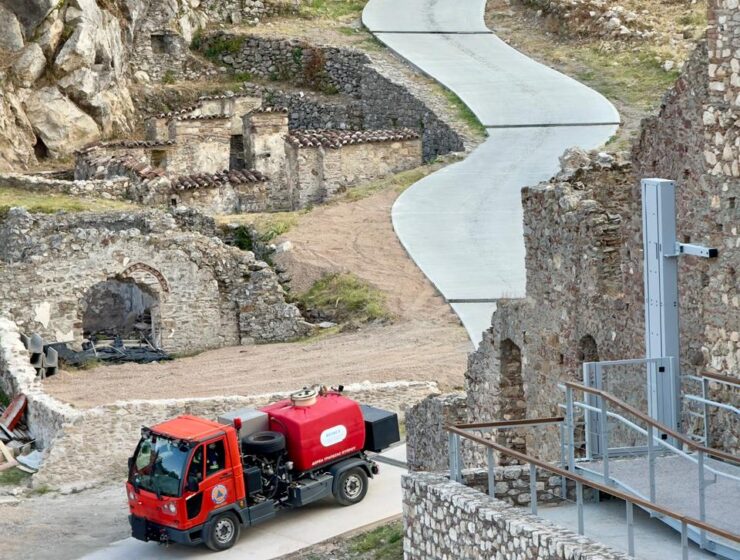
Greece conducted a major wildfire preparedness drill, “PERIVLEPTOS 2025,” at the historic Archaeological Site of Mystras, aiming to test emergency response systems and evacuation procedures. The exercise, attended by Ministers Lina Mendoni and Yiannis Kefalogiannis, highlights growing efforts to protect cultural heritage sites from the escalating threat of forest fires.

The Greek Ministry of Culture is restoring the Basilica I Complex at the UNESCO World Heritage site of Philippi, northern Greece, with a €1.8 million project funded by the Eastern Macedonia-Thrace Regional Operational Program. The effort focuses on preserving the 6,800-square-meter complex, including its ancient baptistery, while enhancing safety and accessibility. A €2.5 million fire protection system is also being implemented to safeguard the site.

Two historic bastions at Patra Castle, a Venetian southwestern rampart and an Ottoman southeastern one, were opened to the public after restoration. These 15th-century structures highlight a shift in fortress design. The €1.2 million project, funded by the National Strategic Reference Framework and Recovery Fund, enhances cultural tourism in Western Greece.

The Ephorate of Antiquities of Heraklion completed the removal of fragments from a 1960 replica of the Dolphins Fresco at Knossos, detached due to strong winds. Restoration studies are ready, with work soon to begin under Crete’s ESPA 2021-2027 funding.
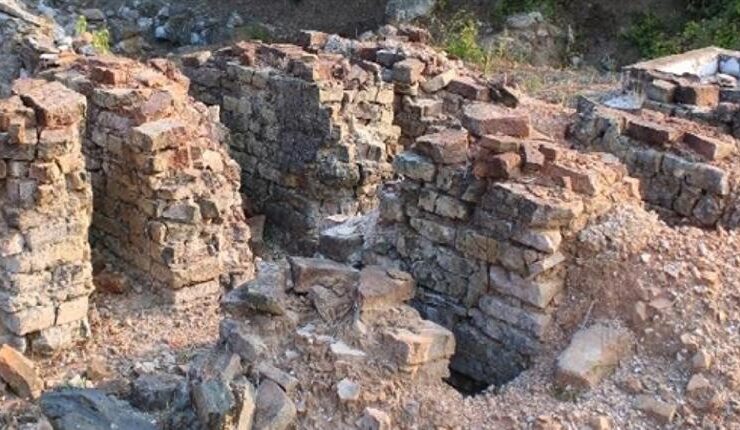
The Hellenic Ministry of Culture is advancing the restoration and enhancement of the Agora complex…
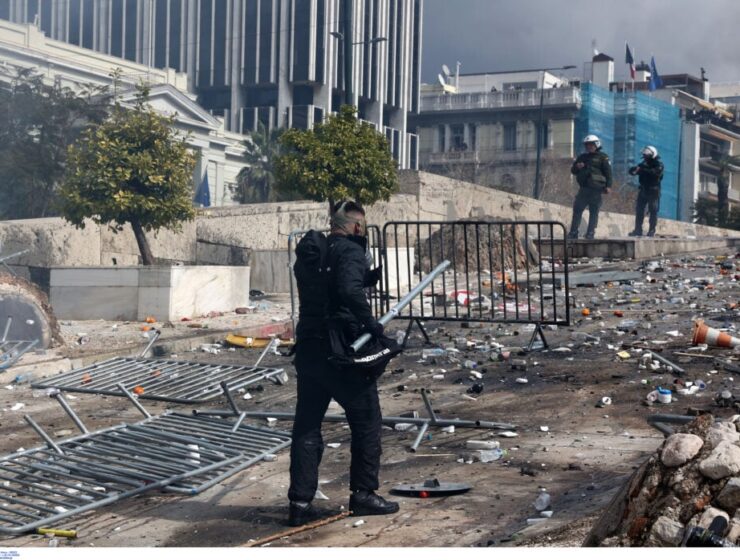
Significant damage occurred at the archaeological site of the Temple of Olympian Zeus and the ODAP sales outlet at Louloudadika during a rally in Athens on February 28, marking the two-year anniversary of the Tempi railway disaster. Marble from the ancient temple was broken and display cases were vandalized, but authorities quickly initiated repairs, ensuring public safety and continuing operations.
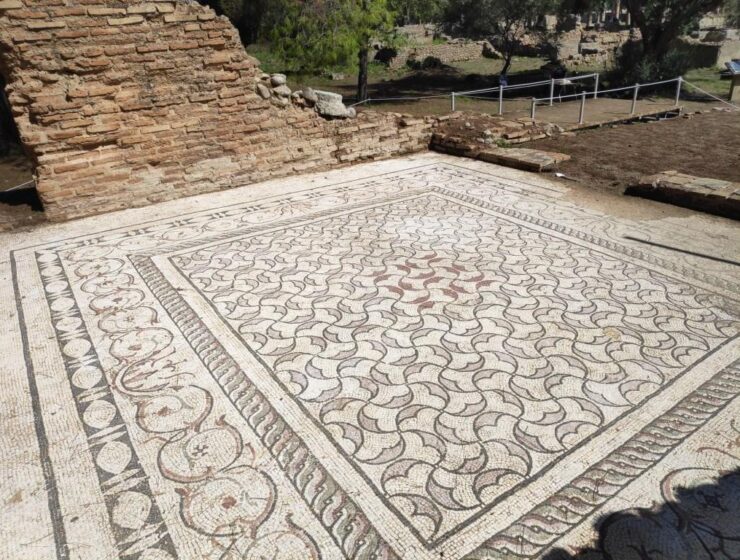
The Ministry of Culture is progressing with a restoration initiative at Ancient Olympia to enhance Roman-era structures, including the Cladeus Bath complex. This project aims to integrate these monuments into the accessible archaeological site, offering visitors a broader historical perspective.

Recent excavations in Philippi have revealed impressive findings that shed light on the “secrets” of the ancient city. Among the discoveries are a large public building, public baths, workshops, and residences, offering new insights into the city’s historical significance and continued habitation through the centuries.

The Ministry of Culture, through the Ephorate of Antiquities of Trikala, is undertaking critical restoration and maintenance of the western arm and northwestern tower of the acropolis at Ancient Pelinna. This project aims to preserve the ancient site, enhance its visibility, and ensure its accessibility to the public, revealing valuable insights into its role during the Classical and Hellenistic periods.

A recent discovery in Greece has uncovered a collection of ancient jars believed to have…

The Hellenic Republic Asset Development Fund (HRADF) has announced a tender for the development of Possidi Beach on the Kassandra Peninsula. The 12.9-hectare site, which includes a 620-meter beachfront and camping facilities, is located near popular tourist destinations and the Sanctuary of Poseidon. The property offers potential for luxury hotels, holiday homes, and leisure facilities, with a 99-year concession for the successful bidder.

Prime Minister Kyriakos Mitsotakis will inaugurate the new lighting of the Temple of Poseidon at Cape Sounion tonight, highlighting the monument’s architectural significance with a design by Eleftheria Deko. The ceremony will conclude with a concert by renowned Greek composer Stavros Xarchakos, celebrating Greece’s cultural heritage.
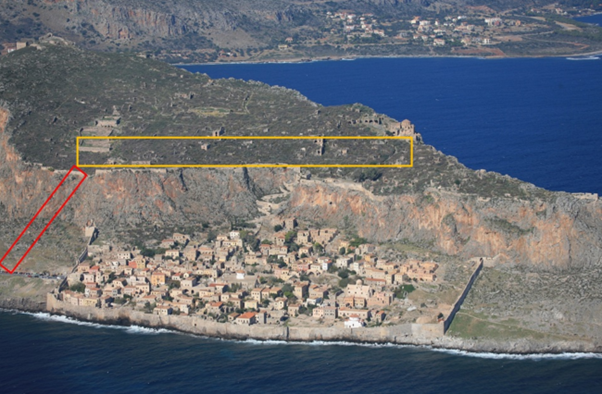
The Hellenic Ministry of Culture is enhancing accessibility to Monemvasia’s historic Upper Town with a new aerial lift and walking routes. This €6.8 million project, part of a broader initiative to make cultural sites accessible to all, will connect key Byzantine landmarks like the Church of Agia Sophia, improving visitor access and safety while preserving the area’s heritage.

Due to the scorching heatwave gripping Athens, Greece’s most famous landmark will be closed to visitors from noon to 5 pm today. The Ministry of Culture is prioritising visitor safety during the high temperatures.
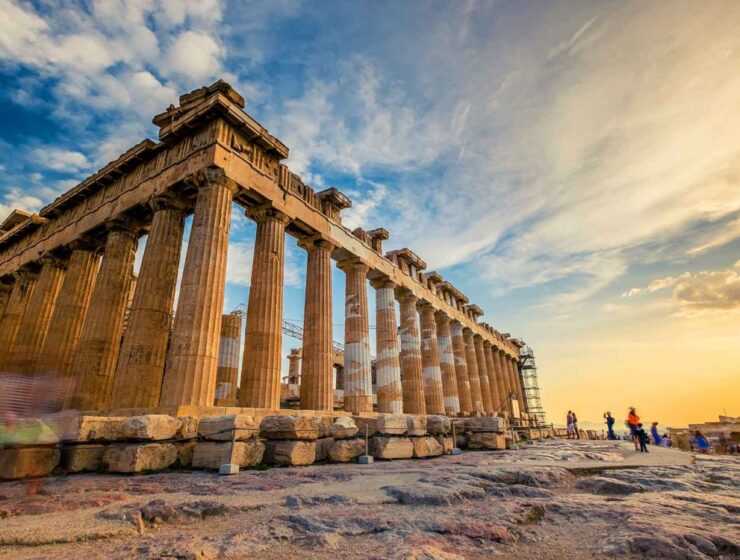
Acropolis, Athens, Greece, private tour, tourism, luxury travel, cultural heritage, VIP experience, guided tour, Ministry of Culture, archaeological site, Museum of Modern Greek Culture
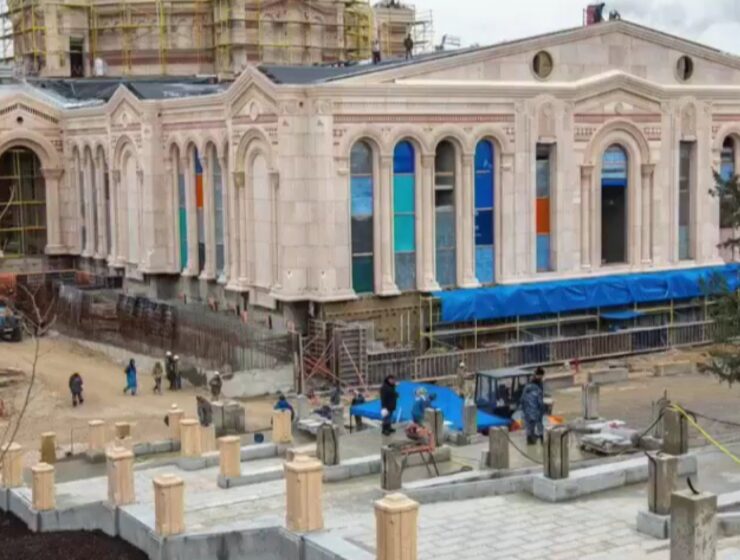
Russia has destroyed the Chersonesos Taurica in Crimea, a UNESCO World Heritage site of historical significance. According to Evelyn Kravchenko, a senior researcher at the Institute of Archaeology of the National Academy of Sciences of Ukraine, Russian authorities have replaced authentic archaeological remains with a modern theater in the temporarily occupied city of Sevastopol.

Nicholas Galitzine’s Memorable Encounter at the Acropolis: Chased by a Hundred Schoolgirls In a scene…
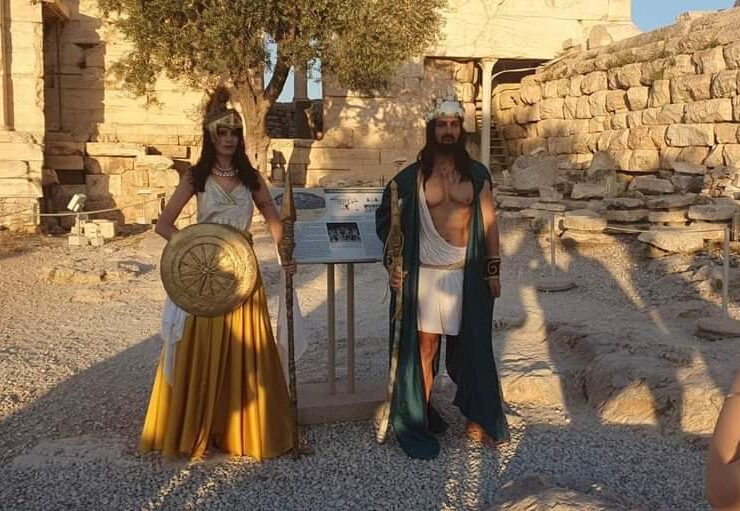
A carnival-like spectacle at the ancient Acropolis site in Athens has stirred controversy and raised…
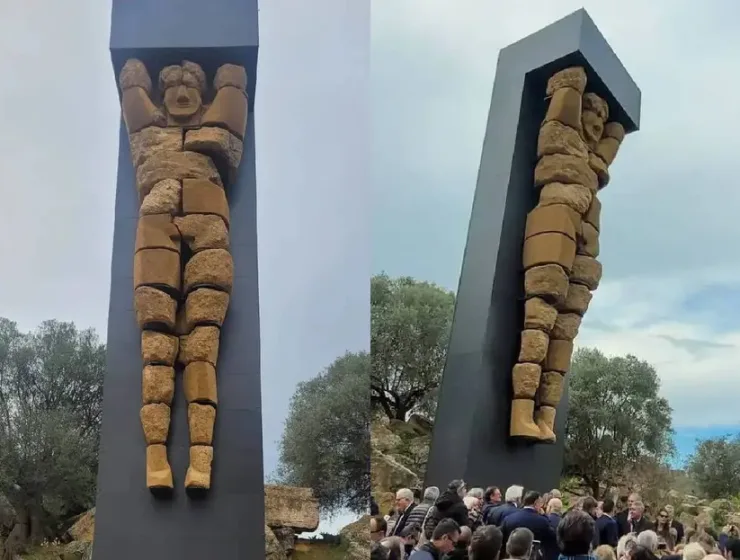
After 20 years of study, research and restoration, the telamon (Atlantean), a colossal anthropomorphic statue that supported the architrave of the temple of Olympian Zeus, the Olympion, symbol of the Valley of the Temples, has been returned to its vertical position.
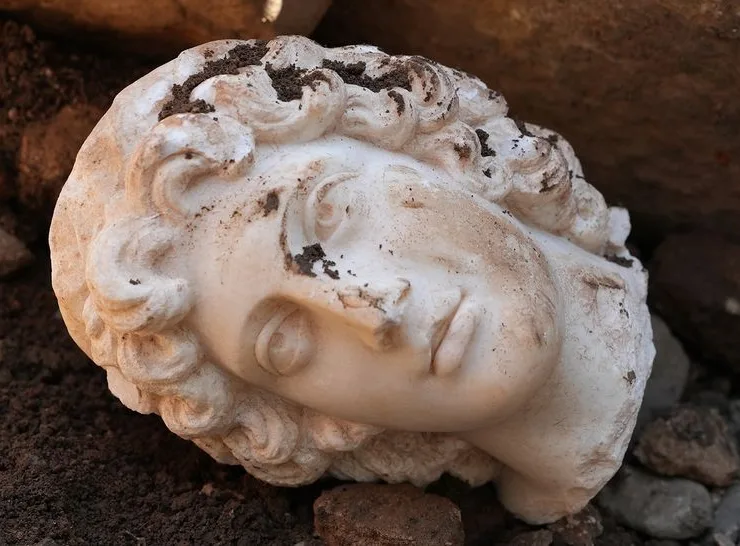
A remarkable discovery in Turkey has unveiled a marble head of Alexander the Great, the renowned ancient ruler, with a distinctive lion’s mane hairstyle.
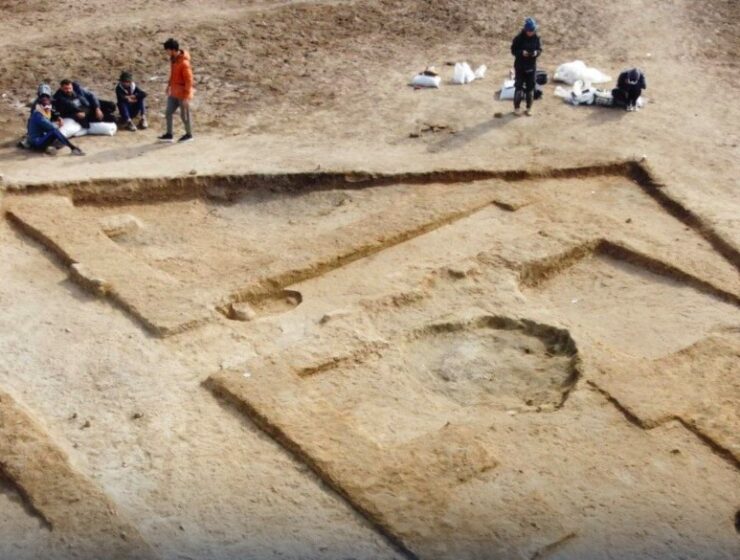
A 5,000-year-old taverna has been found in Iraq – complete with an oven, a refrigerator, and dishes on the tables filled with food.
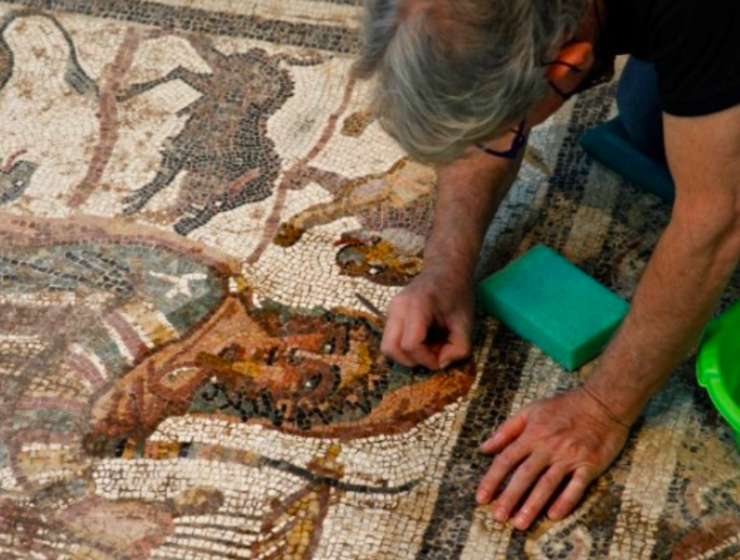
The House of Mosaics is a museum in Sparta, Greece constituting a rare architectural space housing two rare Roman floor mosaics.
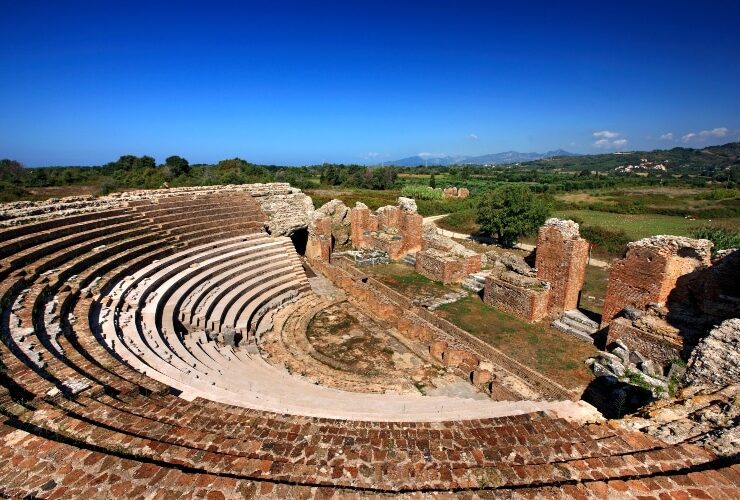
With a name that literally means ‘City of Victory’, one can only imagine the history that has been created in such a place as the city of Nikopolis in Preveza, in the region of Epirus, Greece. Covering an area of 900 hectares (approximately 14,000 acres), Nikopolis was the largest ancient city in Greece.
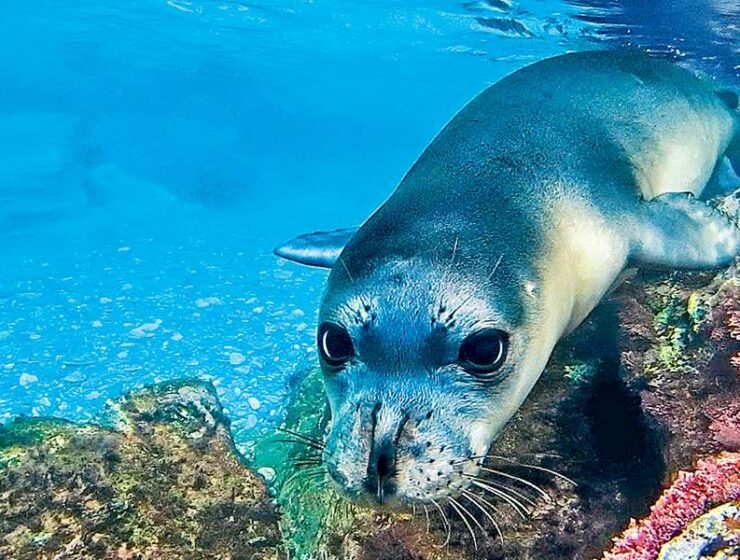
With a new underwater museum where visitors can explore the remains of a 2500-year-old shipwreck, the Alonissos Marine Park is the largest reserve of its kind in the world, a place of unspoilt natural beauty that is home to a fascinating variety of flora, fauna and marine life including the critically endangered Mediterranean monk seal.
